


















SXSW returns as a leading hub for founders, investors, and big ideas
SXSW re-emerges as a key event for founders and VCs, offering networking, insights into innovation, and startup opportunities across tech and media.
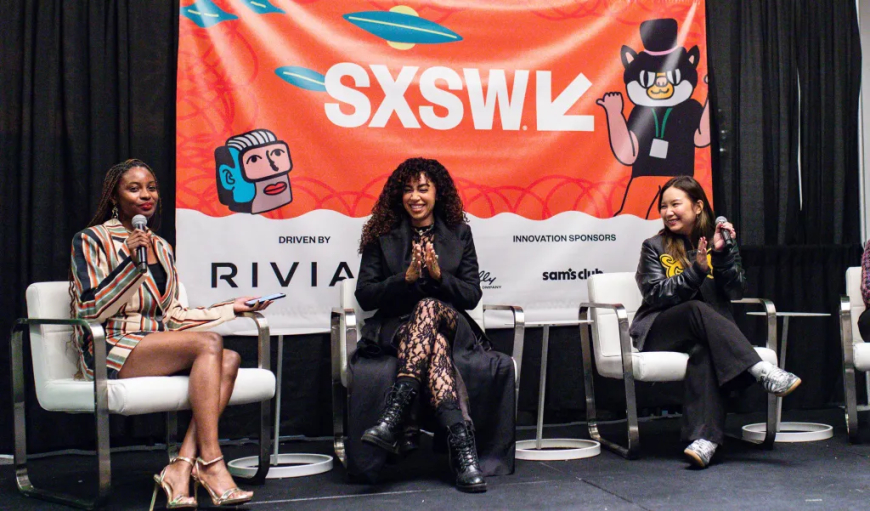
The atmosphere at this year's SXSW in Austin felt notably different, bringing back memories of earlier peak years like 2019, when crowds filled downtown streets and long lines formed outside local venues. Many attendees described a similar energy returning, even as the event itself continues to evolve.
Despite the renewed buzz, some changes were noticeable. The festival has been shortened by two days compared to previous editions and has adopted a more decentralised format. With the Austin Convention Centre undergoing demolition, events and panels were spread across multiple locations throughout the city. While this reduced the sense of overcrowding, it also made the experience feel less centralised and, at times, less cohesive.
The event is still in recovery mode following the pandemic, during which it faced financial challenges, including layoffs and two years of limited revenue. Since then, SXSW has changed hands and adopted a revised strategy to reshape its identity and reach.
Greg Rosenbaum, senior vice president of programming, described the 40th anniversary edition as the festival's most ambitious reinvention to date. One of the new additions, Clubhouses, served as hubs for networking, relaxation, and curated programming, attracting around 5,000 attendees daily. He emphasised that the updated format allowed participants to experience more of Austin and its surrounding community.
For founders and investors, the value of SXSW remains intact. Many attendees stressed that the experience depends heavily on preparation and participation. The event continues to offer opportunities for networking, collaboration, and exposure, but those benefits are often unlocked through intentional engagement rather than passive attendance.
The festival featured a wide range of programming, blending technology, entertainment, and culture. Performances by Grammy-nominated artist Lola Young, film premieres by Boots Riley, and keynote appearances by figures such as Serena Williams and Steven Spielberg highlighted the event's diversity. Panels and discussions, including those focused on AI and emerging technologies, also played a central role.
Ashley Tyrner-Dolce, an investor and founder, described SXSW as an "incredible gathering of ideas," noting that some of the most meaningful interactions took place at side events rather than official sessions. Informal gatherings, such as private parties and networking meetups, often became the most valuable spaces for connecting with other founders and executives.
Similarly, James Norman, managing partner at Black Ops VC, emphasised the importance of proximity to the right conversations. He noted that simply attending the festival without a clear strategy or network can limit the value participants derive from it.
Jonathan Sperber, a founder involved in the SXSW pitch competition, echoed this sentiment, explaining that preparation is key. His team approached the event with scheduled meetings and a defined plan, allowing them to engage effectively with enterprises and key stakeholders.
Although discussions about SXSW losing relevance have circulated for years, the event continues to attract new participants and fresh perspectives. First-time attendee Simon Davis described it as more of a media-focused conference with a strong tech component, rather than a purely technology-driven event. He also highlighted the diversity of attendees, noting the wide range of backgrounds and experiences represented.
This year also introduced a revised badging system that shaped participants' festival experience. Attendees were required to choose specific tracks, such as film, music, or technology, with access varying by badge type. Unlike previous years, cross-access between tracks was limited, meaning participants needed a premium badge — priced at around $2,000 — to access all areas.
A reservation system was also implemented to manage event attendance and reduce long lines. While this helped streamline access in some cases, it also created challenges, as popular sessions filled quickly and were difficult to attend. Some participants found the system restrictive, while others appreciated the improved organisation.
According to Rosenbaum, these changes were introduced in response to attendee feedback to simplify access and enhance the value of premium passes. He confirmed that the reservation system will return next year, with adjustments based on user feedback.
For some attendees, the evolving structure has shifted SXSW's identity. Rodney Williams, co-founder of SoLo Funds, described the festival as transitioning from an intimate discovery space into a more competitive environment driven by investor engagement and large-scale marketing efforts. He noted that companies with significant budgets now have a greater ability to stand out through high-profile activations and events.
Even with fewer large-scale displays from major tech companies, the cost of participation remains high. This shift has made it more challenging for smaller or emerging startups to gain visibility, as standing out increasingly requires substantial marketing investment.
Despite these changes, the festival continues to draw significant interest. Organisers estimated that around 300,000 people would attend this year, reinforcing its position as a major global gathering for innovation, culture, and entrepreneurship.
For many participants, SXSW still delivers a unique experience — one that blends creativity, technology, and human connection in a way few other events can replicate.
What's Your Reaction?
 Like
0
Like
0
 Dislike
0
Dislike
0
 Love
0
Love
0
 Funny
0
Funny
0
 Angry
0
Angry
0
 Sad
0
Sad
0
 Wow
0
Wow
0