





































Rising data center electricity use risks blackouts during winter storms
NERC warns that rising data centre electricity demand could strain the grid during winter storms, raising the risk of shortages and potential rolling blackouts.

The rapid expansion of data centres could threaten grid stability this winter, according to a new warning from an industry watchdog.
Electricity demand across North America is expected to rise 2.5% this winter compared to last year, reaching a total of 20 gigawatts, the North American Electric Reliability Corporation (NERC) said in a report released this week. In recent years, winter demand has increased by 1% or less, making this jump unusually sharp.
Data centres account for a significant portion of the increase, especially in regions like the mid-Atlantic, the western U.S., and the Southeast — “areas where a lot of data center development is occurring,” Mark Olson, NERC’s manager of reliability assessments, told E&E News.
The report highlights Texas in particular, noting that rapid data centre construction there is “contributing to continued risk of supply shortfalls.” That finding may be especially concerning for Texans still haunted by the massive power outages nearly five years ago during a severe winter storm.
In that 2021 freeze, natural gas power plants failed, as did the gas supply, drastically reducing gas availability. At the same time, demand for heating surged as homes and businesses struggled to stay warm. (Despite this, the governor blamed wind turbines — even though they played only a minimal role in the outages.)
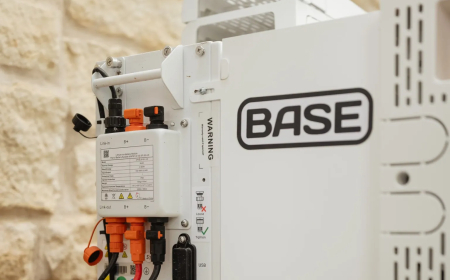
NERC says the situation in Texas is unlikely to be as catastrophic as 202,1, thanks in part to the significant number of grid-scale batteries added in recent years. These batteries can provide backup power when gas plants fall short and can respond more quickly to small grid fluctuations than natural-gas-powered peaker plants.
However, Texas is not entirely protected.
The majority of batteries on the Texas grid can only supply electricity for a few hours. That’s enough to cover short, sharp demand spikes — such as evening peaks — but less effective during prolonged, sustained periods of high demand.
Data centres, on the other hand, draw steady, high levels of electricity around the clock. If a prolonged cold snap hits, keeping batteries sufficiently charged to support both households and these energy-hungry facilities becomes far more difficult, NERC warned.
If the winter season passes without a severe storm, NERC expects no major issues across North America’s electrical grids. But it also notes that the past five years have brought four major winter storms, any of which could force grid operators to import electricity, request reductions from large industrial users, or — in the worst case — implement rolling blackouts.
What's Your Reaction?
 Like
0
Like
0
 Dislike
0
Dislike
0
 Love
0
Love
0
 Funny
0
Funny
0
 Angry
0
Angry
0
 Sad
0
Sad
0
 Wow
0
Wow
0