






























What to know about Netflix’s landmark acquisition of Warner Bros.
Netflix’s acquisition of Warner Bros. marks a major shift in the global streaming and entertainment landscape. Here’s what the deal means for content, competition, and subscribers.
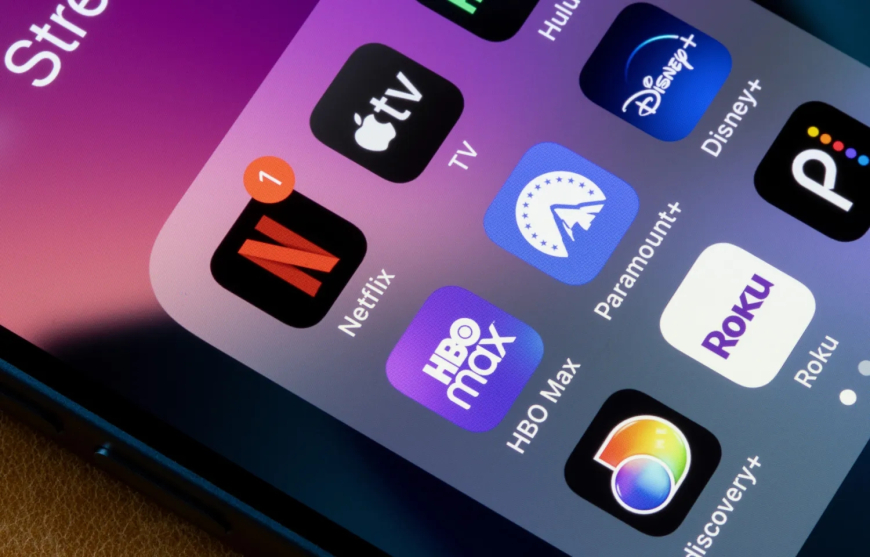
If 2025 has already delivered its share of surprises, the streaming industry added one more major twist before the year’s end.
Netflix, which already counts more than 325 million subscribers worldwide, has agreed to acquire Warner Bros.’ film and television studios along with HBO, HBO Max, and related entertainment assets. Announced in early December, the transaction consolidates some of the most recognisable franchises in entertainment history — including Game of Thrones, Harry Potter, and DC Comics titles — within a single corporate structure.
The sheer magnitude of the agreement has caught the industry off guard. Beyond its size, analysts believe the deal could fundamentally reshape Hollywood’s competitive landscape.
Here’s a closer look at how the Netflix–Warner Bros. Discovery (WBD) transaction unfolded, what it entails, and what could happen next.
How the Deal Began
The process traces back to October, when Warner Bros. Discovery disclosed that it was evaluating strategic alternatives after receiving unsolicited expressions of interest from several industry players.
For years, WBD has faced mounting financial strain, including billions in debt, declining traditional cable audiences, and escalating competition from digital streaming platforms. Those pressures led the company to consider major restructuring steps, including the potential sale of core entertainment divisions.
The bidding process quickly intensified. Paramount and Comcast emerged as serious contenders, with Paramount initially perceived as the leading candidate.
Ultimately, however, WBD’s board determined that Netflix’s proposal offered a more compelling path forward, even though Paramount reportedly offered around $108 billion in cash to purchase the entire company. Netflix’s bid focused specifically on WBD’s film, television, and streaming properties rather than the entire corporate entity.
Netflix later revised its offer to an all-cash transaction valued at $27.75 per WBD share, strengthening investor confidence and clearing the way for the deal to advance. The total transaction value stands at approximately $82.7 billion.
The Bidding War Intensifies
Although Netflix became the board’s preferred buyer, Paramount continued pressing its case for several months.
WBD repeatedly declined Paramount’s proposals, citing concerns over the debt burden that would accompany the transaction. According to the board, Paramount’s plan would have left the combined company carrying roughly $87 billion in debt — a level of financial risk directors were unwilling to accept.
In January, Paramount filed a lawsuit seeking additional disclosures regarding the Netflix agreement. The following month, it introduced a revised proposal that included a $ 0.25-per-share “ticking fee,” payable to WBD shareholders for each quarter the deal fails to close by December 31, 2026. Paramount also pledged to cover the $2.8 billion breakup fee if Netflix withdraws.
Despite these efforts, Paramount maintains that its offer remains superior.
Regulatory Scrutiny
Given the unprecedented scale of the merger, regulatory review is expected to be extensive.
Reports indicate that Netflix co-CEO Ted Sarandos is scheduled to testify before a U.S. Senate committee, underscoring congressional interest. Lawmakers have already raised concerns. In November, Senators Elizabeth Warren, Bernie Sanders, and Richard Blumenthal wrote to the Justice Department’s Antitrust Division,n warning that the merger could concentrate excessive market power in a single entity.
Critics argue that the combined company could raise prices for consumers or limit competition across film, television, and streaming markets.
If regulators block the transaction, Netflix would be required to pay a $5.8 billion breakup fee. It remains uncertain whether WBD would then pursue alternative acquisition offers or continue operating independently.
Industry Reaction
Within the entertainment sector, reaction has been largely critical.
The Writers Guild of America has publicly called for regulators to prevent the merger on antitrust grounds. Industry observers have also voiced concerns that consolidation at this scale could sideline independent creators and reduce the diversity of storytelling.
Job security is another concern, with speculation about potential layoffs and wage pressures if operational efficiencies are pursued.
Theatrical release strategies are also under scrutiny. Sarandos has stated that films already slated for theatrical distribution under Warner Bros. will proceed as planned. However, he indicated that release windows may eventually shorten, allowing films to reach streaming platforms more quickly.
What It Means for Subscribers
For viewers, immediate changes appear limited.
Netflix executives have said HBO’s operations will remain largely intact in the short term, and no formal decisions have been announced regarding potential bundling, platform integration, or app consolidation.
On pricing, Sarandos indicated that subscription rates will remain stable during the regulatory review period. That said, Netflix has historically adjusted its pricing structure every one to two years, meaning increases could follow once the transaction is finalised.
Timeline for Completion
The acquisition has not yet closed.
A WBD shareholder vote is expected around April. If approved, the deal is projected to close between 12 and 18 months afterwards, pending regulatory clearance.
With antitrust scrutiny ongoing and industry stakeholders watching closely, the outcome may shape not only the future of Netflix and Warner Bros., but also the broader direction of global entertainment.
What's Your Reaction?
 Like
0
Like
0
 Dislike
0
Dislike
0
 Love
0
Love
0
 Funny
0
Funny
0
 Angry
0
Angry
0
 Sad
0
Sad
0
 Wow
0
Wow
0