































AMD, Arm, and Qualcomm back a rising self-driving tech startup
AMD, Arm, and Qualcomm are investing in a fast-growing self-driving tech startup, signalling strong momentum in autonomous vehicle innovation.
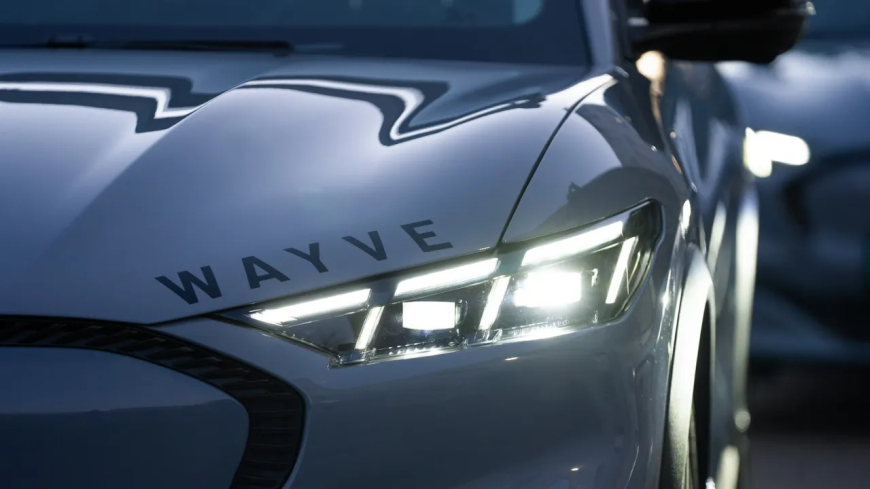
Chipmakers AMD, Arm, and Qualcomm have invested $60 million into U.K.-based autonomous driving startup Wayve as part of an extension to its recently announced $1.2 billion Series D funding round, the companies confirmed on Wednesday.
Wayve had already secured a strong lineup of strategic investors in that Series D round, including Mercedes-Benz, Nissan, and Stellantis, along with returning investors such as Nvidia, Microsoft, and Uber. Earlier backers, including Eclipse Ventures, Balderton Capital, and SoftBank Vision Fund 2, also participated. The round could expand further, with Uber committing an additional $300 million tied to milestones related to deploying robotaxis powered by Wayve's technology in London.
The involvement of AMD, Arm, and Qualcomm's venture arm goes beyond financial backing. Their participation shows they're aligned on the computing platform needed to support Wayve's autonomous driving system.
Wayve has developed a self-driving approach that does not depend on specific sensors, chips, or high-definition maps. Instead, its software uses an end-to-end neural network that relies on data gathered from available vehicle sensors to guide and train the driving system. This design allows the software to operate across different hardware setups, including the chips already used by original equipment manufacturer (OEM) partners.
The company's technology powers two main products offered to automakers and technology partners. One is an "eyes on" assisted-driving system that requires the driver to remain attentive and ready to take control. The other is an "eyes off" automated driving system capable of handling all driving tasks in certain environments, suitable for robotaxis or consumer vehicles.
Wayve has already secured multiple automotive partnerships. Nissan has said it will integrate Wayve's technology into its advanced driver-assistance systems (ADAS) starting in 2027. Mercedes-Benz and Stellantis are also planning to incorporate the company's technology into future vehicle models.
According to Wayve, the new investment will help accelerate integration across a range of automotive compute platforms and support the continued rollout of its AI Driver technology in production systems for both ADAS and fully automated driving.
"For embodied AI to scale, automakers need design choice and supply chain flexibility," said Alex Kendall, co-founder and CEO of Wayve. "Expanding our relationships with leading silicon companies helps bring that into production at a global scale."
What's Your Reaction?
 Like
0
Like
0
 Dislike
0
Dislike
0
 Love
0
Love
0
 Funny
0
Funny
0
 Angry
0
Angry
0
 Sad
0
Sad
0
 Wow
0
Wow
0