





































Canva introduces AI assistant that can use tools to create designs automatically
Canva’s AI assistant can now use multiple tools to automatically generate designs, making content creation faster, easier, and more efficient.
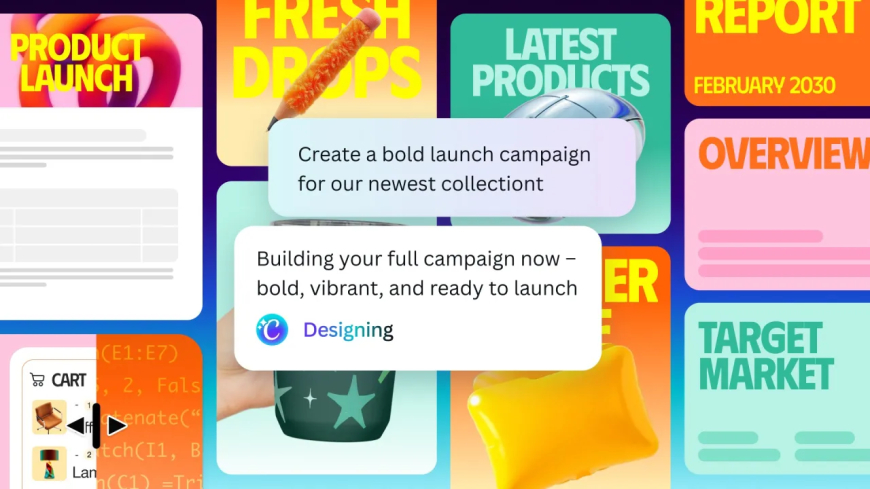
Canva is advancing its push into AI-powered creativity with a new version of its AI assistant that can automatically generate designs by understanding user prompts, planning tasks, and using the appropriate tools within the platform.
The latest update builds on a broader trend in AI platforms, where users can describe a task in natural language and rely on an assistant to handle the execution. In Canva’s case, this approach is particularly relevant to design professionals and businesses seeking consistent, automated workflows for producing visual content and media assets.
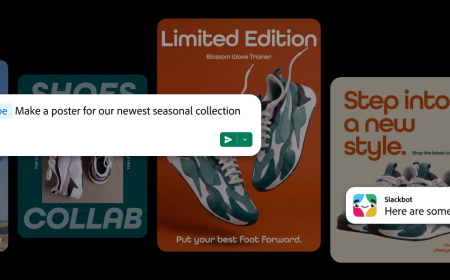
With this upgrade, users can explain what they want to create, and the AI assistant will generate multiple editable design options. The system uses a layered design structure, allowing users to easily modify elements such as text, images, layouts, and styles after the initial output is created. This ensures that while the process is automated, users still retain full creative control over the final result.
The update is part of Canva’s ongoing effort to make its AI assistant a central component of the user experience. The company has been steadily expanding its capabilities, including features like image generation and website creation, as it moves toward a more comprehensive AI-driven design environment.
At the same time, competition in this space is intensifying. Adobe recently introduced a Firefly AI assistant that works across its suite of creative applications, while Figma has integrated AI agent support into its platform.
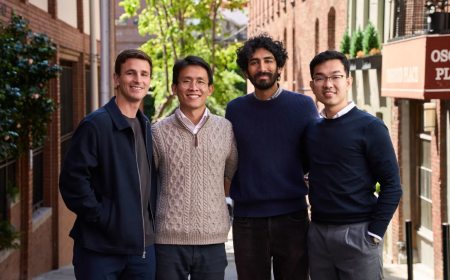
Canva co-founder and COO Cliff Obrecht highlighted the company’s position within this evolving landscape, noting that many businesses already rely on Canva for the final stages of their workflows. He explained that while users may experiment with AI tools from providers like Anthropic, Google, and OpenAI, they often return to Canva for editing, collaboration, and publishing tasks.
The company is also expanding integrations with widely used tools such as Slack, Gmail, Google Drive, Google Calendar, and Zoom. These integrations allow users to give the AI assistant access to emails, conversations, files, and meeting data, helping it build context and generate more relevant outputs.
In addition, Canva is introducing a web research capability that enables the assistant to browse the internet and gather information needed to complete tasks. A new scheduling feature is also being added, allowing users to automate recurring tasks. For now, these scheduled outputs will be created as drafts that users can review before publishing.
The company is also refining its existing AI tools. Its code generation feature can now import HTML, and users can generate spreadsheets by describing their requirements in natural language. Canva says it has also improved the efficiency of its underlying AI models. Its Lucid Origin image-generation model is now five times faster and significantly more cost-effective. At the same time, its image-to-video model has also seen major gains in speed and efficiency.
According to Obrecht, Canva’s enterprise segment is growing rapidly, with year-over-year growth reaching 100%. The company, which was most recently valued at $42 billion, according to PitchBook data, is expected to pursue a public listing in the near future, potentially as soon as next year.
The updated platform, branded as Canva AI 2.0, is being released in a research preview phase this week, with broader availability planned in the coming weeks as the company continues to expand its role in AI-powered design workflows.
What's Your Reaction?
 Like
0
Like
0
 Dislike
0
Dislike
0
 Love
0
Love
0
 Funny
0
Funny
0
 Angry
0
Angry
0
 Sad
0
Sad
0
 Wow
0
Wow
0