



































Spotify rolls out AI-powered Prompted Playlists to the UK and other markets

Spotify expands its AI-powered Prompted Playlists feature to the UK and other markets, enabling users to create custom playlists with simple text prompts.
Feb 24, 2026 - 13:28
 10
Spotify rolls out AI-powered Prompted Playlists to the UK and other markets
Image Credits: Spotify

After first piloting its AI-driven “Prompted Playlist” feature in New Zealand — and more recently introducing it in the U.S. and Canada — Spotify said Monday that it’s expanding the tool to Premium users in the U.K., Ireland, Australia, and Sweden.

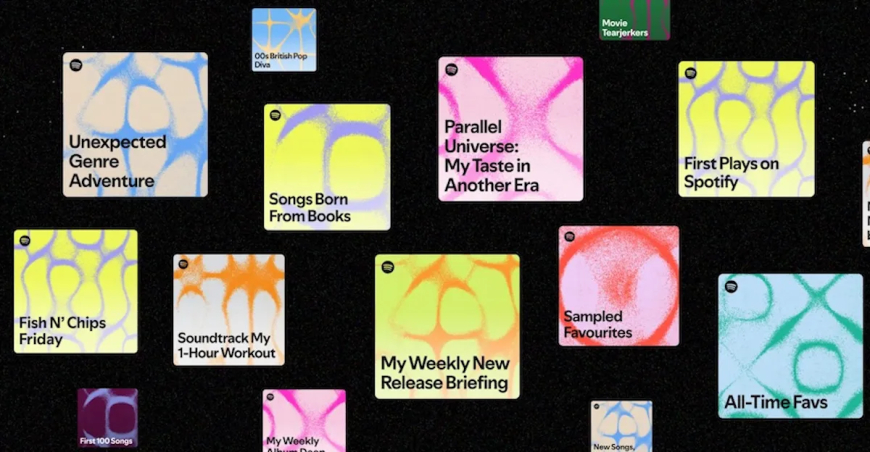
Prompted Playlists lets listeners build personalised playlists by typing a plain-language description of what they want to hear. Rather than searching track by track or hunting down specific artists, users can explain the mood, moment, setting, or concept they have in mind, and Spotify generates the playlist automatically.

To use it, subscribers tap “Create,” choose “Prompted Playlist,” and type a prompt in English. Spotify says the feature is built to understand themes that go beyond straightforward genres, including feelings, aesthetics, and even memory-based cues. Prompts can be very broad or highly specific — referencing time periods, genres, activities, lyrics, instruments, or asking for a playlist inspired by a TV series, a movie, or a personal milestone. Users can also steer the results by adding preferences in the prompt, such as wanting mostly discoveries or music pulled largely from their existing library.

Once the prompt is submitted, Spotify’s AI assembles a playlist tailored to the request. The system incorporates signals from the user’s listening history while also factoring in current music and cultural patterns. Spotify also adds short notes alongside each track, offering brief context on why that song was selected for the playlist.

Listeners can keep iterating by tweaking their prompts, regenerating the playlist, or starting over with a new idea. And for people whose tastes shift frequently, Spotify says playlists can be set to refresh automatically on a daily or weekly schedule.

Because the feature is still in beta, Spotify cautioned that it may evolve as feedback comes in and that usage limits are currently in place. Some users have reported encountering caps after 20 to 30 prompts.

The rollout is part of a broader push by Spotify to weave AI into more parts of its product. Recent additions include Page Match, which allows users to scan a physical book page and jump to the same spot in an audiobook, and About the Song. Spotify has also updated its lyrics experience with global translation support and offline access. Separately, SeatGeek partnered with Spotify last week so listeners can more easily find concert ticket links on an artist’s page or view upcoming tour dates in the app.

Inside the company, Spotify has also been applying AI across internal workflows. Earlier this month, co-CEO Gustav Söderström said Spotify’s top developers haven’t written a line of code since December, attributing the shift to AI.

Spotify is also pushing further into audiobooks by expanding into physical book sales. The company says users in the U.S. and U.K. will soon be able to purchase physical copies directly within the app.

What's Your Reaction?

Like Like 0
Dislike Dislike 0
Love Love 0
Funny Funny 0
Angry Angry 0
Sad Sad 0
Wow Wow 0
Shivangi Yadav Shivangi Yadav is a technology writer at TechAmerica.ai, covering artificial intelligence, startups, digital platforms, consumer technology, mobility, and emerging technologies. Her reporting follows major developments across the global technology industry, from AI companies and startup funding to product launches, regulatory investigations, software platforms, and changes affecting large technology markets. At TechAmerica.ai, Shivangi looks beyond the initial announcement to understand what a development means in practice. Her coverage often examines how new technologies, regulatory decisions, and business moves could affect companies, consumers, and the wider industry. She writes for an international audience, focusing on clear, well-researched reporting that gives readers useful context on fast-moving technology stories.