























YouTube’s latest experiment brings its conversational AI tool to TVs

YouTube is expanding its conversational AI tool to smart TVs, allowing viewers to ask questions, get video summaries, and discover related content directly on the big screen.

Feb 21, 2026 - 06:34
 0
YouTube’s latest experiment brings its conversational AI tool to TVs

The push to bring conversational AI into the living room is picking up speed, and YouTube is the latest platform expanding its assistant to smart TVs, gaming consoles, and streaming devices.

The experimental feature, which had previously been available only on mobile and the web, is now reaching the biggest screen in the house. It lets viewers ask questions about what they’re watching without leaving the video or interrupting the playback experience.

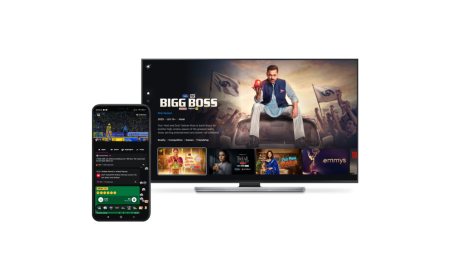
YouTube says on its support page that eligible users can press the “Ask” button on their TV screen to open the AI assistant. The tool can surface suggested questions about the video, or viewers can press their remote’s microphone button to ask their own question tied to what’s on screen. For example, someone watching a cooking clip might ask about ingredients in a recipe, while someone watching a music video might ask about the meaning or background of a song’s lyrics — and get an immediate response without pausing or leaving the app.

For now, the feature is limited to a small group of users who are 18 or older, and it supports English, Hindi, Spanish, Portuguese, and Korean.

YouTube introduced the conversational AI tool in 2024 to help viewers dig deeper into the content they watch. Bringing it to TVs comes as YouTube’s television audience continues to climb. A Nielsen report published in April 2025 found that YouTube accounted for 12.4% of total TV viewing time, ahead of major streaming competitors such as Disney and Netflix.

YouTube’s move also follows a broader wave of upgrades to conversational AI across TV platforms. Amazon has introduced Alexa+ on Fire TV devices, enabling more natural back-and-forth conversations and letting users request personalized recommendations, locate specific scenes in movies, or ask questions about actors and filming locations. Roku, meanwhile, has upgraded its AI voice assistant to handle better open-ended questions about movies and shows, such as “What is this movie about?” or “How scary is it?” Netflix is also experimenting with an AI-powered search experience.

YouTube has been testing other ways to use AI to improve the TV viewing experience as well, including a recently launched feature that automatically enhances videos uploaded in lower resolutions to full HD.

Beyond the TV screen, YouTube has continued rolling out additional AI features, including a comments summarizer that quickly catches up on discussion threads and an AI-driven carousel that reshapes how search results are presented. In January, the company also said creators will soon be able to produce Shorts using AI-generated versions of their own likeness.

Last week, YouTube launched a dedicated Apple Vision Pro app, giving users another way to watch content — this time on a theatre-sized virtual display inside an immersive environment.

What's Your Reaction?

Like Like 0
Dislike Dislike 0
Love Love 0
Funny Funny 0
Angry Angry 0
Sad Sad 0
Wow Wow 0
Shivangi Yadav Shivangi Yadav reports on startups, technology policy, and other significant technology-focused developments in India for TechAmerica.Ai. She previously worked as a research intern at ORF.