




















Deepinder Goyal backs $54M brain-monitoring startup after Zomato success
Zomato founder Deepinder Goyal is backing a $54 million brain-monitoring startup, signalling growing interest in neurotechnology and next-generation health innovation.
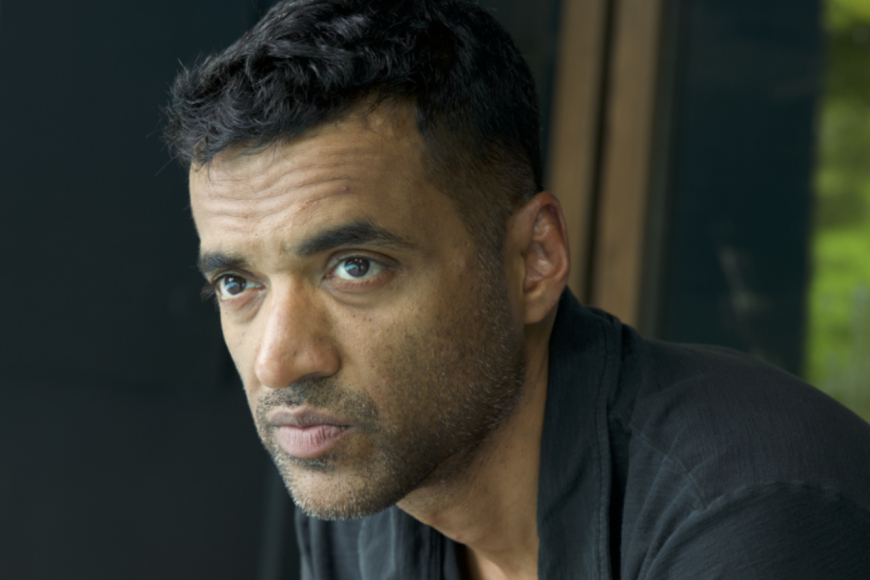
Just weeks after stepping down as CEO of food delivery firm Zomato and its parent Eternal, Indian entrepreneur Deepinder Goyal has returned with a $54 million raise for wearable startup Temple—part of what the 43-year-old has previously described as a move toward “higher-risk exploration and experimentation.”
On Friday, Goyal posted on X that Temple raised money in a friends-and-family round from founder friends and early Zomato backers, at a post-money valuation of roughly $190 million. He added that more than 30 employees also participated in the round at the same valuation.
Goyal is leading the financing, followed by Steadview Capital, according to the reviewed regulatory filings. Other participants include Peak XV Partners, InfoEdge Ventures, and Dharana Capital, along with angel investors such as Paytm’s Vijay Shekhar Sharma, CRED’s Kunal Shah, Zerodha founders Nithin Kamath and Nikhil Kamath, and a group of current and former Eternal executives, including Akshant Goyal, Aditya Mangla, Kunal Swarup, Akriti Chopra, and Rahul Ganjoo.
Goyal stepped down as chief executive of Zomato and its parent company, Eternal, in January, handing the position to Albinder Dhindsa, who runsBlinkit, the quick-commerce unit. The shift marked a major transition for Goyal, who had led the food delivery company he co-founded in 2008 for nearly two decades.
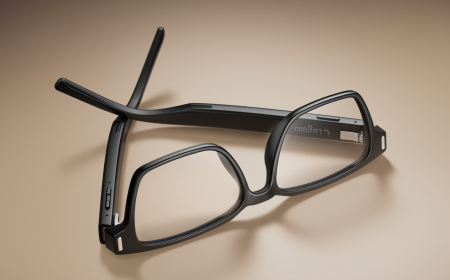
Temple is among the strongest signals yet of that new direction. The startup is building a high-performance wearable aimed at elite athletes, a segment Goyal has described as ready for deeper technological innovation.
In a January conversation with podcaster Raj Shamani, Goyal described Temple’s sensor that would sit on the wearer’s Temple and co-monitor cerebral blood flow.
In a separate post on X earlier Friday, he said Temple is working to create what he called “the ultimate wearable for elite performance athletes,” arguing the device will measure metrics that current wearables cannot. He also described an expansive hiring plan spanning embedded systems, computational neuroscience, and brain-computer interface engineering.
Temple is entering a crowded, highly funded wearables market where companies like Whoop, Oura, and Garmin have spent years improving devices that monitor sleep, recovery, and athletic performance. Whether Temple can meTempleully set itself apart remains to be seen.
The Temple bet is part of a wider shift in Goyal’s investing. In October 2025, he said he committed $25 million of his own money to another new effort, Continue Research, which is exploring approaches to extending human lifespan. He is also a co-founder of the aviation startup LAT Aerospace, which recently expanded into defence technology by acquiring the early-stage firm Sharang Shakti.
Goyal became widely known through Zomato, which he co-founded with Pankaj Chaddah and spent close to two decades scaling into one of India’s largest food delivery platforms before stepping down as CEO earlier this year.
Chaddah left the company in 2018 as Zomato continued consolidating through acquisitions, including the 2020 purchase of Uber Eats’ India business and the 2022 purchase of the grocery delivery platform Blinkit (then called Grofers) for $568 million.
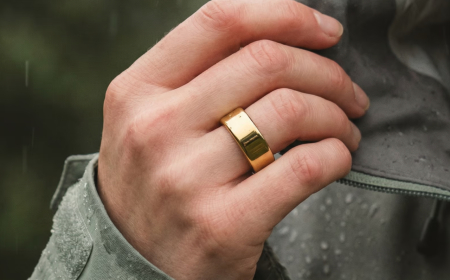
Before Temple, Goyal also backed health and fitness ventures, including Ultrahuman, an India-based wearable company that competes with Oura’s smart ring, highlighting his growing interest in performance and health-focused technology.
What's Your Reaction?
 Like
0
Like
0
 Dislike
0
Dislike
0
 Love
0
Love
0
 Funny
0
Funny
0
 Angry
0
Angry
0
 Sad
0
Sad
0
 Wow
0
Wow
0