






























Science Corp., led by Max Hodak, prepares for its first human brain sensor implant
Science Corp. is preparing to implant its first brain sensor in a human, marking a key step forward in neurotechnology and brain-computer interface research.
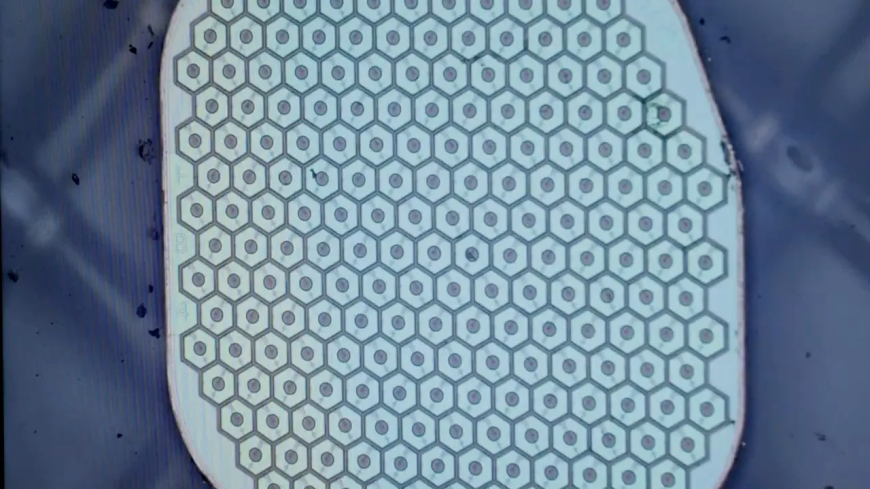
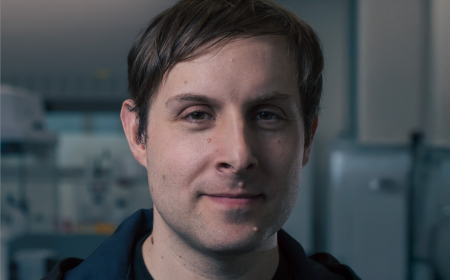
Science Corporation, founded by former Neuralink president and co-founder Max Hodak, is preparing for its first human brain sensor implant as it advances work on a next-generation brain-computer interface.
To support this effort, the company has brought on Murat Günel, chair of Yale Medical School's Department of Neurosurgery, as a scientific adviser following two years of discussions. Günel is expected to lead the initial U.S. human trials, beginning with the surgical placement of an early sensor that forms the foundation for a future system combining lab-grown neurons with electronic components.
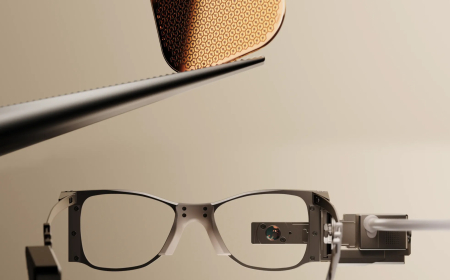
Founded in 2021, Science recently completed a $230 million Series C funding round, valuing the company at $1.5 billion. Its most advanced product to date is PRIMA, a device designed to restore vision in patients with macular degeneration and related forms of blindness. The company acquired this technology in 2024 and has progressed it through clinical trials, with plans to expand availability in Europe pending regulatory approval, potentially within the year.
While PRIMA represents a major milestone, Hodak's broader vision for the company centres on building reliable communication pathways between the human brain and computers. This goal includes both medical applications and long-term possibilities, such as enhancing human capabilities by introducing entirely new sensory experiences. Hodak's background spans neuroscience research, early biotech ventures, and his role in developing Neuralink alongside Elon Musk.
Efforts by Neuralink and other organisations have already demonstrated that electronic sensors can detect brain signals in patients with conditions such as ALS and spinal cord injuries, enabling them to control computers or generate text through thought alone. However, challenges remain in scaling these technologies commercially, particularly due to regulatory hurdles and the limited number of eligible patients.
Hodak and his team have taken a different approach, moving away from traditional metal electrodes used to stimulate brain activity. According to Günel, such probes can damage brain tissue over time, potentially limiting their long-term effectiveness. This concern led Science to explore a more biologically integrated solution.
"The idea of using natural connections through neurons and creating a biological interface between the electronics and the human brain is genius," Günel said.
The company's biohybrid sensor is being developed under the leadership of Alan Mardinly, co-founder and chief science officer, along with a team of around 30 researchers. The final version of the device will incorporate lab-grown neurons that can be activated using light signals and are designed to integrate naturally with the brain's existing neural networks, effectively bridging biological and electronic systems. In 2024, the company published findings showing that the device could be safely implanted in mice and used to stimulate brain activity.
At present, the team is focused on refining prototypes and developing methods to produce neurons suitable for different therapeutic uses while meeting medical standards. Günel is advising on preparations for human clinical trials and has already begun discussions with ethics boards responsible for overseeing research involving human subjects.
The initial human trials will involve testing an advanced version of the sensor without embedded neurons. Unlike Neuralink's device, which is inserted directly into brain tissue, Science's sensor will be placed within the skull but positioned on the brain's surface. The company believes this approach reduces risk, noting that the device — which contains 520 recording electrodes within an area roughly the size of a pea — may not require Food and Drug Administration approval for early trials.
The plan is to identify patients already undergoing major brain surgeries, such as those requiring the removal of part of the skull to relieve swelling after a stroke. In such cases, Günel expects to position the sensor on the cortex and evaluate its safety and effectiveness in recording neural activity.
If successful, the technology could have wide-ranging applications. One potential use is delivering targeted electrical stimulation to damaged brain or spinal cord cells to support recovery. Another possibility involves monitoring brain activity in patients with tumours and providing early seizure alerts.
Looking further ahead, Günel believes the technology could offer improved treatment options for neurological conditions such as Parkinson's disease. Current approaches, including experimental cell transplants and electrical stimulation, have yet to halt disease progression reliably. A biohybrid system combining biological and electronic elements could offer a more effective solution.
"I imagine this biohybrid system as combining those two — you have the electronics, and you have the biological system," he said. "In Parkinson's, for example, we cannot stop the progression of the disease; in neurosurgery, all we are doing is putting an electrode to stop the tremors. Whereas if you can really put the [transplanted] cells back in the brain, protect those circuits, there's a chance, and I believe it's a good chance, that we can stop progression of the disease."
Despite the potential, significant work remains before human trials begin. Günel noted that expecting trials to start by 2027 would already be considered an optimistic timeline.
What's Your Reaction?
 Like
0
Like
0
 Dislike
0
Dislike
0
 Love
0
Love
0
 Funny
0
Funny
0
 Angry
0
Angry
0
 Sad
0
Sad
0
 Wow
0
Wow
0