




































Science Corp secures $230M to accelerate development of its brain implant technology
Science Corp has raised $230 million to advance development of its brain implant technology aimed at restoring vision and expanding the future of brain-computer interfaces.
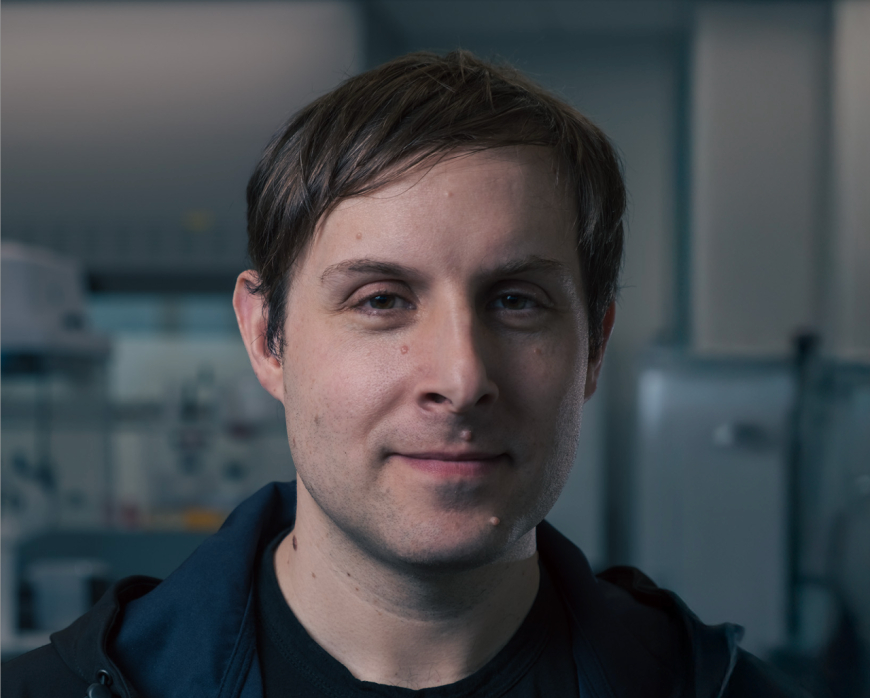
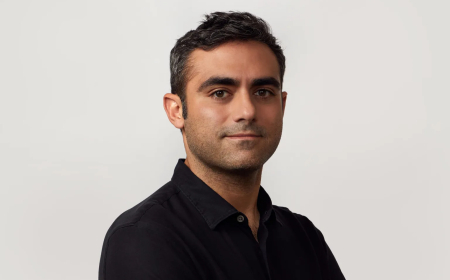
While much of the venture capital world has been focused on artificial intelligence investments, Max Hodak — co-founder and former president of Neuralink — has been quietly building a startup that claims it could become the first brain-computer interface company to bring a commercial product to market.
Those ambitions have attracted significant investor attention. Hodak’s company, Science Corporation, announced on Wednesday morning that it has secured $230 million in a Series C funding round. According to a source familiar with the deal, the investment values Science Corp. at about $1.5 billion on a post-money basis.
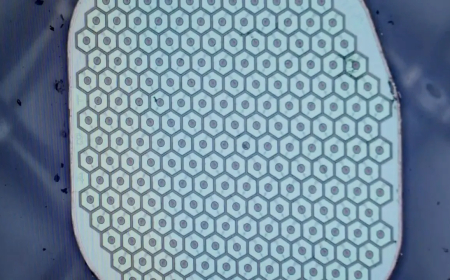
In the near term, the company is focusing on PRIMA, a microchip said to be smaller than a grain of rice. When implanted in the eye, the chip works with camera-equipped glasses to restore functional vision for people with advanced macular degeneration.
Science Corp. did not originally create the technology from scratch. In 2024, the startup acquired PRIMA’s assets from the French company Pixium Vision. After the acquisition, Science refined the system and completed clinical trials that Pixium had previously initiated.
However, the clinical outcomes reported by the company are based on its own results. Across trials involving 47 patients in Europe and the United States, Science says that 80% of participants experienced meaningful improvements in visual acuity and gained the ability to read letters, numbers, and words.
“To my knowledge, this is the first time that restoration of the ability to read fluently has ever been definitively shown in blind patients,” Hodak said during an interview in December. The device has also drawn broader attention, even appearing on the cover of Time magazine.
It remains uncertain exactly when PRIMA will reach patients, but the regulatory process is beginning to take shape. Science Corp. has already submitted an application for a CE mark in the European Union and expects approval around mid-2026, after which it plans to launch the product in European markets. If the timeline holds, the company believes it could become the first brain-computer interface firm with a commercial product available.
The startup has indicated that Germany will likely be its initial launch market, as the country offers established pathways for early access to new medical technologies. In the United States, discussions with the Food and Drug Administration are still underway, the company said.
Science Corp. is also broadening the scope of its PRIMA clinical program to include Stargardt disease and retinitis pigmentosa — inherited retinal disorders that are among the leading causes of vision loss in younger adults.
The new funding will help support the commercial rollout of PRIMA while also backing the company’s wider research initiatives. Among these efforts is a biohybrid neural interface program that involves growing engineered neurons derived from stem cells onto a waffle-shaped device designed to sit on the brain’s surface and create biological links with existing neural circuits.
Another initiative inside Science Corp. is a new business division called Vessel. This program focuses on organ preservation technology, aiming to develop compact perfusion systems that would enable organs to be transported on commercial airline flights or maintained at home, rather than requiring storage in intensive care units.
Participants in the Series C funding round include both new and existing investors, such as Lightspeed Venture Partners, Khosla Ventures, Y Combinator, and Quiet Capital. IQT — the nonprofit investment group known for supporting technologies used by government agencies, such as the FBI and CIA — also participated in the round.
With this latest financing, Science Corp.’s total funding has reached $490 million. The company currently has a workforce of around 150 employees.
What's Your Reaction?
 Like
0
Like
0
 Dislike
0
Dislike
0
 Love
0
Love
0
 Funny
0
Funny
0
 Angry
0
Angry
0
 Sad
0
Sad
0
 Wow
0
Wow
0