



































Trump administration undermines EPA enforcement of Clean Air Act
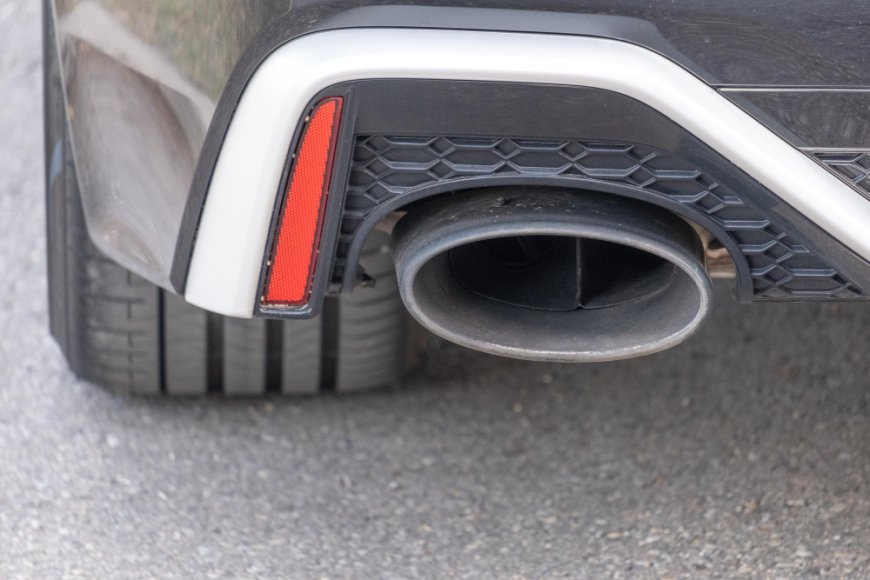
The Trump administration scaled back EPA enforcement of the Clean Air Act through regulatory rollbacks, staffing cuts, and reduced oversight, reshaping U.S. environmental policy.
What's Your Reaction?
 Like
0
Like
0
 Dislike
0
Dislike
0
 Love
0
Love
0
 Funny
0
Funny
0
 Angry
0
Angry
0
 Sad
0
Sad
0
 Wow
0
Wow
0

Shivangi Yadav
Shivangi Yadav is a technology writer at TechAmerica.ai, covering artificial intelligence, startups, digital platforms, consumer technology, mobility, and emerging technologies.
Her reporting follows major developments across the global technology industry, from AI companies and startup funding to product launches, regulatory investigations, software platforms, and changes affecting large technology markets.
At TechAmerica.ai, Shivangi looks beyond the initial announcement to understand what a development means in practice. Her coverage often examines how new technologies, regulatory decisions, and business moves could affect companies, consumers, and the wider industry.
She writes for an international audience, focusing on clear, well-researched reporting that gives readers useful context on fast-moving technology stories.