





















Why regulators ended their probe into Tesla’s remote parking feature
Safety regulators have closed their investigation into Tesla’s remote parking feature after reviewing performance data and system safety outcomes.
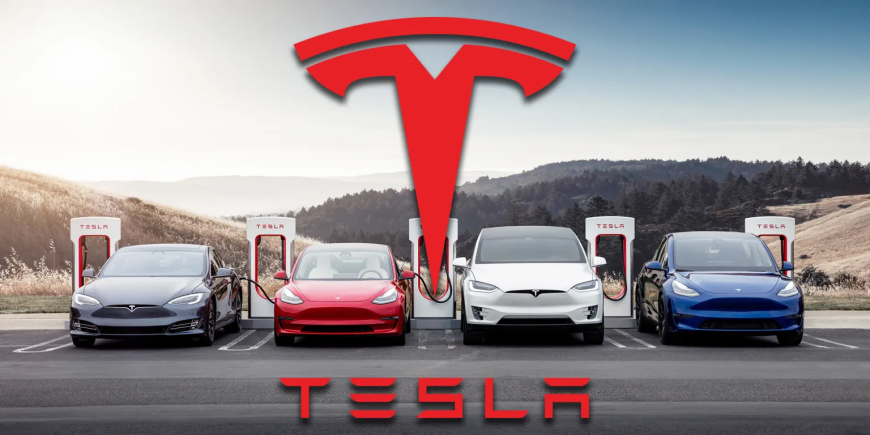
U.S. auto safety regulators have ended their investigation into Tesla’s remote parking capability, known as “Actually Smart Summon,” after determining that related crashes were uncommon, occurred at low speeds, and did not result in serious damage.
The National Highway Traffic Safety Administration (NHTSA) stated in an update released Friday that closing the investigation does not mean a safety defect does not exist. The agency also noted that it retains the authority to reopen the case if new evidence emerges.
The remote parking feature, introduced through a software update in September 2024, allows Tesla owners to use a mobile app to guide their vehicle to them autonomously at low speeds, relying solely on the car’s camera system. The rollout drew attention because it marked a shift from the earlier Smart Summon feature, which also used ultrasonic sensors — hardware that is no longer included in newer Tesla models.
The NHTSA launched its investigation in January 2025 following reports of dozens of incidents involving the “Actually Smart Summon” feature. After reviewing the data, regulators found that only a very small fraction of the millions of Summon sessions resulted in any incident.
Most of these cases involved minor property damage, such as vehicles making contact with gates, parked cars, or fixed objects like bollards. According to the agency’s findings, there were no reported cases involving vulnerable road users, injuries, fatalities, or serious damage indicated by airbag deployment or vehicles being towed away.
The investigation also highlighted contributing factors behind the incidents. In many situations, either the user or the system failed to fully recognise the surrounding conditions, often due to limited visibility in the app’s camera interface. Some cases were linked to environmental conditions, such as snow covering the cameras, which the system failed to detect properly.
In response, Tesla has released multiple software updates aimed at improving its ability to detect camera obstructions and better recognise nearby objects, as noted in the NHTSA’s report.
While the case has been closed for now, regulators emphasised that ongoing monitoring remains possible, especially as autonomous and remote-driving features continue to evolve.
What's Your Reaction?
 Like
0
Like
0
 Dislike
0
Dislike
0
 Love
0
Love
0
 Funny
0
Funny
0
 Angry
0
Angry
0
 Sad
0
Sad
0
 Wow
0
Wow
0