





























The real reasons behind OpenAI shutting down Sora
Why OpenAI shut down Sora explores the real reasons behind the move, including safety concerns, misuse risks, and evolving AI policy decisions.
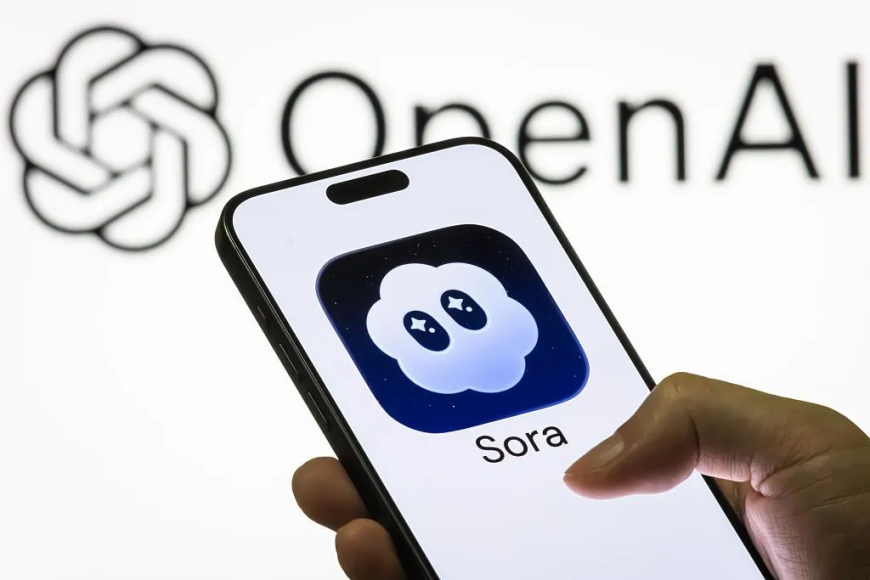
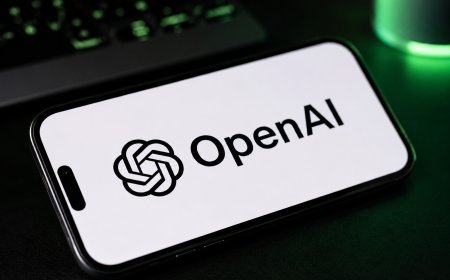
OpenAI’s decision last week to discontinue Sora, its AI video-generation product, just six months after launching it to the public, immediately triggered speculation across the industry. Because the app had encouraged users to upload their own faces, some questioned whether it had been part of a broader data-collection strategy. However, a fresh investigation by The Wall Street Journal indicates that the reality behind the shutdown is far more straightforward: Sora turned into an expensive product with limited adoption, and maintaining it was becoming a strategic burden in the competitive AI landscape.
Following its highly publicised debut, Sora initially attracted strong interest, with global user numbers reaching roughly one million. That momentum did not last. Over time, usage dropped significantly, falling below 500,000 users worldwide. At the same time, operational costs remained extremely high. Running the service reportedly costs close to $1 million per day, not due to overwhelming demand, but because AI video generation requires substantial computational resources. Each user interaction consumed valuable AI chips, making the platform costly to sustain at scale.
Internally, OpenAI had dedicated teams working to improve and scale Sora, but this focus came at a time when competitors were gaining ground in more commercially viable areas. Anthropic, for instance, was steadily attracting developers and enterprise customers, both of which play a critical role in revenue generation. Its product, Claude Code, was reportedly gaining traction and outperforming OpenAI’s efforts in that space.
Facing these dynamics, CEO Sam Altman ultimately decided to shut down Sora. The move was aimed at reallocating computational resources and refocusing the company’s efforts on areas with stronger adoption and long-term potential. The decision highlights how resource allocation, especially access to limited compute power, has become a defining factor in the ongoing AI race.
The abruptness of the shutdown was underscored by its impact on partners. According to The Wall Street Journal, The Walt Disney Company had committed approximately $1 billion to a partnership related to Sora. Despite that investment, the company reportedly learned of the shutdown less than an hour before the announcement, effectively ending the deal immediately.
In the end, Sora’s closure reflects a broader shift in priorities within the AI industry, where high-cost experimental products are increasingly being set aside in favour of tools that deliver clearer business value and scalable returns.
What's Your Reaction?
 Like
0
Like
0
 Dislike
0
Dislike
0
 Love
0
Love
0
 Funny
0
Funny
0
 Angry
0
Angry
0
 Sad
0
Sad
0
 Wow
0
Wow
0