


























TikTok recovers from dip in usage that benefited rival apps following US ownership change
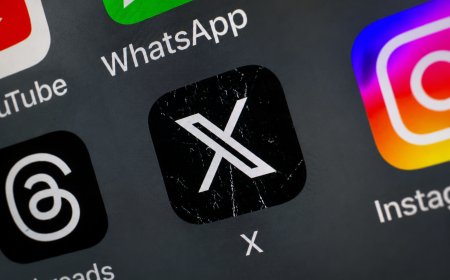
TikTok has rebounded from a short-lived drop in US usage after its ownership change, regaining users who briefly shifted to rival short-video apps.
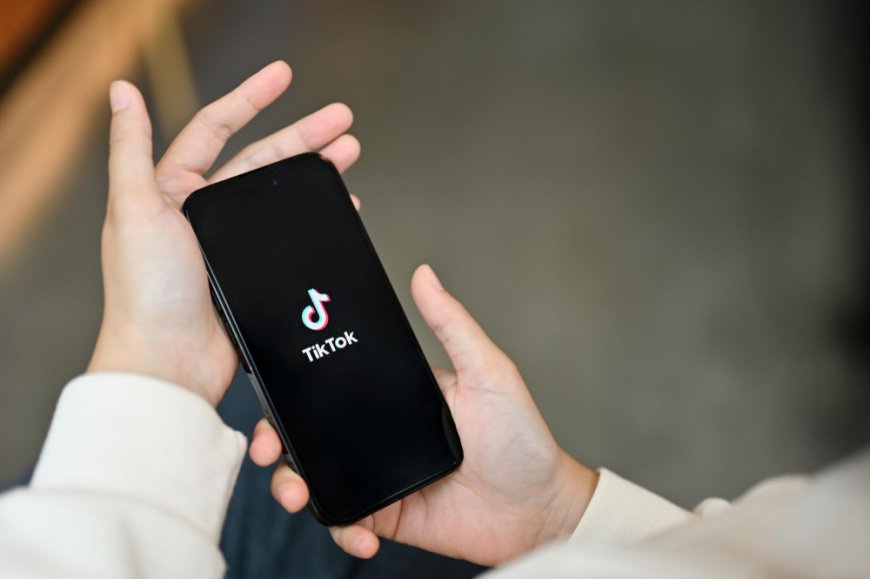
TikTok has largely recovered from a short-lived decline in active users following a recent ownership change, when a group of American investors assumed control of the video app’s U.S. operations. While the decline was brief, it benefited competing video platforms, including UpScrolled and Skylight Social, which saw a surge in new users as some people explored alternatives to TikTok.
Data from digital market intelligence firm Similarweb shows that TikTok’s daily active users in the U.S. fell to roughly 86–88 million immediately after the ownership transition. That marked a noticeable decline from the platform’s typical average of about 92 million daily active users.
Since then, TikTok’s daily active user base has rebounded to more than 90 million, suggesting that many users who temporarily stopped using the app have returned.
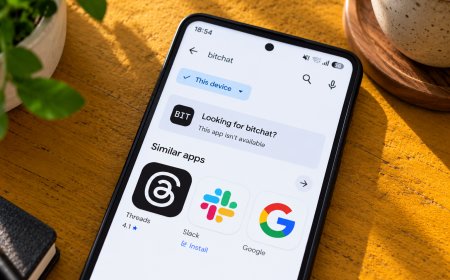
As TikTok experienced its brief slowdown, rival video-sharing apps saw rapid growth. Though still tiny compared with TikTok’s scale, UpScrolled reached a peak of 138,500 daily active users on January 28 before falling back to around 68,000. Skylight Social, meanwhile, climbed to 81,200 daily active users based on Similarweb’s estimates and has since declined to roughly 56,300 daily active users. In total, Skylight Social’s user sign-ups rose to about 380,000 by late January.
The temporary dip in TikTok usage was not directly caused by the ownership change, but rather by user concerns about how the transition might affect their experience on the platform. Much of the anxiety centred on TikTok’s updated privacy policy, which granted the app permission to collect users’ precise GPS location. The change may be linked to TikTok’s testing of a “Nearby” feed that surfaces videos from local creators. Still, the policy update coincided with the ownership change, triggering backlash over privacy concerns.
As users reviewed the revised privacy policy, some also noted language indicating that TikTok may collect data, including users’ “immigration status,” among other sensitive personal information. That wording, however, stems from requirements under the California Consumer Privacy Act (CCPA), which obligates companies to disclose whether they collect specific categories of data. In practice, TikTok’s disclosureindicatest that information users voluntarily share in videos technically becomes part of the platform and therefore must be acknowledged in the policy.
Compounding matters, TikTok was also hit by a poorly timed, multi-day data centre outage. During the disruption, the app experienced widespread technical issues, including broken search functionality, missing likes and comments, video glitches, algorithm disruptions, and problems with in-app messaging. Some users interpreted these malfunctions as signs that TikTok was censoring content, prompting them to seek out alternative platforms.
TikTok said on Sunday evening that the data centre outage had been fully resolved, attributing the disruption to a winter-storm-related power failure.
As technical issues were fixed and users adjusted to the updated terms and conditions, engagement on TikTok began to recover, according to Similarweb’s data. Still, there may be room for emerging competitors to gain traction. Similarweb notes that TikTok’s usage has been gradually declining since late 2025, after peaking at approximately 100 million daily active users between July and October of that year, compared with the just over 90 million level seen more recently.
What's Your Reaction?
 Like
0
Like
0
 Dislike
0
Dislike
0
 Love
0
Love
0
 Funny
0
Funny
0
 Angry
0
Angry
0
 Sad
0
Sad
0
 Wow
0
Wow
0