



















We’re not nostalgic for 2016 — we’re nostalgic for the internet before all the slop
Online nostalgia isn’t about 2016 itself, but about a time before algorithmic feeds, spammy content, and engagement-driven platforms flooded the internet with low-quality “slop.”
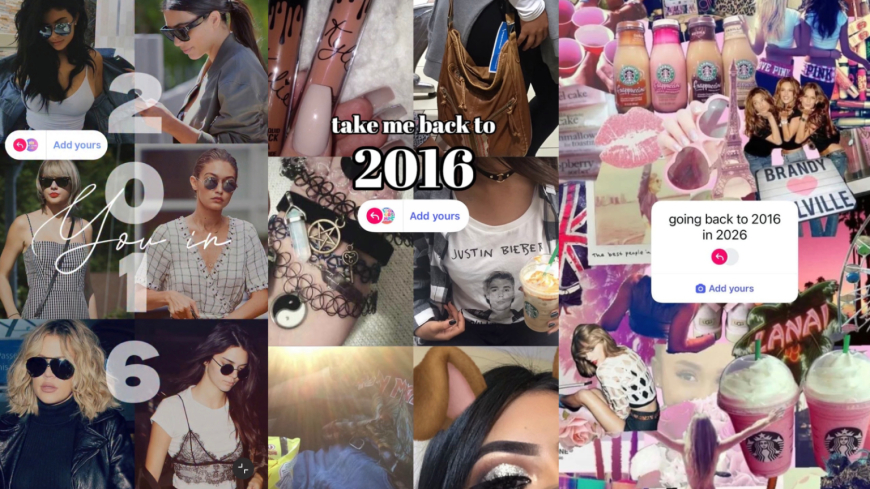
For a growing cohort of younger internet users, 2016 has taken on a new reputation as “the last good year.”
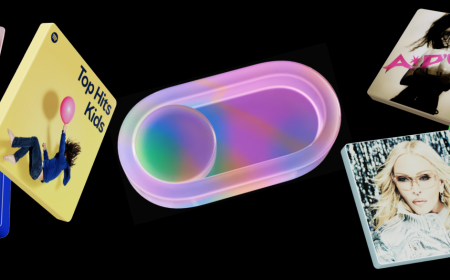
Since the start of the year, Instagram has been flooded with a 2016-themed “add yours” sticker, encouraging users to share throwback photos from that year. The trend has generated more than 5.2 million responses, creating enough momentum to spill onto other platforms as well. On Spotify, user-created playlists labelled “2016” have surged by 790% since the new year began, prompting the company to proudly declare in its Instagram bio that it is romanticising 2016 again.”
At first glance, 2016 seems easier to romanticise. Donald Trump had not yet spent a single day in the White House. Most people didn’t know — or care — about the difference between an N95 and a KN95 mask. Twitter was still called Twitter. It was the era fondly remembered as “Pokémon Go Summer.”
Yet, as nostalgia so often does, this collective memory smooths over just how anxious that year actually felt in real time. When meme librarian Amanda Brennan dug through her archives to revisit the images that defined 2016, she surfaced a screenshot that feels jarringly out of step with today’s rose-tinted recollections. The post read, “Can’t believe that the devil put all of his energy into 2016,” followed by a reply adding, “It’s like he had an assignment due January 1, 2017 and forgot until now.”
It’s easy to forget just how much people despised 2016 while it was happening. The year was marked by Brexit, the devastating climax of the Syrian civil war, the spread of the Zika virus, and the Pulse nightclub shooting, among countless other sources of fear and uncertainty. It wasn’t only the polarising U.S. election that cast a shadow over the year. Months before Election Day, a columnist at Slate seriously questioned whether 2016 ranked among history’s worst years, comparing it to 1348 — when the Black Death ravaged Europe — and 1943, during the height of the Holocaust.
The beginning of a new year is always fertile ground for nostalgia, and the internet is particularly adept at turning memory into engagement. Platforms like Facebook, Snapchat, and even the built-in Apple Photos app constantly nudge users with reminders of what they were doing one, five, or ten years ago.
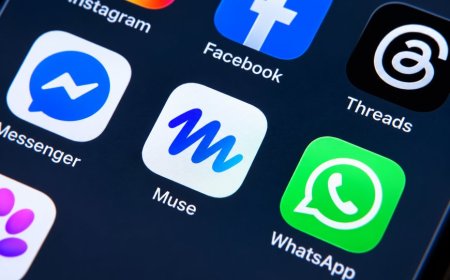
This wave of 2016 nostalgia, however, feels distinct — and not just for political reasons. As artificial intelligence increasingly permeates nearly every corner of the web, 2016 has come to symbolise a moment before The Algorithm™ entirely took control, before “enshittification” reached what many feel is a point of no return.
To understand what the internet looked like in 2016, Brennan suggests framing it as the 10th anniversary of 2006 — the moment when the social internet truly locked itself into everyday life.
“In 2006, technology changed,” Brennan told TechCrunch. “Twitter launched, Google bought YouTube, Facebook started letting anyone over 13 sign up.”
Before the rise of social platforms, the internet was primarily a refuge for people actively searching for community — people who were, as Brennan puts it, “for lack of a better term, nerdy.” Once social media exploded, that dynamic shifted. The internet began to “leak” into the mainstream, and the boundary between pop culture and internet culture started to dissolve.
“By 2016, you see that ten years have allowed people to evolve,” Brennan said. “People who weren’t internet nerds to begin with might have ended up on 4chan or other smaller corners of the web that deeply online people once mostly populated. And because of smartphones, everyone is an internet person now.”
By Brennan’s account, it makes sense that 2016 was the year Pepe the Frog — originally an easygoing stoner character from a webcomic — was transformed into a hate symbol, and that the misogyny driving Gamergate spilt into national politics. On the other side of the ideological spectrum, left-leaning meme communities argued among themselves over whether “dat boi” — a meme featuring a frog on a unicycle — had inappropriately borrowed from African American Vernacular English.
At the time, it felt novel to point out how internet culture was beginning to shape political reality. Less than a decade later, the world had seen a pseudo-government agency named after a meme — one that, among other consequences, slashed international aid funding and contributed to the deaths of hundreds of thousands of people.
Another ten years on, society has now had two full decades to grapple with how the social internet has reshaped behaviour, politics, and daily life. Still, for people who were children in 2016, the year carries a particular allure. Search results on Google felt reliable. Deepfakes were relatively easy to identify. Teachers didn’t have to devote enormous energy to figuring out whether a student copied homework from ChatGPT. Dating apps still seemed full of promise. Instagram wasn’t flooded with video. “Hamilton” was still undeniably cool.
It’s a softened, idealised memory of an online era that had plenty of problems of its own. Yet it fits neatly into a broader cultural turn toward more analogue experiences — the same impulse behind the revival of in-person matchmaking events and the renewed popularity of point-and-shoot digital cameras. Social media has become so deeply embedded in everyday life that it’s no longer fun for many people, fueling a desire to return to a time before anyone ever coined the term “doomscrolling.” And honestly, it’s hard to fault anyone for feeling that way.
What's Your Reaction?
 Like
0
Like
0
 Dislike
0
Dislike
0
 Love
0
Love
0
 Funny
0
Funny
0
 Angry
0
Angry
0
 Sad
0
Sad
0
 Wow
0
Wow
0