








































Zuckerberg grilled in court over social media harms on teens
Meta CEO Mark Zuckerberg faces tough questioning in court over claims that Instagram and Facebook harmed teen mental health and failed to protect young users.
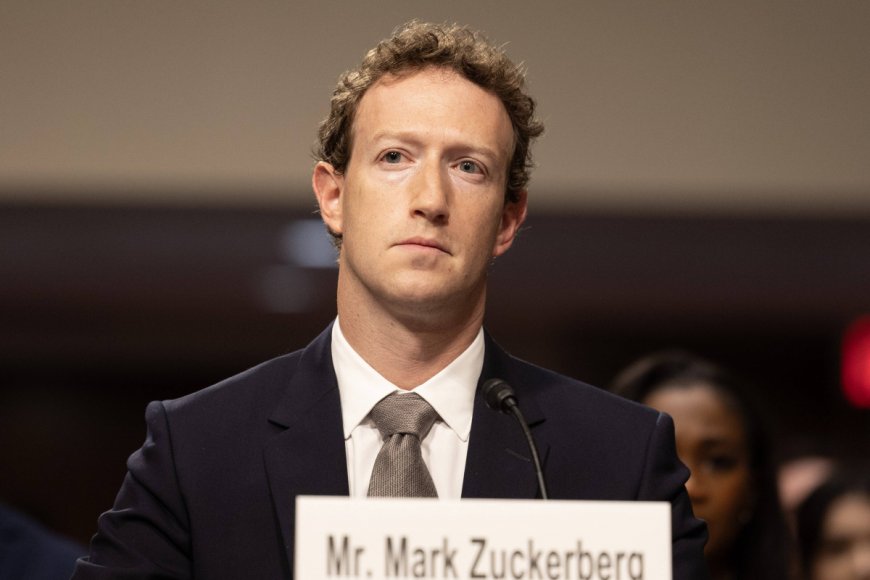
Meta CEO Mark Zuckerberg took the stand on Wednesday in a closely watched trial that could shape how courts and regulators judge whether major social media apps are addictive and harmful to teenagers and children. The case, unfolding in Los Angeles Superior Court, has already surfaced internal findings indicating Meta's own research suggested parental supervision was not enough to stop compulsive social media use among teens. The proceedings have also highlighted research suggesting that teens who experienced traumatic events were more likely to overuse social media.
Attorneys for the plaintiff — a 20-year-old identified in court filings by her initials, KGM — questioned Zuckerberg about whether Instagram staff were assigned goals tied to increasing daily usage. The Associated Press noted that Zuckerberg previously said in a congressional hearing that employees were not given that type of directive. But a 2015 email chain introduced as evidence showed Zuckerberg urging efforts to increase users' time spent in the app by 12%.
Zuckerberg was also pressed on Instagram's beauty filters and the role they may play for younger users. Meta's own experts, according to testimony and court documents, said such filters should be banned for teens. Lawyers also raised internal estimates about how many children under 13 were using Instagram. One Meta document from 2018 said that as of 2015, roughly 4 million children under 13 had Instagram accounts, including about 30% of U.S. children ages 10 to 12.
On those points, Zuckerberg pushed back, arguing that effective age verification is difficult, and suggesting that smartphone makers — including Apple — could do more to help. The discussion comes as lawmakers and regulators increase pressure on platforms like Facebook and Instagram in the U.S., where multiple states have enacted or are drafting laws focused on youth protections. Apple has also recently introduced age-assurance tools for developers amid growing scrutiny.
Courtroom reports said Zuckerberg largely adhered to Meta's established messaging during his testimony, at times claiming the plaintiff's lawyers were mischaracterising documents or taking excerpts out of context.
KGM, who also goes by her first name Kaley, filed suit against four social media companies, arguing that their platforms are harmful and addictive. Before trial, TikTok and Snap reached settlements, leaving YouTube and Meta to defend their products in court.
During the trial, Meta's lawyers have argued that Kaley's mental health struggles stem from an unhappy childhood rather than social media use itself. Because a jury is deciding the case, the outcome could carry major consequences — potentially fueling broader reforms across big tech, encouraging new legislation and regulation, and opening the door to additional settlements if the companies are found responsible.
What's Your Reaction?
 Like
0
Like
0
 Dislike
0
Dislike
0
 Love
0
Love
0
 Funny
0
Funny
0
 Angry
0
Angry
0
 Sad
0
Sad
0
 Wow
0
Wow
0