




























Waymo and Robotaxi Rivals Face Push for Federal Emergency Response Rules
Waymo and other robotaxi operators face growing scrutiny as lawmakers push for federal safety standards governing autonomous vehicles during emergencies.
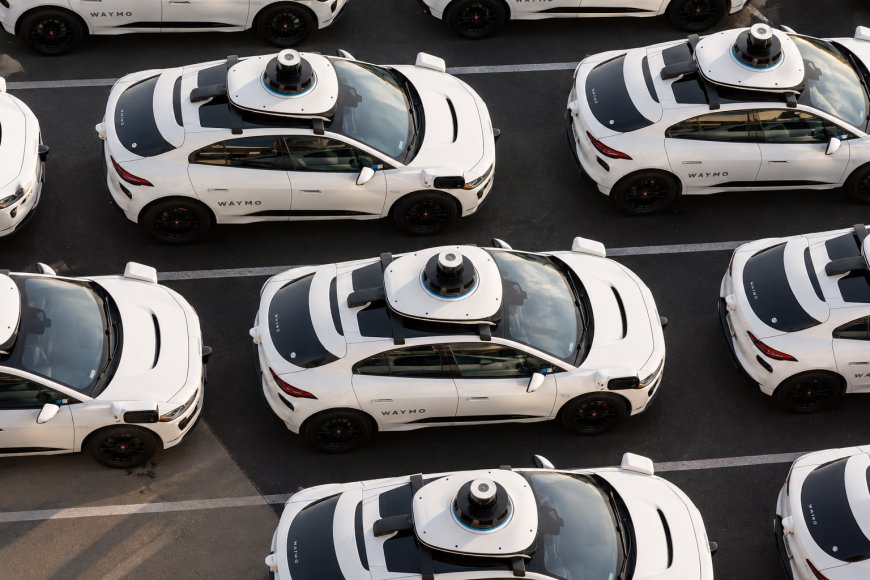
Waymo and other robotaxi operators are facing growing regulatory pressure over how autonomous vehicles behave around emergency responders, with a new proposal in Congress seeking national safety standards for the industry.
Rep. Kevin Mullin, D-Calif., is preparing legislation that would direct federal regulators to establish minimum emergency response requirements for autonomous vehicle operators. The proposal follows incidents in which driverless vehicles have reportedly blocked ambulances and fire trucks, entered active crime scenes and failed to properly respond to safety equipment such as traffic cones and flares.
The AV Emergency Response Coordination Act was unveiled Tuesday during a news conference in San Francisco, one of the country’s largest autonomous vehicle testing markets and a city where hundreds of Waymo robotaxis provide commercial rides.
San Francisco Mayor Daniel Lurie, Fire Chief Dean Crispen and Advocates for Highway and Auto Safety President Cathy Chase joined Mullin at the event.
Mullin said the number of cases involving autonomous vehicles interfering with emergency responders had become unacceptable and required a stronger regulatory response.
Bill would establish national robotaxi safety standards
The proposed legislation would require autonomous vehicle companies to provide first responders with clear emergency protocols and maintain a 24-hour hotline giving public officials direct access to operators.
It would also direct the National Highway Traffic Safety Administration to develop minimum national standards governing how autonomous vehicles should behave during emergencies.
Another significant provision would create a process allowing public officials to geofence autonomous vehicles during emergencies or other safety hazards. Geofencing could temporarily prevent robotaxis from operating in designated areas, giving local authorities direct control over where autonomous fleets can travel during an active incident.
For cities hosting large robotaxi fleets, that authority could provide an immediate alternative to relying on individual companies to reroute or stop vehicles voluntarily.
Crispen said San Francisco’s fire department has worked with autonomous vehicle companies but continues to encounter problematic behaviour. He cited robotaxis picking up or dropping off passengers directly outside fire stations and ambulance deployment facilities, potentially obstructing emergency access.
Waymo backs standardised federal framework.
Waymo responded to the proposal by saying it has long supported the creation of a federal framework for autonomous vehicle standards.
The company also expressed support for standardising how autonomous vehicle developers interact with first responders. Waymo said its existing operations include emergency response protocols and extensive training with public safety agencies in the communities where its vehicles operate.
According to Waymo, minimum national guidelines could give both autonomous vehicle companies and emergency responders a consistent framework for handling encounters with driverless vehicles on public roads.
NHTSA has also raised concerns
The congressional proposal comes as federal regulators increase their scrutiny of autonomous vehicle companies.
In early July, NHTSA Administrator Jonathan Morrison sent a letter to autonomous vehicle developers saying the agency had identified a pattern of driverless vehicles interfering with police and other emergency responders.
The agency requested solutions from autonomous vehicle developers by the end of July. With that deadline now passed, companies including Waymo and Zoox are under pressure to demonstrate how they plan to address the issue or potentially face additional federal action.
San Francisco incidents add pressure on robotaxi operators
San Francisco officials have separately pushed California regulators to strengthen oversight of autonomous vehicles following several high-profile disruptions.
Lurie called for tougher rules after an hours-long traffic jam on July 4 that was worsened by Waymo robotaxis that ran out of power and blocked important streets.
The mayor has also pointed to a widespread power outage in December that left dozens of Waymo vehicles stranded as another example of why regulators need stronger safeguards for autonomous fleets.
Lurie said residents and visitors should be able to use autonomous vehicles alongside public transit and bicycles while remaining confident that police officers, firefighters and ambulances will be able to reach emergencies without obstruction.
As commercial robotaxi services expand into more U.S. cities, emergency response is becoming an increasingly important regulatory test for the industry. Mullin’s proposal would move responsibility beyond voluntary agreements between individual cities and autonomous vehicle companies by establishing a national framework for how driverless vehicles must respond when public safety is at stake.
What's Your Reaction?
 Like
0
Like
0
 Dislike
0
Dislike
0
 Love
0
Love
0
 Funny
0
Funny
0
 Angry
0
Angry
0
 Sad
0
Sad
0
 Wow
0
Wow
0