



























Apple’s new iPhone and iPad security feature limits cell networks from collecting precise location data
Apple has introduced a new privacy feature that reduces how precisely cell carriers can track the locations of iPhones and iPads, aiming to limit access by law enforcement and hackers.
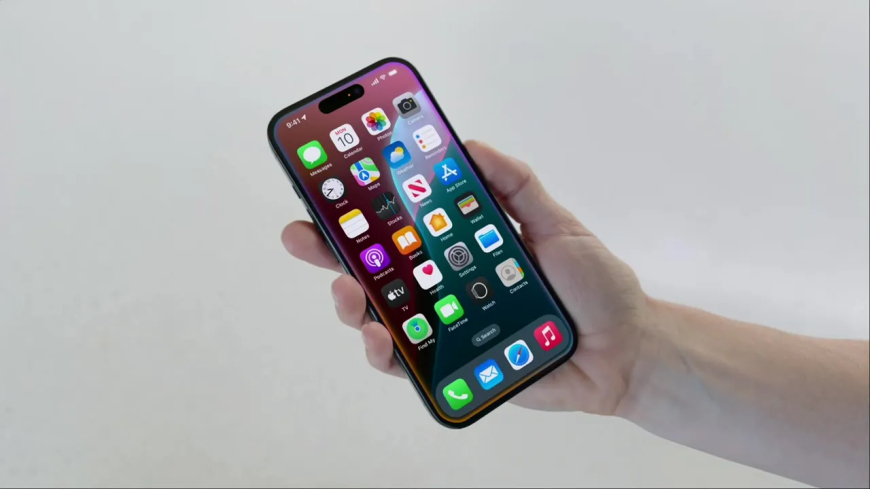
Apple has introduced a new security feature for select models of its latest iPhones and iPads that makes it harder for law enforcement agencies, intelligence services, and malicious actors to obtain exact location data from mobile network operators.
According to Apple, the feature, when enabled, reduces the precision of location data that iPhones and cellular-enabled iPads share with a user's mobile carrier. Instead of transmitting highly accurate location details, such as a specific street address, devices will share broader location information, such as a general neighbourhood, a change Apple says is designed to strengthen user privacy.
Apple emphasised that enabling the feature does not affect how precisely location data is shared with apps, nor does it interfere with information provided to emergency services during an emergency call.
The new "limit precise location" feature is supported on the iPhone Air, iPhone 16e, and the iPad Pro (M5) Wi-Fi + Cellular when running iOS 26.3. It is currently available on a limited number of carrier networks worldwide, including Telekom in Germany, AIS and True in Thailand, EE and BT in the United Kingdom, and Boost Mobile in the United States.
Apple has not publicly explained the motivation behind the change, and an Apple spokesperson declined to comment when contacted.
The feature arrives amid growing concerns about how frequently law enforcement agencies access location data from cellular providers, either to track individuals in real time or to reconstruct their movements over extended periods.
Mobile carriers are also frequent targets for hackers seeking access to sensitive customer data. Over the past year, several major U.S. telecom companies, including AT&T and Verizon, disclosed persistent breaches linked to a China-backed hacking group known as Salt Typhoon, which targeted phone call logs and messages associated with senior U.S. officials.
Beyond recent incidents, long-standing weaknesses in global cellular infrastructure have enabled surveillance firms to monitor individuals' location data worldwide.
While telecom providers can estimate a phone's approximate location, the device itself contributes to the accuracy of that data, explained Gary Miller, a mobile security expert, Citizen Lab researcher, and senior director of network intelligence at iVerify.
"Most people aren't aware that devices can send location data outside of just apps," Miller said. "While devices can restrict GPS access at the app level, they historically haven't been able to fully lock down precise location disclosure to the network."
Miller added that Apple's move, though currently limited to a small number of carrier partners, represents progress. "Apple's feature is a step in the right direction in giving users more meaningful privacy controls," he said.
What's Your Reaction?
 Like
0
Like
0
 Dislike
0
Dislike
0
 Love
0
Love
0
 Funny
0
Funny
0
 Angry
0
Angry
0
 Sad
0
Sad
0
 Wow
0
Wow
0