




































Global smartphone shipments may face sharp decline due to memory chip shortage
A global shortage of memory chips could trigger the biggest drop in smartphone shipments in more than a decade as manufacturers struggle with component supply constraints.
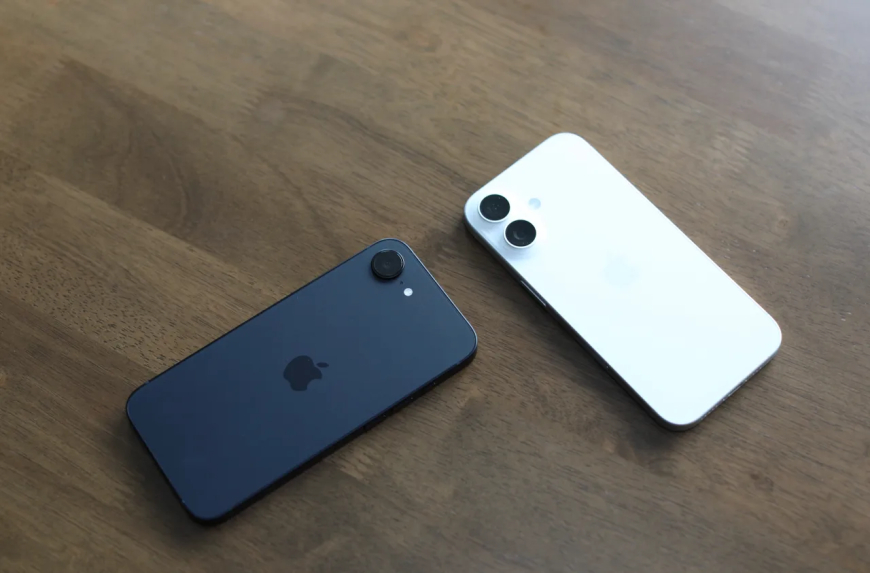
A surge in demand for computers and data centres that power AI is triggering a severe RAM shortage, pushing memory prices sharply higher. Now IDC warns the squeeze could hit phones next: the analyst firm predicts global smartphone shipments will fall 12.9% this year, the largest single-year decline in more than a decade. Within hours of IDC publishing its outlook, Counterpoint issued a closely aligned forecast, predicting a 12% drop in the market this year.
IDC previously reported that handset makers shipped about 1.26 billion smartphones in 2025. The firm now expects that total to slip to roughly 1.12 billion this year.
“The memory crisis will cause more than a temporary decline; it marks a structural reset of the entire market, fundamentally reshaping the long-term TAM [total addressable market], the vendor landscape, and the product mix,” Nabila Popal, senior research director with IDC’s Worldwide Quarterly Mobile Phone Tracker, said in a statement.
Popal also said the memory shortage is expected to push the average retail price of a smartphone higher by around 14%.
“We expect consolidation as smaller players exit, and low-end vendors face sharp shipment declines amid supply constraints and lower demand at higher price points. Although shipments will witness a record drop, smartphone ASP [average selling price] is projected to rise 14% to a record $523 this year,” she added.
She further warned that rising component costs could make the sub-$100 smartphone category “permanently uneconomical,” potentially forcing out manufacturers that depend on producing devices at that ultra-low price point.
IDC said the impact won’t be evenly distributed. It expects shipments in the Middle East and Africa to decline by more than 20% year-over-year. China is also forecast to see a downturn, while the broader Asia Pacific region (excluding Japan) is projected to fall 13.1%, with China down 10.5%.
IDC added that it expects RAM pricing to stabilise by mid-2027.
Counterpoint, meanwhile, said premium devices should hold up better, but the sub-$200 segment could take a much bigger hit, with shipments down 20%.
“The impact is expected to continue through H2 2027, as it will take several quarters for memory supply expansion to materialise. Lower-end smartphones are likely to be most affected, especially as LPDDR4 supply is shrinking faster than expected. OEMs are already responding with launch delays, streamlined portfolios, and specification trade-offs. We have also observed 10% to 20% price increases across some Android OEM portfolios in January 2026,” Principal Analyst Yang Wang said.
Counterpoint also expects pricing swings in new handsets to accelerate growth in the second-hand phone market.
Earlier this year, Nothing co-founder and CEO Carl Pei issued a similar warning that smartphones would get more expensive in 2026 as memory costs rise. “Brands now face a simple choice: raise prices by 30% or more in some cases, or downgrade specs. The ‘more specs for less money’ model that many value brands were built on is no longer sustainable in 2026,” he said. “As a result, some markets, particularly entry and mid-tier segments, are likely to shrink by 20% or more, and brands that have historically dominated these segments will struggle,” Pei added.
What's Your Reaction?
 Like
0
Like
0
 Dislike
0
Dislike
0
 Love
0
Love
0
 Funny
0
Funny
0
 Angry
0
Angry
0
 Sad
0
Sad
0
 Wow
0
Wow
0