
























Tesla discloses two Robotaxi crashes linked to remote teleoperators
Tesla has revealed two Robotaxi crashes involving teleoperators, raising new questions about the safety of autonomous driving and remote vehicle assistance systems.
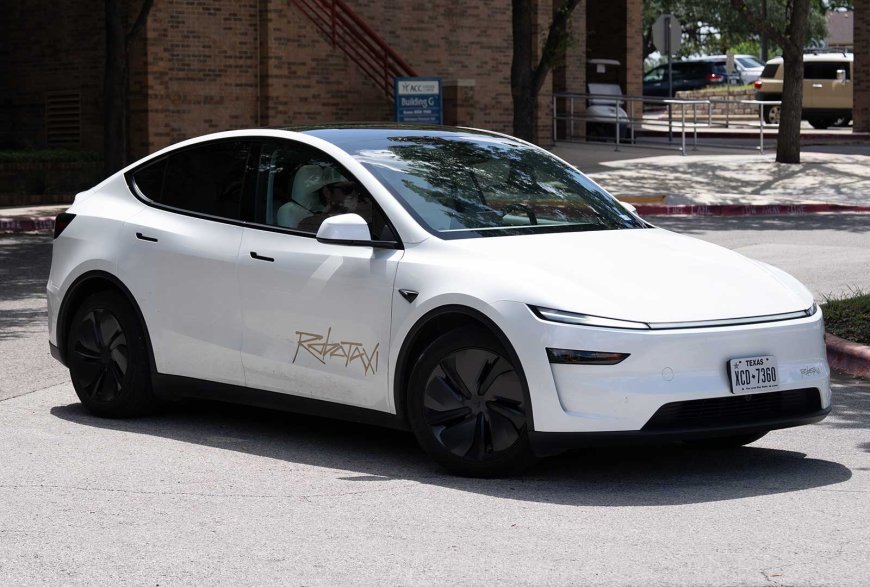
Tesla has disclosed that at least two of its Robotaxi vehicles crashed while being remotely operated by teleoperators, according to newly unredacted crash information submitted to the National Highway Traffic Safety Administration (NHTSA).
The incidents took place in Austin, Texas, and both occurred at relatively low speeds. Tesla stated that no passengers were inside the vehicles during either crash, though a safety monitor was seated behind the wheel in both cases.
The newly available details provide a closer look at how Tesla's early-stage Robotaxi network is operating and how the company uses remote assistance when its autonomous driving system encounters difficulties. Earlier this year, Tesla told lawmakers that remote operators may control one of the company's vehicles as long as the vehicle's speed remains below 10 miles per hour. Tesla explained that the feature allows the company to move vehicles that may become stuck or blocked without waiting for a field technician or emergency responder to retrieve them physically.
"This capability enables Tesla to promptly move a vehicle that may be in a compromising position, thereby mitigating the need to wait for a first responder or Tesla field representative to recover the vehicle manually," the company said at the time.
Like all companies testing autonomous driving systems on public roads, Tesla is required to report crash data to the NHTSA. However, unlike many other autonomous vehicle companies, Tesla had previously redacted crash descriptions from public filings, arguing that the information qualified as confidential business material.
That changed this week when updated NHTSA data revealed detailed narrative descriptions for all 17 crashes Tesla has reported involving its Robotaxi network since last year. One of the newly detailed incidents occurred in July 2025, shortly after Tesla began operating Robotaxis in Austin.
According to the filing, the vehicle's automated driving system encountered difficulty moving forward while stopped on a street. A safety monitor then requested assistance from Tesla's remote operations team. A teleoperator subsequently took over control of the vehicle remotely and attempted to navigate it forward.
The filing states that the teleoperator "gradually increased vehicle speed and turned the Tesla ADS left toward the left side of the street."
The remotely controlled vehicle then drove onto a curb and collided with a metal fence.
A second incident occurred in January 2026 under similar circumstances.
Tesla said the Robotaxi's automated driving system was driving straight along a street when the safety monitor requested remote navigation assistance.
The teleoperator assumed control while the vehicle was stopped and then drove it forward. According to Tesla's report submitted to the NHTSA, the vehicle then struck a temporary construction barricade while travelling at approximately 9 miles per hour.
The filing described the incident by stating:
"The Tesla vehicle made contact with a temporary barricade for a construction site at approximately 9MPH, scraping the front-left fender and tyre." The newly released crash data also revealed details about other incidents involving Tesla Robotaxis. Similar to companies such as Waymo, many of the reported crashes involved Tesla vehicles being struck by other road users rather than causing the collisions themselves.
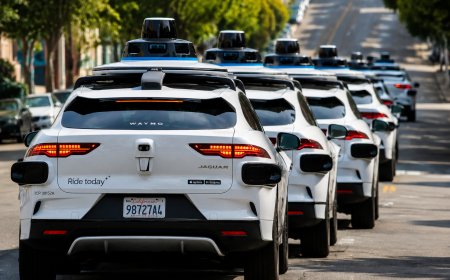
However, some incidents involved the Robotaxi system making contact with nearby objects or vehicles. In at least two cases, Tesla Robotaxis clipped the side mirrors of other vehicles while passing.
Another crash in September 2025 involved a Tesla Robotaxi that could not avoid hitting a dog that ran into the roadway. Tesla stated in its report that the dog escaped after the incident.
In a separate September 2025 event, a Tesla Robotaxi made an unprotected left turn into a parking lot and collided with a metal chain.
The incident comes after the NHTSA recently closed a separate investigation into Tesla's Full Self-Driving software, which examined reports of vehicles colliding with parking lot chains, bollards, and gates. Waymo also previously issued a recall tied to similar issues involving stationary barriers. Although companies such as Waymo and Zoox have reported a higher overall number of crashes, Tesla's Robotaxi operation is still operating on a much smaller scale than those competitors.
The newly unredacted crash descriptions may also shed light on why Tesla has been expanding its autonomous ride-hailing service cautiously.
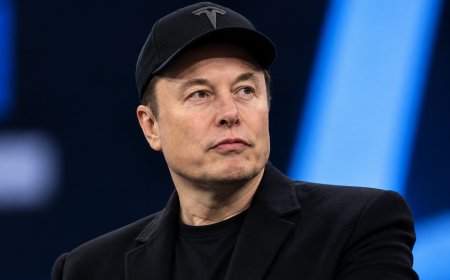
Last month, Tesla CEO Elon Musk acknowledged that safety remains the primary limiting factor in the company's Robotaxi rollout. "Making sure things are completely safe" is currently the biggest challenge slowing the network's expansion, Musk said, adding that Tesla is proceeding "very cautiously" with deployment efforts.
Tags:
What's Your Reaction?
Like
0
Dislike
0
Love
0
Funny
0
Angry
0
Sad
0
Wow
0