
































Waymo to repurpose retired robotaxi batteries for grid energy storage
Waymo plans to give retired robotaxi batteries a second life by using them for grid energy storage, supporting renewable energy and battery sustainability efforts.
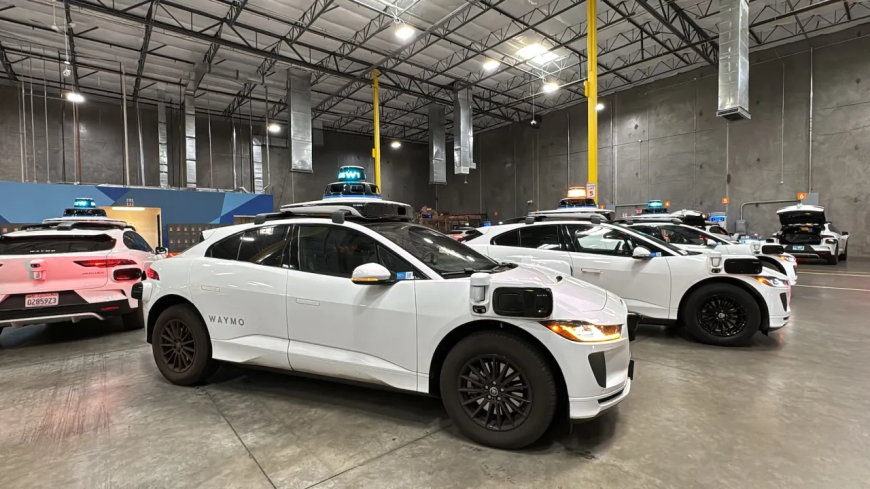
Waymo has agreed with energy storage company B2U to remove batteries from retired robotaxis and repurpose them for use in electricity storage systems serving power grids in California and Texas.
The partnership offers insight into how Waymo intends to manage batteries from its growing fleet of autonomous vehicles once they reach the end of their operational life on the road. As the company continues to expand robotaxi services across multiple U.S. cities, questions have emerged about the long-term sustainability of the vehicles and components that support those operations.
At present, the vast majority of Waymo’s robotaxi fleet consists of electric Jaguar I-Pace vehicles equipped with the company’s self-driving technology. More recently, Waymo has also begun deploying a limited number of autonomous vans produced by Chinese automaker Zeekr as part of its next-generation transportation strategy.
Under the new arrangement, batteries that are no longer suitable for vehicle use will be redirected to stationary energy storage applications rather than being recycled or discarded immediately. These second-life batteries can retain significant storage capacity, making them useful for supporting electricity grids and managing energy demand.
Waymo said the partnership is expected to contribute “hundreds of megawatts of storage capacity.” However, the company did not provide additional details regarding deployment timelines, project locations, or the exact number of batteries involved.
The agreement reflects a broader trend emerging within the electric vehicle industry, where companies are increasingly exploring battery repurposing as an alternative to direct recycling. While recycling remains an important part of battery lifecycle management, many organisations believe used EV batteries can continue to provide value through stationary energy storage before their materials are ultimately recovered.
B2U is among a growing group of companies focused on extending the useful life of batteries through repurposing programs. By converting retired vehicle batteries into energy storage systems, companies hope to reduce waste, improve resource efficiency, and support the growing demand for renewable energy infrastructure.
The concept has gained momentum as electric vehicle adoption accelerates worldwide and larger numbers of batteries begin reaching the end of their automotive service lives. Instead of immediately dismantling batteries for raw materials, second-life storage projects seek to extract additional years of utility from the technology.
Waymo is not alone in pursuing this strategy. Other companies operating in the battery and clean energy sectors have also begun investing in second-life energy storage solutions.
One notable example is Redwood Materials, the battery recycling and materials company founded by former Tesla Chief Technology Officer JB Straubel. Redwood, which counts Alphabet, the parent company of Waymo, among its supporters, recently expanded into the battery-repurposing market by launching its own energy storage business built around used electric-vehicle batteries.
The growing interest in battery reuse highlights a broader effort within the transportation and energy industries to improve sustainability across the entire lifecycle of electric vehicles. As fleets of autonomous and electric vehicles continue to expand, the ability to repurpose batteries for grid support could become an increasingly important component of long-term energy and environmental strategies.
For Waymo, the partnership with B2U represents another step toward addressing the operational challenges associated with scaling autonomous transportation. Beyond vehicle deployment and self-driving technology, the company is also beginning to establish pathways for managing critical components after their road service ends. While details about the project’s size and timing remain limited, the initiative signals that retired robotaxi batteries may continue to play a valuable role long after their driving careers are over, helping support power grids and energy storage infrastructure across key U.S. markets.
What's Your Reaction?
 Like
0
Like
0
 Dislike
0
Dislike
0
 Love
0
Love
0
 Funny
0
Funny
0
 Angry
0
Angry
0
 Sad
0
Sad
0
 Wow
0
Wow
0