

























Kevin Weil Joins Stoke Space Board After OpenAI Leadership Role
Former OpenAI executive Kevin Weil has joined the Stoke Space board of directors, bringing years of product leadership and technology expertise as the reusable rocket startup prepares for the next phase of growth.
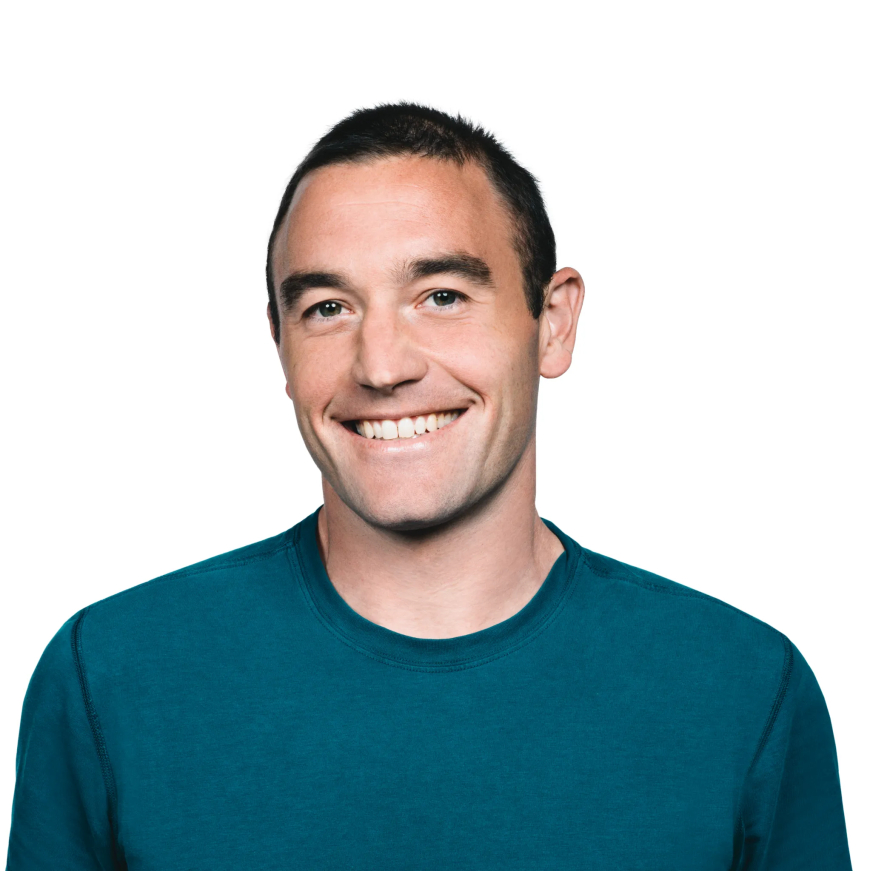
Kevin Weil, a longtime technology executive whose career includes leadership roles at Twitter, Meta, Planet Labs, and OpenAI, has joined the board of directors at Stoke Space, the Seattle-based aerospace startup developing fully reusable rockets to compete with SpaceX.
Stoke Space CEO Andy Lapsa said his relationship with Weil dates back to 2020, when he co-founded the company and shortly afterwards became part of Y Combinator’s winter startup batch. Reflecting on those early days, Lapsa said he entered the startup world with a strong engineering background but very little experience raising capital or navigating Silicon Valley. Weil, who became one of the company’s earliest investors through Scribble Ventures alongside his wife Elizabeth, provided guidance on fundraising, networking, and building the business during its formative stages.
The relationship continued as Stoke Space secured approximately $1.34 billion in funding, including a $510 million Series D investment completed in 2025, to support the development of its rapidly reusable rocket, which the company hopes to fly for the first time this year. With the business entering its next stage of growth, Weil has now officially joined the board to help guide the company as it scales. Stoke Space declined requests to make Weil available for interviews.
Throughout his career, Weil has primarily focused on digital platforms and technology products, an area that does not immediately appear connected to Stoke Space’s rocket development programme. Most recently, he led OpenAI’s initiative to accelerate scientific research before departing the company in April, after those efforts were expanded across the broader organisation. Before that, he served as OpenAI’s Chief Product Officer from June 2024 until October 2025.
Weil’s appointment has also revived speculation surrounding OpenAI’s interest in the aerospace sector. Reports last year suggested that OpenAI CEO Sam Altman had explored investing in Stoke Space as part of a potential challenge to SpaceX. Asked whether Weil could help strengthen ties between Stoke Space and OpenAI, Lapsa declined to discuss what he described as “gossip and rumours,” saying Weil’s responsibilities are centred entirely on supporting Stoke Space’s long-term growth.
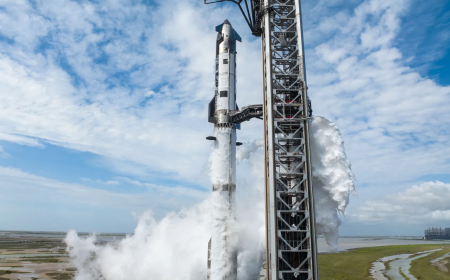
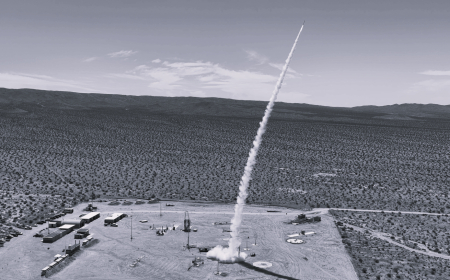
The company is developing Nova, a launch vehicle designed to be fully reusable and capable of flying repeated missions with minimal refurbishment between launches. Achieving complete rocket reusability remains one of the most difficult challenges in the space industry. SpaceX has come closest with its Starship programme, while the technical demands of surviving the intense heat generated during atmospheric re-entry have discouraged many competitors. Even Blue Origin, where Lapsa previously worked, has explored similar concepts without making them its primary development focus.
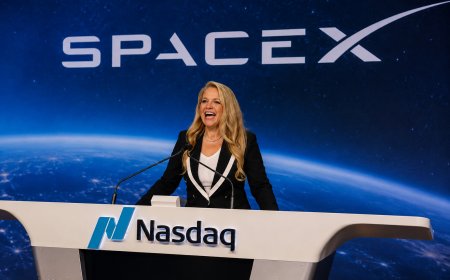
The commercial landscape has shifted considerably, however. SpaceX’s highly successful stock market debut, supported in part by Elon Musk’s expectations that Starship will begin regular operational missions this year, has reinforced confidence in the long-term value of reusable launch systems. Despite billions of dollars invested in the space industry, demand for launch capacity continues to exceed supply, creating significant opportunities for companies capable of delivering affordable, frequently reusable rockets.
According to Lapsa, the industry has increasingly recognised that launch technology still has considerable room for improvement. He noted that when Stoke Space first embraced the concept of complete, rapid rocket reusability, many viewed the idea as overly ambitious. Today, he said, that vision has become far more widely accepted, with growing recognition that fully reusable launch systems represent the industry’s future.
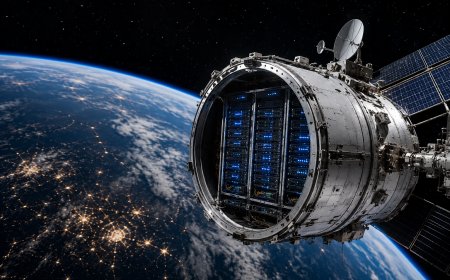
Another area generating increasing interest is the concept of constructing distributed data centres in orbit, where operators could take advantage of continuous solar energy while reducing dependence on political and geographical constraints on Earth. Venture capital investors have shown growing enthusiasm for the idea, although the cost of transporting computing hardware into space remains one of the biggest obstacles. Lapsa believes that such projects become economically viable only when supported by fully and rapidly reusable rockets, potentially giving Stoke Space an important competitive advantage as Nova enters service.
Government and defence contracts are also expected to play an important role in the company’s future growth. Weil brings relevant experience in this area, having previously joined the U.S. Army Reserve alongside three other technology leaders as part of an initiative to strengthen collaboration between the military and the technology sector and improve recruitment. His experience within the space industry also extends beyond OpenAI. Before joining the AI company, Weil served as President of Planet Labs for three years, helping lead the satellite imaging business through its public market debut in 2021.
While Weil is expected to contribute strategic guidance as Stoke Space moves closer to commercial launches, Lapsa emphasised that the company’s long-term success will ultimately depend on execution. He acknowledged that significant technical challenges have already been overcome. However, he said important work still lies ahead, adding that the team will continue working towards its first operational launch and proceed only when the rocket is fully ready.
What's Your Reaction?
 Like
0
Like
0
 Dislike
0
Dislike
0
 Love
0
Love
0
 Funny
0
Funny
0
 Angry
0
Angry
0
 Sad
0
Sad
0
 Wow
0
Wow
0