

































FAA Directs SpaceX to Review Starship V3 Booster Malfunction
The FAA has ordered SpaceX to investigate the failure of the Starship V3 booster during Flight 12. The probe will examine the cause of the mishap before future Starship launches can proceed.
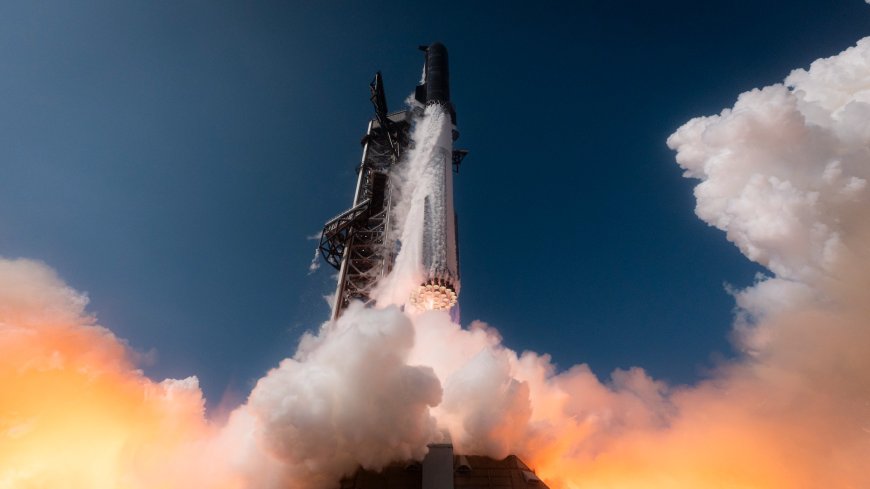
The Federal Aviation Administration (FAA) has directed SpaceX to conduct a formal investigation into the failure of its Super Heavy booster during the Starship Flight 12 test mission on May 22, according to a statement issued by the agency on Wednesday.
The requirement means SpaceX will be unable to proceed with additional Starship test launches until the investigation is complete and the FAA reviews and approves the company’s findings. The delay could significantly reduce the likelihood of another Starship launch before SpaceX’s widely anticipated IPO later this month.
SpaceX did not immediately provide a comment regarding the FAA’s decision.
In its statement, the FAA said it determined that the May 22 launch resulted in a mishap involving the Super Heavy booster during its return flight toward the Gulf of America after stage separation. The agency noted that no injuries or damage to public property were reported as a result of the incident.
“The FAA will oversee the SpaceX-led investigation, participate throughout the process, and review the company’s final report, including any proposed corrective actions,” the agency stated.
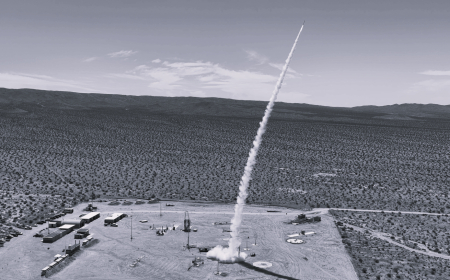
The booster issue occurred only minutes after liftoff during the first flight of SpaceX’s upgraded Starship V3 rocket system. The mission initially progressed as planned, with the vehicle successfully passing through maximum dynamic pressure and continuing toward space.
After reaching the intended point, the Starship upper stage separated from the Super Heavy booster. The booster was then expected to perform a controlled return manoeuvre and conduct a simulated splashdown in the Gulf.
While stage separation was successful, the booster encountered what appeared to be an engine malfunction, or potentially multiple engine failures, during the burn required to guide it back toward SpaceX’s launch facilities in South Texas. Unable to complete the manoeuvre properly, the booster lost stability, tumbled toward the water, and likely exploded upon impact.
The V3 version of Starship incorporates numerous design changes intended to improve reliability and performance. SpaceX introduced modifications to the booster structure, installed new third-generation Raptor engines, and upgraded several systems on the Starship spacecraft itself.
The mission was not entirely free of issues for the upper-stage vehicle either. Following the separation, Starship lost one of its six Raptor engines. The problem ultimately forced SpaceX to abandon one of the flight’s planned objectives: an additional in-orbit engine burn.
SpaceX has long maintained that failures are an expected part of the development process for Starship. The company’s broader goal remains the creation of a fully reusable launch system similar to Falcon 9 but capable of carrying significantly larger payloads into space.
Achieving reliable reusability is central to SpaceX’s long-term strategy. The company has emphasised in public filings that Starship will play a critical role in reducing launch costs and supporting the continued expansion of Starlink, its satellite internet network. Starlink remains SpaceX’s largest source of revenue and currently its only consistently profitable business segment.
This is not the first time the FAA has required a mishap investigation during Starship’s development program. Several previous Starship test flights have undergone similar reviews following launch anomalies or vehicle failures.
The agency has also required the competitor Blue Origin to conduct comparable investigations while developing its New Glenn heavy-lift rocket.
Earlier this month, the FAA approved Blue Origin’s New Glenn vehicle to return to flight operations following its own review process. Blue Origin is expected to attempt the rocket’s fourth launch within the coming weeks.
As SpaceX continues refining Starship, the outcome of this latest FAA investigation will likely determine when the company can resume testing of the world’s most powerful rocket system.
What's Your Reaction?
 Like
0
Like
0
 Dislike
0
Dislike
0
 Love
0
Love
0
 Funny
0
Funny
0
 Angry
0
Angry
0
 Sad
0
Sad
0
 Wow
0
Wow
0