




























Investors in SpaceX SPVs May Not Learn Actual Ownership Stakes Until IPO Lock-Up Periods End
Investors participating in SpaceX special purpose vehicles (SPVs) may face delays in understanding their true ownership positions. Lock-up restrictions following a potential IPO could limit transparency until shares become transferable.
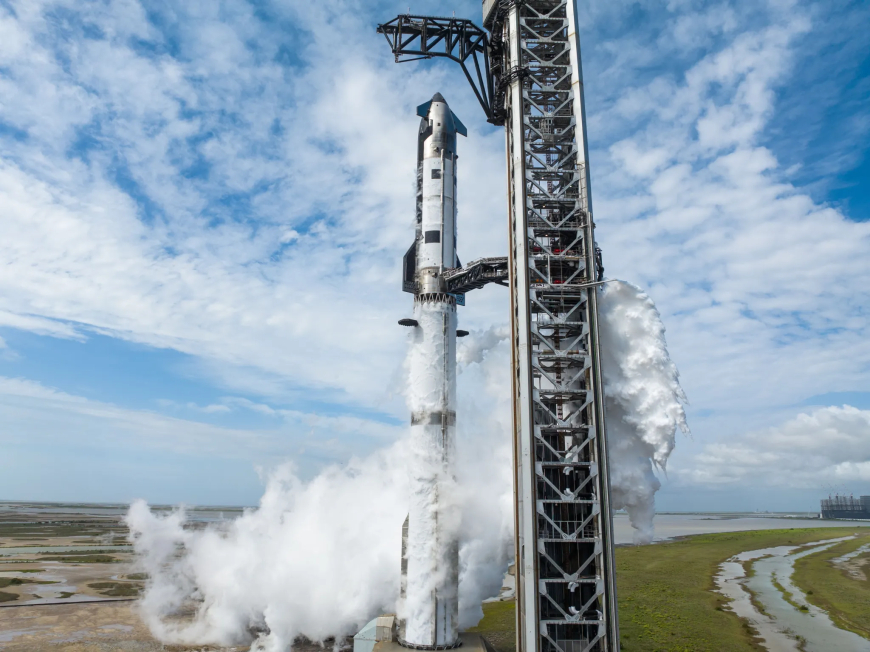
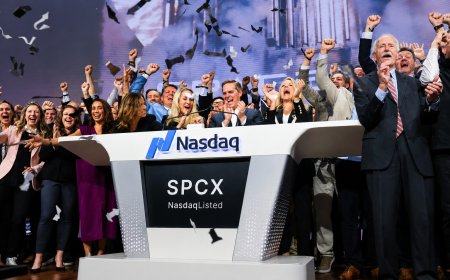
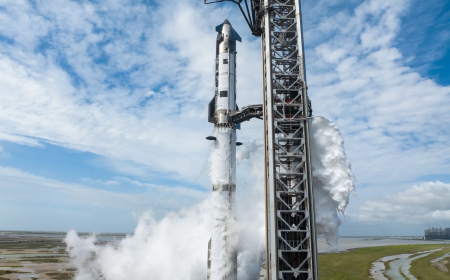
SpaceX is set to make its public market debut on Friday. Still, some investors who gained exposure to the company through special purpose vehicles (SPVs) remain uncertain about how many shares they are actually entitled to receive — or whether they will receive any shares at all.
SPVs, which allow multiple investors to pool capital into a single investment vehicle targeting a company, have existed for years. However, SpaceX presents a unique situation due to the number of layered SPV structures tied to its shares. As demand for SpaceX allocations surged in recent years, investors participating in one SPV occasionally created additional SPVs based on those holdings, resulting in structures that, in some cases, extend four or five layers deep.
The SpaceX public offering is expected to become the first significant test of the viability and legitimacy of these multi-layer SPV arrangements. In recent months, both Anthropic and Anduril have stated that they do not permit such structures.
According to nearly a dozen SPV managers and secondary-market participants, investors positioned in lower-tier SPVs could ultimately discover they own fewer shares than anticipated. In some uncommon situations, they may find that they are not entitled to any shares at all.
For many of these investors, the actual number of SpaceX shares they own may remain unclear until the company’s rolling lock-up periods, which are expected to expire over approximately four months, begin to expire. Sources indicated that SPV managers generally cannot distribute shares to investors until they themselves gain access to the underlying stock. Lock-up agreements are designed to prevent insiders — including employees, friends and family members, and venture investors — from selling shares immediately after an IPO, reducing the risk of excessive selling pressure.
Justin Ernest, founder and managing partner of Sabertooth Capital, a firm that primarily invests in first-layer SPVs, explained that the initial SPV layer will have up to 30 days to distribute shares to its investors. As a result, investors in the next layer may wait another month before receiving stock, while those further down the chain could face even longer delays. Ernest estimates that investors at the lowest levels of these structures may not receive their final share allocations for as long as eight or nine months.
One secondary market investor, who requested anonymity, said investors involved in particularly complex multi-layer SPVs could be surprised to discover that portions of their anticipated holdings have been reduced by fees collected throughout the SPV structure.
Ideally, SPV managers maintain communication with investors from the time of the IPO onward. However, the investor noted that the process becomes increasingly difficult as each layer depends on information from the layer above it.
“The problem is you have a communication train with each person only knowing what’s going on in the layer above them,” the secondary investor said.
As a result, ownership structures within some of these vehicles have become so complicated that even sponsors acting in good faith may unintentionally provide inaccurate information to investors.
For investors in downstream SPVs, one of the most significant concerns is the possibility that they may not receive any SpaceX shares at all.
The concern is not entirely theoretical. Giovanni Pennetta, manager of Sestante Capital, was recently sentenced to four years in prison after fabricating access to non-existent allocations at the defence technology company Anduril.
Naturally, some investors worry that Pennetta may not be the only sponsor who engaged in deceptive practices. Investors at the lowest levels of layered SPVs effectively needed to verify that every manager involved in the chain above them was legitimate. Given the complexity of these arrangements, however, some buyers may not have thoroughly vetted every level of the structure.
Last month, Nick Davidov, founder of venture firm Davidovs Venture Collective, shared an example on X about an investor who purchased exposure to SpaceX via a two-layer SPV in 2021.
“A friend just shared in confidence – they bought SpaceX through a 2-layer SPV in 2021. The returns are supposed to be worth any fees; the only problem is that the SPV manager stopped responding to emails or calls,” Davidov wrote. According to his post, the investor had not received any communication from the SPV manager for roughly a year.
Idan Miller, managing partner at secondary market platform Unicorns Exchange, believes additional questionable actors could come to light as lock-up periods expire and share distributions begin.
“Once the lock-up of the shares is removed and these SPVs start selling the shares, there will be some vehicles that will be revealed as scammers or fraud,” Miller said.
What's Your Reaction?
 Like
0
Like
0
 Dislike
0
Dislike
0
 Love
0
Love
0
 Funny
0
Funny
0
 Angry
0
Angry
0
 Sad
0
Sad
0
 Wow
0
Wow
0