































Substack Launches AI Detection Tool to Identify AI-Written Newsletters
Substack has introduced an AI detection feature powered by Pangram, allowing readers to estimate how much of a newsletter or post was written by AI.
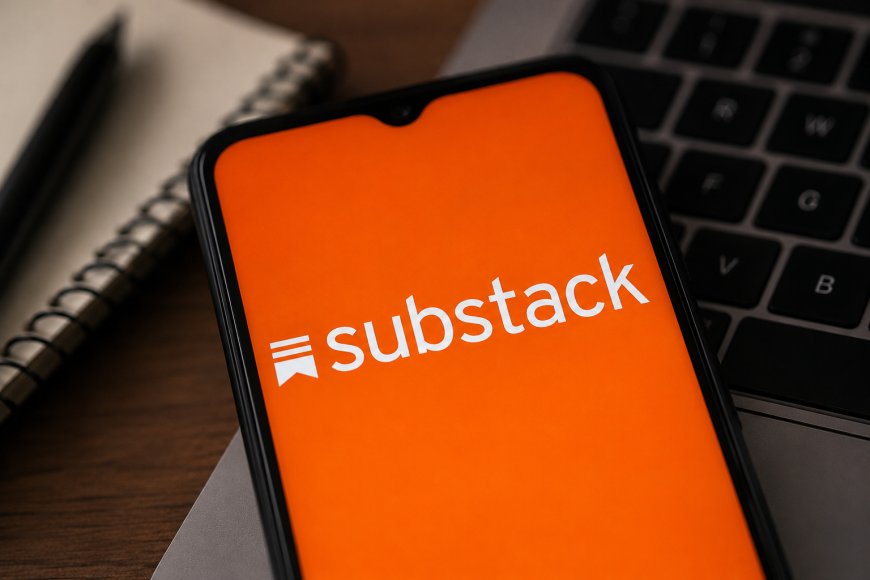
Substack has introduced a new artificial intelligence detection feature that allows readers to estimate how much of a newsletter, post or comment was written by AI. The tool, developed through a partnership with AI writing detection company Pangram, is designed to increase transparency around AI-assisted content rather than discourage creators from using the technology.
The new feature arrives as AI-generated writing becomes increasingly common across digital publishing platforms. By giving readers greater visibility into how content is created, Substack hopes to strengthen trust in its ecosystem of independent writers while encouraging more open disclosure of AI use.
Pangram integration brings AI detection to Substack
The feature is available within the Substack app and enables users to scan posts, Notes, comments and replies containing more than 100 characters. After analysing the text, Pangram provides an estimate of how much was likely written by a human and how much may have been generated using artificial intelligence.
Although the feature could reveal that some newsletters rely heavily on AI-generated content, Substack believes greater transparency will ultimately benefit both readers and publishers. The company says the goal is not to shame writers or restrict the use of AI, but to provide readers with additional context about the content they consume.
The move also reflects a broader industry trend. Social media platforms increasingly label AI-generated images and videos, while music streaming services have begun identifying and, in some cases, limiting AI-created music. Substack’s latest feature extends similar transparency to written content.
Company wants writers to disclose AI use.
Substack Chief Executive Officer Chris Best said the company continues to believe that the most valuable part of writing is the original idea behind it. Speaking during an online discussion with Pangram founder Max Spero, Best explained that software can assist with many aspects of publishing, but generating ideas that readers genuinely value remains the responsibility of human creators.
To encourage openness, Substack will allow writers to include an optional AIauthor’ss note alongside their posts. The feature enables creators to explain how artificial intelligence contributed to their work, giving readers greater insight into the writing process.
Rather than penalising AI-assisted writing, the platform hopes more authors will voluntarily include a “how I make this” statement describing how they researched, wrote and edited their content.
Creators retain control over AI detection results.
Substack is also giving publishers access to Pangram before publication. Writers can analyse drafts to understand how the detection system evaluates their work and identify sections that may incorrectly appear AI-generated.
If creators believe a scan has produced inaccurate results, they will be able to report the issue and request the removal of scans associated with their own content. This approach is intended to balance transparency with fairness, recognising that AI detection tools are estimates rather than definitive judgments.
While the feature could expose newsletters that rely extensively on artificial intelligence, it may also help reduce the spread of low-quality“AI slop” across the platform. By making AI usage more visible instead of banning it, Substack is positioning the new tool as a way to build reader confidence while supporting responsible use of generative AI in digital publishing.
What's Your Reaction?
 Like
0
Like
0
 Dislike
0
Dislike
0
 Love
0
Love
0
 Funny
0
Funny
0
 Angry
0
Angry
0
 Sad
0
Sad
0
 Wow
0
Wow
0