


































Meta’s Muse Image AI Generator Faces Privacy Backlash Over Public Instagram Photos
Meta has launched its new Muse Image AI generator. Still, the feature is drawing criticism for how public Instagram photos can be used to create AI-generated images, raising fresh privacy and consent concerns.

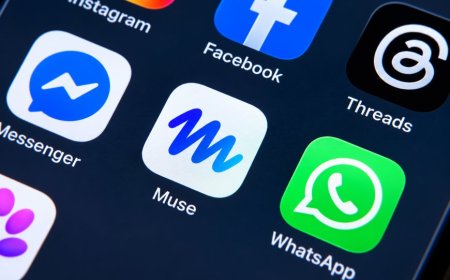
Meta on Tuesday introduced Muse Image, its latest AI-powered image generation model developed by Meta Superintelligence Labs, the company’s dedicated artificial intelligence division. Internally known by the codename Mango, the new feature is now available at no cost through the Meta AI app, as well as within Instagram Stories and WhatsApp.
However, the launch has already sparked criticism.
Muse offers capabilities similar to those found in many other AI image generators, allowing users to create a wide variety of stylised and imaginative images, including playful cartoon-style artwork and other AI-generated visuals.
For users who struggle to come up with their own prompts, Meta says Muse includes built-in “presets”—ready-made image prompts designed to inspire creativity and help users generate ideas more easily.
One feature attracting particular attention allows users to transform another person’s Instagram photos using AI, provided that the individual has a public profile. By simply tagging the user, Muse can access their image and use it as the basis for generating a new AI-created picture.
Reacting after The Verge highlighted the feature, one user on X described it as a serious privacy concern, writing, “Pulling real users into generated photos without explicit consent is a privacy landmine waiting to detonate.”
According to Meta’s policy, “people may be able to create content with your Instagram content using AI features at Meta,” and it also notes that “you will not be notified about content created using AI features at Meta.”
Meta maintains that users remain in control of the feature, noting that settings are available to opt out of using their images for AI-generated content.
Beyond the controversial photo functionality, Muse includes several other applications. One example is the creation of customised advertisements, reflecting AI’s expanding role in digital marketing over the past year. Another feature enables users to experiment with home decorating ideas. In one promotional demonstration, a user uses Muse to visualise how a second-hand sofa would appear inside a garage before making a purchase. This capability is designed to integrate directly with Facebook Marketplace, Meta’s platform for buying and selling used furniture and household items.
Muse also includes prompt-based image-editing tools that allow users to modify existing images and create new visuals for sharing across Meta’s apps and services.
The company says users can “ask it to mock up an image of you in front of a historical landmark, cleanly erase a photobomber from the background of a shot, or write a custom prompt to build a functional QR code.”
At the same time, Meta is introducing a range of new AI-powered effects for Instagram Stories, using Muse as the underlying technology. Those additions include customisable filters that can alter existing photos—bringing renewed attention to the same platform where concerns about AI photo tagging have already emerged.
Meta says Muse will remain free for everyday image creation, although users who exceed certain usage limits will need to subscribe to a paid plan.
The company also revealed that Muse Video, expected to serve as an AI-powered video-generation tool, is already under development.
Over the past year, Meta has continued expanding its AI portfolio with the release of several new products and services, including an AI assistant known as Creator and Pocket, an application designed to help users vibe-code video games. Although some critics have argued that Meta’s overall AI strategy lacks a clear direction, the company remains on course to invest heavily in AI infrastructure as it continues expanding its product ecosystem.
Meta’s long-standing record on user privacy has contributed to concerns surrounding Muse. In 2019, the company agreed to pay a record-setting $5 billion fine to the U.S. Federal Trade Commission after regulators concluded that political consulting firm Cambridge Analytica had improperly collected data from tens of millions of Facebook users without their knowledge to create voter-targeting profiles ahead of the 2016 U.S. presidential election. Investigators also found that Facebook had been aware of the data misuse years before it became public.
Separately, Meta shut down Facebook’s facial recognition system in 2021 following legal challenges and mounting regulatory pressure over its collection of biometric information. The tool had automatically identified people appearing in photos and videos. Critics argue that Muse’s photo-tagging capability—which is enabled by default unless users actively opt out—reflects a broader pattern that users and regulators have questioned for years, where personal data is widely utilised unless individuals take steps to turn off the feature themselves.
What's Your Reaction?
 Like
0
Like
0
 Dislike
0
Dislike
0
 Love
0
Love
0
 Funny
0
Funny
0
 Angry
0
Angry
0
 Sad
0
Sad
0
 Wow
0
Wow
0