




































OpenAI Considers Giving 5% Equity to a US Sovereign Wealth Fund Ahead of IPO
OpenAI is reportedly considering donating 5% of its equity to a US sovereign wealth fund before its planned IPO. Learn what the proposal could mean for AI regulation, public ownership, and the future of the company.
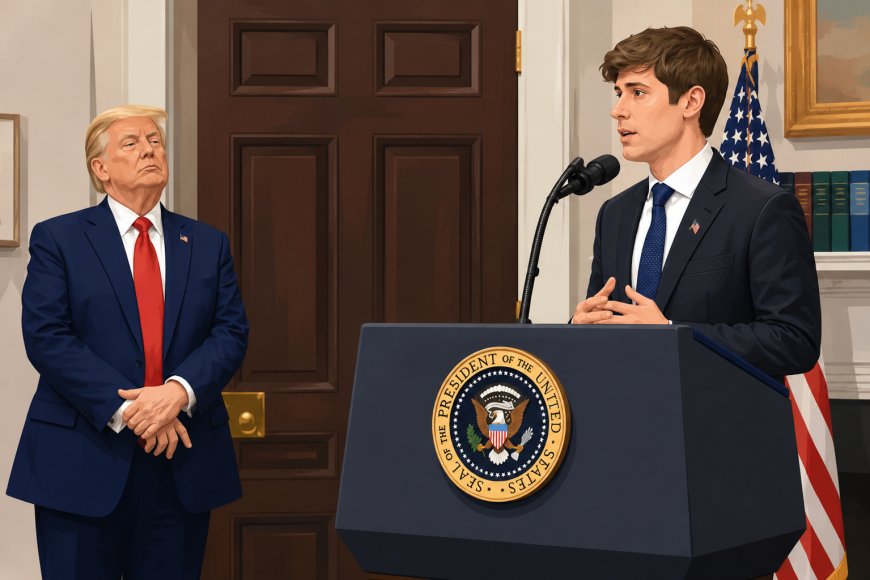
OpenAI CEO Sam Altman has reportedly proposed allocating 5% of the company’s equity to a US sovereign wealth fund, according to a report by the Financial Times, which cited two people familiar with the discussions. The proposal also envisions other artificial intelligence companies contributing similar equity stakes, although many aspects of the idea remain undefined.
According to the Financial Times, the proposed donation is intended to “secure good relations with the administration and … address political blowback.”
Reports of similar discussions first surfaced in June through CNBC and were later confirmed by President Donald Trump. At the time, Trump said he had spoken about “concepts where pieces could be given to the American public, where the American public essentially becomes a partner with the companies.” However, no specific percentage of equity was disclosed during those earlier discussions.
The conversations remain in the early stages. According to the Financial Times, any formal proposal would likely require approval from Congress, a step that could significantly complicate the process before any plan could move forward.
The concept of a public AI investment fund is not new. Altman has previously discussed the idea publicly, and OpenAI has gradually outlined more detailed proposals describing how such a fund could operate. In April, the company published a policy paper titled “Industrial Policy for the Intelligence Age,” which proposed creating a public wealth fund capable of investing directly in AI laboratories and companies developing or deploying artificial intelligence technologies.
The document states, “Returns from the Fund could be distributed directly to citizens, allowing more people to participate directly in the upside of AI-driven growth, regardless of their starting wealth or access to capital.”
A more far-reaching proposal emerged in June from Senator Bernie Sanders (I-VT), who introduced legislation calling for a one-time 50% tax on AI companies’ stock. Under his proposal, the collected shares would be placed into a public wealth fund. The legislation, known as the American AI Sovereign Wealth Fund Act, would apply to all AI companies considered “systemically important,” including businesses involved in data centres, AI infrastructure, and robotics.
The proposal also includes provisions that allow companies such as Google and SpaceX, whose operations extend beyond artificial intelligence, to spin off their non-AI businesses as independent entities to avoid the proposed tax on those assets.
At present, the legislation has not advanced beyond its initial stage and has yet to move to the committee process.
What's Your Reaction?
 Like
0
Like
0
 Dislike
0
Dislike
0
 Love
0
Love
0
 Funny
0
Funny
0
 Angry
0
Angry
0
 Sad
0
Sad
0
 Wow
0
Wow
0