



































SpaceX Spent $329 Million on Tesla Megapacks in 2026, Filing Shows
SpaceX spent $329 million on Tesla Megapacks this year, highlighting growing investment in battery storage for AI data centre operations.
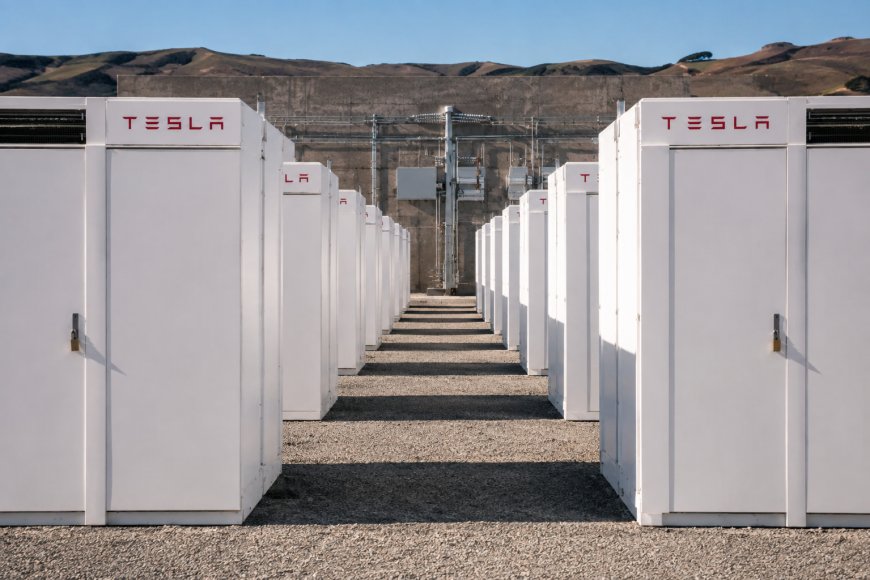
SpaceX sharply increased its purchases of Tesla Megapacks during 2026, spending $295 million on the large-scale battery systems in the second quarter and $329 million during the first half of the year, according to the company’s latest earnings report.
The purchases underscore the close ties between Elon Musk’s companies. Musk serves as chief executive and largest shareholder of SpaceX while also leading Tesla. His artificial intelligence company xAI acquired social media platform X in 2025, and earlier this year SpaceX completed its acquisition of xAI.
The industrial battery systems are expected to support SpaceX’s AI infrastructure, particularly data centres inherited through the xAI acquisition. Before merging with SpaceX, xAI had already purchased $430 million worth of Tesla Megapacks for its AI facilities. During the first quarter of 2026 alone, xAI bought an additional $34 million of the battery systems.
SpaceX’s regulatory filing also disclosed that, as of December 2025, the company had purchased $131 million worth of Tesla Cybertrucks at the manufacturer’s suggested retail price.
Battery storage plays a critical role in AI data centres
Although xAI has relied heavily on natural gas to power its computing facilities, including dozens of turbines at a site in Mississippi near the Colossus data centre project, battery storage remains an important component of AI infrastructure.
Megapacks provide nearly instantaneous backup power if electricity is interrupted, helping keep AI systems running without disruption. They also supply additional power during periods when graphics processing units (GPUs) experience sudden spikes in electricity demand while training AI models or handling inference workloads.
Unlike traditional computing facilities, AI data centres often experience rapidly changing power consumption depending on workload. Those fluctuations can increase utility costs through demand charges or place additional strain on on-site power generation.
Helping stabilise power demand
Large battery systems help smooth those peaks by storing electricity when demand is lower and releasing it when workloads increase. This reduces pressure on generators, lowers operating costs and helps ensure a stable power supply for AI operations.
The latest spending highlights the growing importance of energy storage as AI companies continue expanding computing infrastructure, with battery systems becoming an increasingly essential part of powering next-generation data centres.
What's Your Reaction?
 Like
0
Like
0
 Dislike
0
Dislike
0
 Love
0
Love
0
 Funny
0
Funny
0
 Angry
0
Angry
0
 Sad
0
Sad
0
 Wow
0
Wow
0