




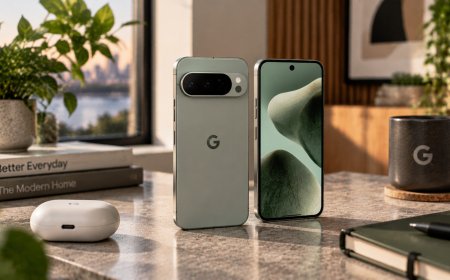




























Google Pixel 11 Series Review: Google’s AI Smartphone Vision Faces Its Biggest Test Yet
Google Pixel 11 series review covering Google’s AI-focused smartphone strategy, camera improvements, software experience, hardware upgrades, and how Pixel compares with Apple and Samsung flagship phones.
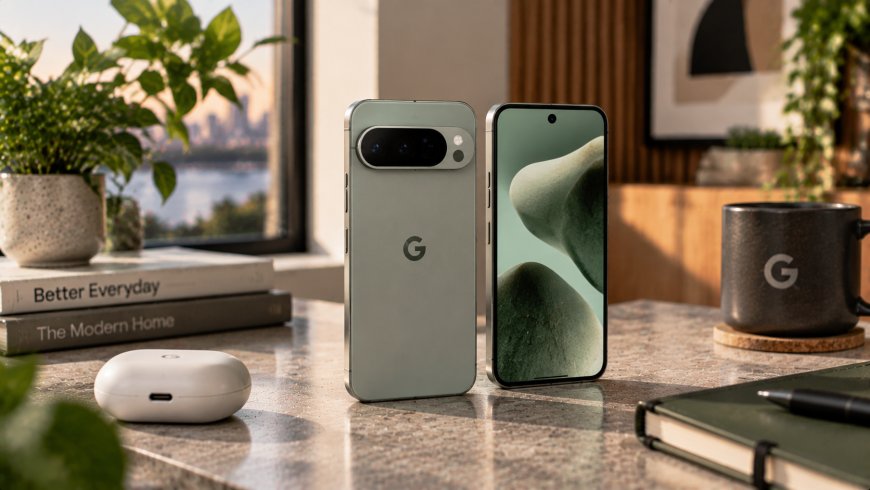
Google has spent years trying to change the way people think about smartphones. While many companies compete by adding bigger displays, faster processors, and more cameras, Google has taken a different route. The Pixel series has always been an experiment in making a phone feel smarter, using software and artificial intelligence to improve everyday tasks rather than simply adding more hardware.
The Pixel 11 series continues that approach, but it arrives at a time when the smartphone industry has become much harder to disrupt. Premium phones from Apple and Samsung are already extremely polished, and AI features that once made Pixel devices unique are now becoming a major focus across the entire industry.
Google’s latest Pixel lineup is not just a battle against other phones. It tests whether smarter software can still be a strong enough reason for people to choose one smartphone over another.
Google’s Pixel Philosophy Has Always Been Different
The Pixel series has never tried to win through specifications alone. Google’s strategy has focused on creating a phone where hardware and software work together as closely as possible.
That approach has helped Pixel stand out in areas such as photography, voice features, and smart assistance. Instead of simply giving users more options, Google has focused on reducing the effort required to complete everyday tasks.
This philosophy is becoming even more important as smartphones mature. A decade ago, every new phone generation brought obvious hardware improvements. Today, most flagship devices already have excellent cameras, powerful processors, and high-quality displays. The differences are becoming less about what a phone has and more about how intelligently it uses those capabilities.
That is where Google believes Pixel has an advantage.
The Camera Remains One of Pixel’s Strongest Arguments
Google changed the smartphone photography conversation by proving that great images are not only about camera hardware. Software processing, machine learning, and image algorithms can strongly affect the final result.
The Pixel lineup built its reputation around this idea. Instead of asking users to adjust settings manually, Google focused on creating a camera experience that could automatically produce impressive results in different situations.
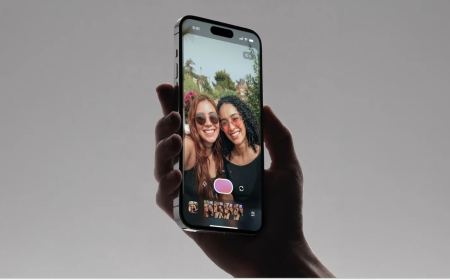
The Pixel 11 series continues that direction by improving the relationship between camera hardware and software. For everyday users, the biggest benefit is not necessarily having the most professional camera controls. It is being able to capture a photo quickly and trust that the result will look good.
That approach remains important because most smartphone photography happens in ordinary moments. People are usually not setting up perfect shots. They are capturing memories as they happen.
AI Is Google’s Biggest Opportunity and Its Biggest Challenge
Artificial intelligence is becoming the centre of the smartphone competition.
For years, companies competed through camera quality, processor performance, and display technology. Now they compete on how helpful their devices can be.
Google has a natural advantage because AI has been part of the company’s products for years. Search, language understanding, and machine learning research have shaped how Google approaches technology.
The Pixel 11 series represents that broader vision: a smartphone that does more than respond to commands. Google wants the phone to understand context, simplify tasks, and become a more useful assistant.
The challenge is that AI features are becoming easier for competitors to add. A smartphone cannot stand out simply because it has AI anymore. The features need to solve real problems and become something users rely on every day.
The future of smartphone AI will not be decided by who creates the longest list of features. It will be decided by who creates the features people actually keep using.
Hardware Still Has to Keep Up
Software has always been Pixel’s biggest strength, but premium smartphone buyers also judge the physical device.
A phone is something people hold, carry, and use for years. The display quality, battery performance, design, and overall reliability still matter.
Earlier Pixel generations sometimes faced criticism because Google’s software ideas were stronger than its hardware execution. The company has continued working to close that gap because a great AI experience needs a strong device underneath it.
The Pixel 11 series represents Google’s attempt to deliver a more complete flagship experience. The phone cannot rely on intelligence alone. It also needs to feel premium enough to compete with the best devices on the market.
Pixel 11 Against Apple and Samsung
Google’s biggest competitors are not just selling phones. They are selling ecosystems.
Apple’s strength comes from how closely its devices work together. Someone using an iPhone, Apple Watch, Mac, and other Apple products gets an experience that is hard to replicate elsewhere.
Samsung has built a strong position in the Android market by offering powerful hardware, advanced displays, and a wide range of devices for different types of users.
Google’s argument is different. Pixel is built around a cleaner Android experience, Google services, photography, and artificial intelligence.
For some users, that combination is exactly what they want. For others, Apple or Samsung’sfamiliarity and ecosystem advantages may matter more.
The competition is no longer about which company can make a good smartphone. Almost everyone can do that now. The competition is about which experience feels the most valuable over time.
Why Software Updates Matter More Than Ever
A smartphone is no longer defined only by what it offers when you buy it. The experience continues changing through software updates, new features, and security improvements.
This gives Google an important advantage with Pixel. Because the company develops Android, Pixel devices are designed to showcase Google’s latest ideas directly.
A clean software experience and long-term improvements can make a phone feel newer for longer. That matters because people keep smartphones longer than before.
A device’s value is increasingly tied to how well it improves after purchase.
Final Thoughts
The Pixel 11 series shows Google’s clearest argument for the future of smartphones. The company does not believe the next breakthrough will come from simply adding more cameras or making processors faster. It believes smartphones will become more valuable when they better understand users.
That vision makes Pixel different, but it also creates a difficult challenge. Innovation alone does not guarantee success. A feature has to become useful enough that people cannot imagine going back.
Google has proven it can build smartphones. The next challenge is proving that its vision of a smarter smartphone is the one people want to live with every day.
What's Your Reaction?
 Like
0
Like
0
 Dislike
0
Dislike
0
 Love
0
Love
0
 Funny
0
Funny
0
 Angry
0
Angry
0
 Sad
0
Sad
0
 Wow
0
Wow
0