






























Apple Watch Series 12 Review: Apple’s Smartwatch Is Becoming a Personal Health Companion
Apple Watch Series 12 review covering its health tracking features, HRV monitoring, performance improvements, gesture controls, battery life, ecosystem advantages, and how it compares with competing smartwatches.
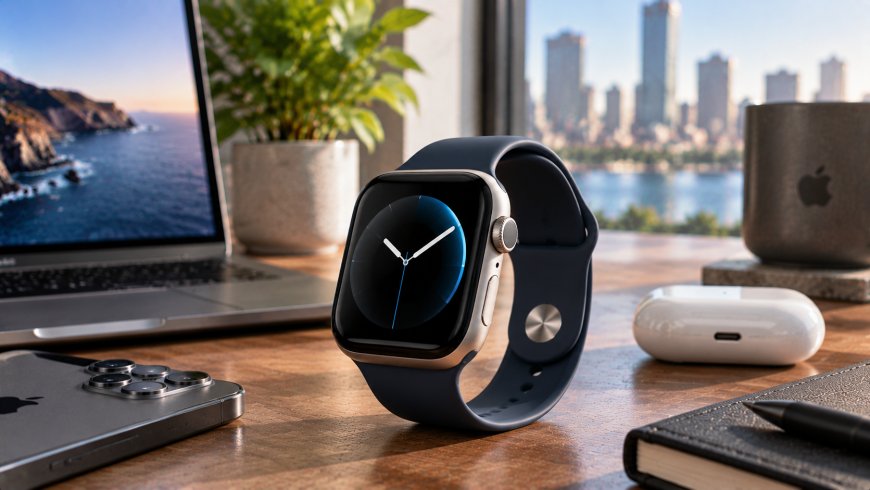
The Apple Watch has changed more than most people realize. What started as a convenient way to check notifications and interact with an iPhone has slowly become a device people wear for a much bigger reason: understanding their health. The modern Apple Watch is less about replacing a smartphone and more about quietly collecting useful information throughout the day.
The Apple Watch Series 12 continues that evolution by focusing on improvements that matter during everyday use. Instead of relying on a new design or a collection of flashy features, Apple has focused on health sensing, smoother interactions, and making the watch feel like a natural part of a person’s routine.
The challenge is that the smartwatch market has matured. Many users already own an Apple Watch, and competitors have created strong alternatives with different strengths. The Series 12 needs to prove that its improvements are meaningful enough to justify an upgrade.
The Apple Watch Has Become More Than a Smartwatch
When Apple introduced the first Apple Watch, the main idea was bringing smartphone features closer to the user. Messages, calls, notifications, and apps were the biggest attractions because they allowed people to spend less time reaching for their phones.
Over time, the device’s purpose changed. Health and fitness became the centre of the experience, with users relying on the Apple Watch to track workouts, monitor heart activity, understand sleep patterns, and follow changes in their daily habits.
The Apple Watch’s real strength isn’t any single feature. It comes from the combination of sensors, software, and long-term data collection that helps users understand trends instead of just seeing isolated numbers.
This shift reflects the larger direction of wearable technology. Smartwatches are moving away from being smaller smartphone accessories and becoming personal devices that help people make better decisions about their health and lifestyle.
Health Tracking Is the Biggest Reason to Pay Attention
The most important improvements in modern wearables are often hidden inside the device. A better sensor or smarter health algorithm may not create an obvious visual difference, but it can change a product’s usefulness over time.
The Apple Watch Series 12 builds on Apple’s health-focused approach with improved sensing capabilities that give users more detailed information about their bodies. These features matter because they focus on long-term patterns rather than single measurements.
A single reading rarely tells the complete story. The usefulness comes from seeing how information changes over weeks and months, helping users notice patterns in activity, recovery, and overall wellness.
Apple has also maintained an important distinction with health features. The Apple Watch can provide helpful insights and encourage healthier habits, but it is not designed to replace professional medical advice.
Why HRV Tracking Matters
Heart rate variability, commonly known as HRV, has become one of the more interesting measurements in modern wearable technology. Unlike traditional heart rate tracking, which shows how quickly the heart beats, HRV looks at the variation between heartbeats.
This information can provide additional context about recovery, stress, and how the body responds to different situations. For athletes and health-conscious users, this creates a deeper understanding than basic activity tracking alone.
However, HRV’s value doesn’t come from looking at one number and drawing conclusions. Like many health measurements, it becomes more useful when combined with other information and viewed over time.
The bigger trend is that wearables are becoming less focused on simple statistics like steps and calories. They are moving toward helping users understand their overall health patterns.
Small Improvements Make Daily Use Better
Not every important Apple Watch improvement makes a headline. Some of the most useful changes make everyday interactions easier without demanding the user’s attention.
The Series 12 continues Apple’s work on more natural controls, including improved gesture-based interactions and smoother navigation. These features are especially useful when people are exercising, carrying something, cooking, or doing activities where touching a small screen is inconvenient.
A good wearable should reduce friction instead of creating another task. The best technology often works quietly in the background, allowing users to interact with it only when necessary.
Performance Improvements Focus on the Experience
A smartwatch does not need the same processing power as a smartphone, but it needs to feel reliable every time someone uses it. Delays, slow animations, or inconsistent performance quickly become frustrating on a device people check dozens of times each day.
The Apple Watch Series 12 improves the everyday experience with smoother operation, faster responses, and better background task handling. These changes may not look dramatic on a specification sheet, but they become noticeable through regular use.
Opening apps, changing watch faces, tracking workouts, and managing notifications all benefit from a more polished experience. For a wearable device, consistency matters more than simply having powerful hardware.
Battery Life Remains a Challenge
Battery life remains one of the biggest compromises with advanced smartwatches. The Apple Watch Series 12 can do a lot because it combines a display, health sensors, wireless connectivity, and continuous monitoring features, but all of those capabilities require energy.
For many Apple Watch users, regular charging has become part of the routine because the benefits outweigh the inconvenience. The device offers integration and functionality that simpler fitness trackers can’t match.
However, battery endurance remains an area where competitors have an advantage. Garmin and other fitness-focused brands continue attracting users who want longer-lasting watches, especially people involved in outdoor activities or endurance sports.
How the Apple Watch Series 12 Compares With Competitors
The smartwatch market has become increasingly competitive, with different companies targeting different types of users. Samsung continues building its Galaxy Watch ecosystem, Garmin focuses heavily on fitness and outdoor performance, and other brands compete with affordable health tracking devices.
Apple’s biggest advantage remains its ecosystem. For iPhone users, the Apple Watch connects naturally with messages, payments, apps, health information, and other Apple products. That level of integration remains difficult for competitors to match.
At the same time, other brands have developed strengths that appeal to specific groups. Some users want the longest possible battery life, while others want advanced sports features. Apple’s approach is focused on creating the most complete everyday smartwatch experience.
Who Should Buy the Apple Watch Series 12?
The Apple Watch Series 12 is a strong option for first-time Apple Watch buyers, especially iPhone users who want a deeper connection between their devices. It is also a more meaningful upgrade for owners of older Apple Watch models that lack newer health features and performance improvements.
For people who already own a recent Apple Watch, the decision is more complicated. The Series 12 improves the overall experience, but its value depends on whether the latest health features and refinements matter enough to change daily use.
Final Thoughts
The Apple Watch Series 12 represents how wearable technology is changing. Smartwatches are no longer simply about putting smartphone features on a smaller screen. They are becoming personal devices that help users understand their health, habits, and daily behaviour.
Apple’s strongest achievement is the way hardware, sensors, and software work together. No single feature defines the Series 12. Instead, the value comes from how all of those improvements combine into a device that becomes more useful over time.
The future of wearable technology will not be decided by how many features companies can add to a wrist. It will be decided by how well these devices understand the people wearing them, and the Apple Watch Series 12 continues moving in that direction.
What's Your Reaction?
 Like
0
Like
0
 Dislike
0
Dislike
0
 Love
0
Love
0
 Funny
0
Funny
0
 Angry
0
Angry
0
 Sad
0
Sad
0
 Wow
0
Wow
0