



































TIDAL Ends Monetisation for AI-Generated Music to Protect Artists
TIDAL has stopped monetising AI-generated music to support human artists and maintain fair royalty payments. Learn how the policy affects creators and the music streaming industry.
Music streaming platform TIDAL has announced a new policy to limit the impact of AI-generated music by preventing tracks created entirely with AI from earning revenue on its service. The company also confirmed it will deploy automated detection systems to remove AI-generated songs that attempt to imitate or impersonate existing artists or bands.
In an announcement, Tony Gervino, TIDAL’s Executive Vice President and Editor-in-Chief, said the company remains committed to protecting genuine artistic creativity and ensuring that musicians can continue building meaningful relationships with their audiences through the platform.
“We are committed to protecting and rewarding organic creativity to avoid compromising an artist’s ability to connect with and build their fandom from TIDAL subscribers. Many have told us they do not want to be exposed to — or prompted to listen to — wholly AI-generated music,” Gervino wrote.
He emphasised that the updated policy is not intended to discourage technological innovation. Instead, the goal is to preserve and reward authentic creative work while maintaining a healthy environment for artists and listeners.
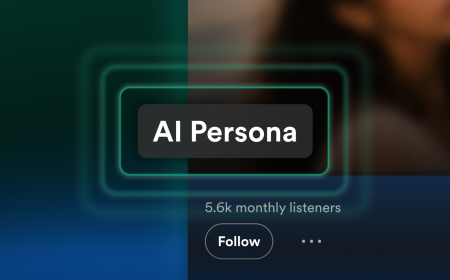
Under the new guidelines, music created entirely by AI will be clearly identified with an “AI” label so users can easily recognise those tracks. TIDAL confirmed that fully AI-generated songs will no longer qualify for monetisation, royalty payments, or direct-to-fan sales through the platform.
The move places TIDAL alongside several other major music streaming services that have introduced policies addressing the rapid growth of AI-generated music. Platforms including Spotify, Apple Music, Deezer, and Qobuz have each adopted their own approaches to managing AI-created content.
Spotify updated its policies last year to improve spam filtering and introduce labels for AI-generated music while acknowledging that AI tools are becoming part of many artists’ creative workflows. Apple Music has also adopted a tagging system to identify AI-assisted content.
Deezer has taken one of the strongest positions among streaming services. The company recently revealed that approximately 44% of all newly uploaded tracks on its platform each day are generated by AI. Deezer actively removes AI-generated music from recommendation systems, excludes it from editorial playlists, and even offers its AI-detection technology to competing platforms. It also provides users with a tool that identifies AI-generated tracks appearing in playlists across rival streaming services.
TIDAL’s latest policy may become an important test of whether removing financial incentives can help slow the rapid increase in AI-generated music uploads, especially as many listeners continue to express limited interest in fully AI-created songs.
“Regardless of what you are reading elsewhere, AI’s takeover of the music industry (and your recommendations) isn’t inevitable if we take even greater steps now to monitor and control it,” Gervino added.
The company also described the new policy as a “living document,” indicating that it may continue to evolve as AI technology and the music industry change over time. The updated rules are scheduled to take effect on July 15, 2026.
What's Your Reaction?
 Like
0
Like
0
 Dislike
0
Dislike
0
 Love
0
Love
0
 Funny
0
Funny
0
 Angry
0
Angry
0
 Sad
0
Sad
0
 Wow
0
Wow
0