






































AI Jobs Debate Grows More Complex as New Hiring Data Challenges Layoff Fears
The AI jobs debate is evolving as new research suggests companies investing heavily in artificial intelligence are also increasing hiring. Explore how AI is reshaping employment, entry-level roles, and the future of work.
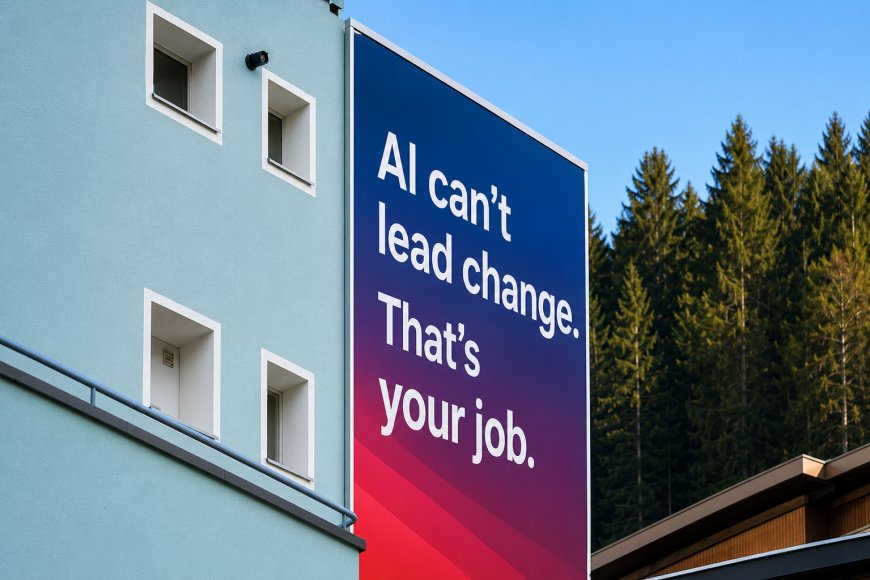
Concerns about artificial intelligence replacing workers continue to grow whenever another company announces AI-related job cuts. Through May 2026, businesses reported nearly 90,000 layoffs associated with AI initiatives, while some projections estimate that as many as 15% of jobs in the United States could be displaced by AI within the next five years. Although technology companies continue to argue that AI will also create new employment opportunities, those assurances have done little to calm concerns, particularly among students and recent graduates questioning what the future job market may look like.
However, a recent report published by Ramp and Revelio Labs, which monitor enterprise AI spending and workforce data from nearly 22,000 companies, respectively, presents a more nuanced picture of AI’s effect on employment.
According to the report, organisations investing heavily in AI are actually expanding their workforce at a faster pace, including in entry-level positions that many observers believe are most vulnerable to automation. The research found that “high-intensity adopters”—companies spending an average of $30 per employee per month on AI during their first three months of adoption—experienced 10.2% headcount growth.
The increase was observed across multiple departments, including engineering, sales, administration, customer service, finance, marketing, and scientific roles. The strongest hiring growth among these high-intensity adopters occurred within the information sector, which includes software companies, internet businesses, media firms, and other technology-focused organisations.
Despite these encouraging findings, the report also acknowledges important limitations. Much of the data comes from rapidly growing technology and knowledge-based companies, many of which are venture-backed and already expanding regardless of their AI investments. As a result, it remains difficult to determine whether AI is directly driving hiring growth or being adopted by companies that were already on an upward trajectory.
The report’s authors openly acknowledge this limitation, stating, “This paper does not show that AI universally creates jobs,” while adding that it challenges claims that AI will inevitably lead to widespread employment losses.
The findings also challenge the growing narrative that AI is eliminating entry-level positions. Earlier research from Goldman Sachs estimated that AI has already contributed to a net loss of approximately 16,000 jobs per month over the past year, with younger workers and those entering the workforce carrying much of the burden. By contrast, the new report found that entry-level employment at technology-focused companies increased by 12%.
One possible conclusion is that AI should not always be viewed simply as a replacement for workers. Instead, it may function as a tool that enables companies to expand more rapidly.
“For software and technology firms, AI can make core output cheaper or faster to produce: writing code, debugging, building internal tools, producing technical documentation, and supporting product development,” the report states. “Lower production costs in these workflows can raise the return on expanding the whole firm, not just the engineering team.”
At the same time, the report notes that organisations purchasing AI subscriptions or conducting limited pilot programmes without making sustained investments generally do not experience similar increases in hiring.
That finding suggests an increasingly wide gap could emerge between companies that possess the financial resources, technical expertise, leadership networks, and operational capacity needed to fully integrate AI into their business models and those that remain limited to small-scale experimentation. In other words, businesses that already have stronger resources may be the ones most likely to benefit from AI adoption.
The authors conclude that this divide may continue to widen over time, noting, “Firms without those channels may fall behind.”
What's Your Reaction?
 Like
0
Like
0
 Dislike
0
Dislike
0
 Love
0
Love
0
 Funny
0
Funny
0
 Angry
0
Angry
0
 Sad
0
Sad
0
 Wow
0
Wow
0