






























Baidu and Lyft Launch Robotaxi Testing in London Ahead of 2027 Service
Baidu has begun testing autonomous vehicles in London with Lyft and Freenow as the companies prepare for a planned robotaxi launch in 2027, pending regulatory approval.
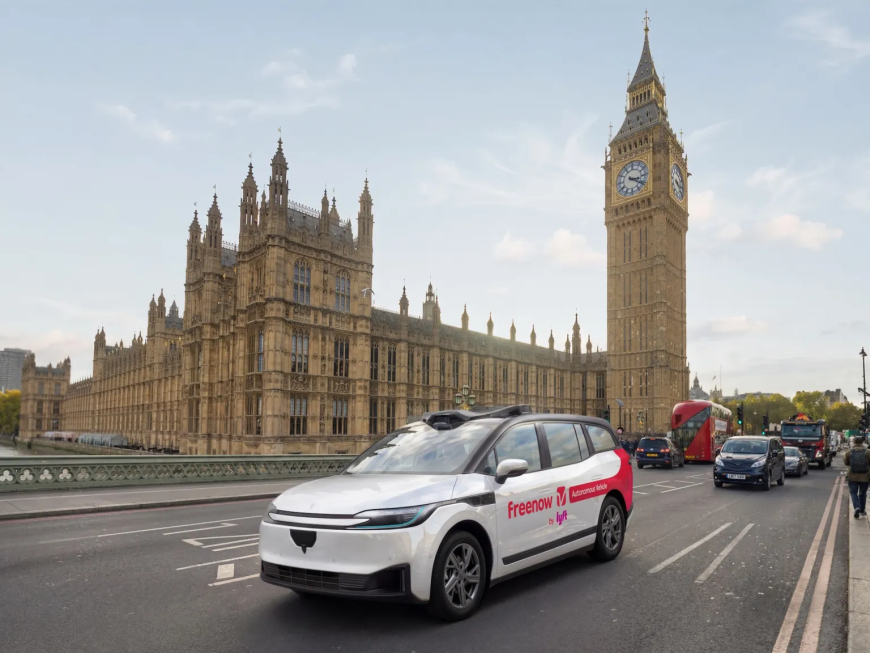
Baidu has begun testing autonomous vehicles in London through its partnership with Lyft and Freenow, joining a growing group of companies preparing to bring commercial robotaxi services to the U.K. capital.
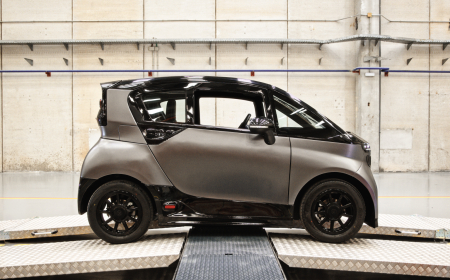
The Chinese technology company’s testing program started Tuesday with human safety operators inside the vehicles. It follows a strategic partnership announced nearly a year ago between Baidu and Lyft to deploy Baidu’s purpose-built Apollo Go RT6 robotaxis in major European markets.
The autonomous vehicles are expected to eventually become available through Freenow, the German taxi and mobility platform that Lyft acquired in 2025 for approximately $197 million. The acquisition gave Lyft a significant presence in Europe’s ride-hailing industry as competition over autonomous transportation intensifies.
London attracts growing robotaxi competition.
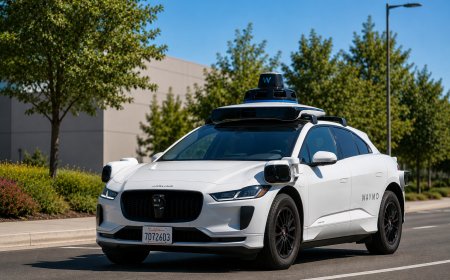
London is quickly becoming one ofEurope’ss most competitive markets for self-driving vehicle technology. Waymo began testing autonomous vehicles with human safety operators in the city in April.
Uber and British autonomous driving technology company Wayve are also preparing a London robotaxi service. Customers can already join an interest list for the planned service, which is expected to initially operate with safety personnel behind the wheel before progressing toward fully driverless operations.
Baidu and Freenow by Lyft said they plan to begin allowing members of the public to request robotaxi rides in 2027, although the companies have not provided a specific launch date. Commercial deployment will depend on receiving the necessary regulatory approvals.
Baidu starts testing in Brent.
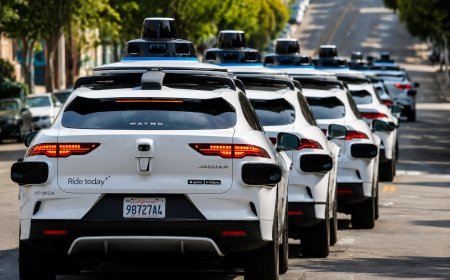
For the current testing phase, dozens of Baidu autonomous vehicles are expected to operate in Brent, a borough in northwest London.
Lyft and Freenow said they are continuing discussions with transportation and safety authorities, including Transport for London and the U.K.’s Centre for Connected and Autonomous Vehicles.
The testing comes as the British government develops its regulatory framework for autonomous vehicles. In May, authorities opened applications for an autonomous vehicle pilot program designed to allow companies to test self-driving technology under government oversight.
The regulatory process will be an important factor in determining how quickly Baidu, Lyft and their competitors can move from supervised testing to commercial robotaxi operations.
Robotaxis will operate alongside human drivers.
Freenow by Lyft plans to operate what it describes as a hybrid transportation network when its autonomous service launches. Under that model, traditional taxis and private-hire vehicles driven by people would continue operating alongsideBaidu’ss robotaxis.
Uber has used similar language to describe its approach, integrating autonomous vehicles into existing ride-hailing networks rather than immediately replacing human-operated vehicles.
Freenow CEO Thomas Zimmermann said the company’s relationship with the traditional taxi industry would remain central to its strategy as autonomous technology expands.
“Our priority is ensuring that autonomous technology supports the professional drivers who keep London moving,” Zimmermann said.
With Baidu joining Waymo, Uber and Wayve in testing or preparing autonomous services, London is emerging as a major proving ground for the next phase of Europe’s robotaxi market.
What's Your Reaction?
 Like
0
Like
0
 Dislike
0
Dislike
0
 Love
0
Love
0
 Funny
0
Funny
0
 Angry
0
Angry
0
 Sad
0
Sad
0
 Wow
0
Wow
0