


































Google commits $1B to Form Energy’s long-duration 100-hour battery technology
Google has reportedly committed $1 billion to Form Energy to support the deployment of its 100-hour iron-air battery technology designed for long-duration grid energy storage.
Google said earlier this week that it plans to build a new data centre in Minnesota powered by a blend of wind, solar, and an unusually long-lasting battery from startup Form Energy, one designed to discharge electricity for multiple days at a time.
Now there’s a clearer sense of what that ambitious clean-power setup will cost: roughly $1 billion, according to The Information.
At the centre of the project is Form Energy’s large-scale iron-air battery, built to deliver a steady 300 megawatts of power for 100 hours straight. The technology “breathes”—oxygen is moved through the cells to oxidise (rust) iron, and that chemical reaction releases electrons that can be used to generate electricity. The battery installation is expected to help smooth the flow from 1.4 gigawatts of wind and 200 megawatts of solar, keeping the supply more stable as generation rises and falls.
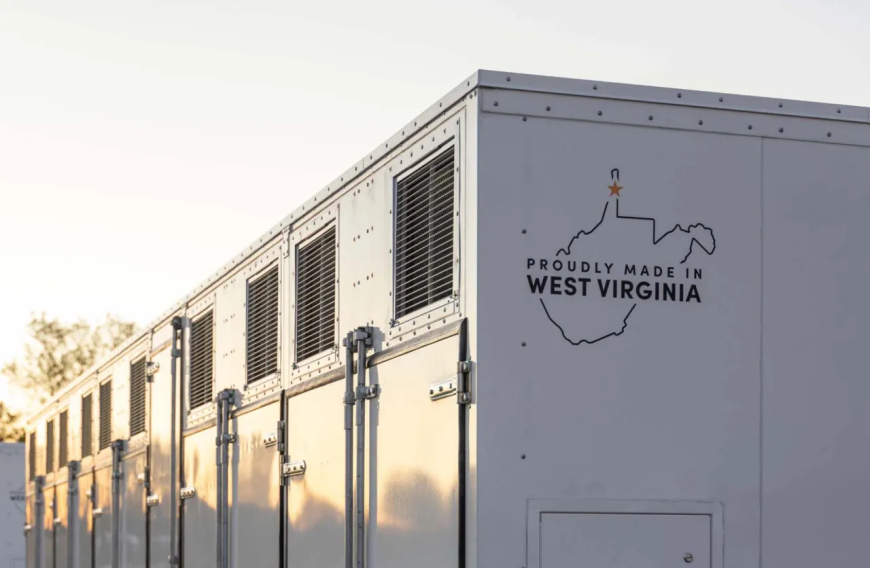
Form Energy has been refining this approach for years, and it has already established a manufacturing facility in West Virginia to produce the systems at scale. Even so, the company hadn’t secured a truly major customer until this latest agreement with Google.
With the order now in place, Form Energy CEO Mateo Jaramillo said the company is working on raising a $500 million funding round. Form has raised about $1.4 billion so far, according to PitchBook. The company also plans to go public next year.
What's Your Reaction?
 Like
0
Like
0
 Dislike
0
Dislike
0
 Love
0
Love
0
 Funny
0
Funny
0
 Angry
0
Angry
0
 Sad
0
Sad
0
 Wow
0
Wow
0