
































Node-Based Design Tool Flora Raises $42M in Series A Led by Redpoint
Flora, a node-based design platform used by major brands and creative studios, has raised $42 million in a Series A round led by Redpoint Ventures.
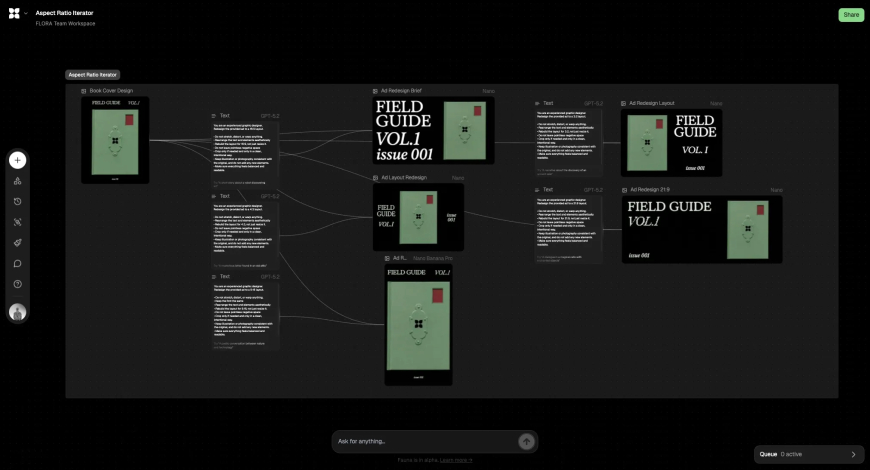
Flora, a node-based design platform used by teams at Alibaba, Brex, creative agency Pentagram, and entertainment company Lionsgate, has secured a significant funding milestone. The startup announced Tuesday that it has raised $42 million in a Series A round led by Redpoint Ventures, bringing its total funding to $52 million.
As generative AI becomes more embedded in creative work, established software companies such as Adobe, Figma, and Canva have rolled out AI-powered features across their products. At the same time, a new wave of design startups argues that simply adding AI tools isn’t enough — that generative models require entirely new workflows and interfaces to unlock their full potential.
Flora is built around that idea. The platform allows users to generate images, videos, and other media assets from text, photographs, or videos. Designers can prompt the system to create variations, which appear as interconnected nodes on a shared canvas. Each node represents a different iteration, making it easier to visualize how ideas evolve and compare multiple creative directions side by side.
From any node, users can branch out to develop new versions of a concept. For example, a designer working on a marketing video can start with reference images and text prompts to create an initial idea, then layer on additional prompts to generate variations in different visual styles or tones. The result is a mapped-out creative process rather than a linear sequence of edits.
Flora was founded by CEO Weber Wong, a former Menlo Ventures investor who later joined New York University’s Interactive Telecommunications Program, a course that blends technology and art. The company’s alpha version emerged from that program in 2024, and a more stable release followed last year.

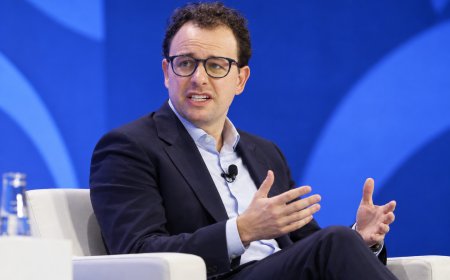
Flora CEO Weber Wong Image Credits: Flora
Wong said the idea for Flora came from recognizing a gap in how creative tools handle generative models. Traditional design software, he explained, was built for a different computing era.
“Our realization was that the generative computing paradigm needed a new creative interface,” Wong said. “If you think about the personal computing paradigm, that’s what Adobe was for — controlling every pixel on the screen to make one piece of media at a time. Now you have models that can generate entire pieces of media in one go. The opportunity is to step back and design the whole creative workflow.”
Node-based systems have historically been complex and intimidating, but Wong argues that pairing them with AI makes them far more accessible. Instead of painstaking manual edits, designers can quickly explore many ideas and directions using text, image, or video prompts.
The broader market has taken notice of AI-first creative tools. OpenAI acquired Sequoia-backed Visual Electric last October, Figma bought node-based editor Weavy, and Krea — another startup working with node-based workflows — raised $83 million in April.
Wong noted that as these tools gain traction, they’re attracting not just professional designers but also people using AI for ideation and experimentation. Still, he believes education remains a barrier to broader adoption. To address that, Flora sends creatives to work directly with organizations, helping teams learn how to integrate the tool into their workflows.
Although Flora is designed with creatives in mind, Wong said it’s approachable enough for business owners and individual users as well. Pricing starts at $16 per month with annual billing, with higher tiers available for agencies and enterprise customers.
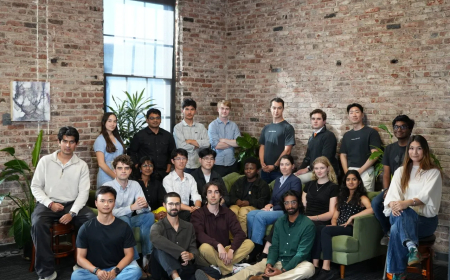
The company plans to use the new funding to expand its enterprise sales efforts and invest more heavily in marketing. On the product side, Flora aims to add stronger creative controls and introduce traditional editing features so users don’t need to switch tools to finalize projects. The startup currently employs about 25 people and expects to double or even triple its headcount by the end of the year.
Alex Bard of Redpoint Ventures said the firm was drawn to Flora’s clean design and low barrier to entry.
“What excited us is that the team is doing for creative workflows what Figma did for product design,” Bard said. “They’re democratizing the process and making it more collaborative and approachable.”
Bard added that Flora’s potential extends beyond design into areas like fashion, advertising, photography, and branding.
In addition to Redpoint, the Series A included participation from Vercel CEO Guillermo Rauch, Twitch founder Justin Kan, Frame.io CEO Emery Wells, Hanabi Capital GP Mike Volpi, Menlo Ventures, a16z Speedrun, Fal co-founders Gorkem Yurtseven, Burkay Gur, and Batuhan Taskaya, Long Journey Ventures, Cyan Bannister, Factorial Capital managing partner Matt Hartman, and MSCHF founder Gabe Whaley.
What's Your Reaction?
 Like
0
Like
0
 Dislike
0
Dislike
0
 Love
0
Love
0
 Funny
0
Funny
0
 Angry
0
Angry
0
 Sad
0
Sad
0
 Wow
0
Wow
0