































OpenAI aims to ship its first device in 2026, and it could be earbuds
OpenAI is targeting 2026 to ship its first consumer hardware product, with reports suggesting the AI company is exploring earbuds as its initial device.

OpenAI fueled widespread speculation around its hardware ambitions last year after acquiring io, the startup founded by former Apple design chief Jony Ive. Although the company has shared little publicly about what it’s building, OpenAI’s Chief Global Affairs Officer Chris Lehane said during an Axios-hosted panel at Davos that the company remains on schedule to unveil its first hardware product in the second half of this year.
Back in November, OpenAI CEO Sam Altman characterised the device as something designed to feel more “peaceful and calm” than today’s smartphones. Earlier reports have also indicated that the company is aiming to develop a screen-free, pocket-sized product that departs from conventional mobile hardware.
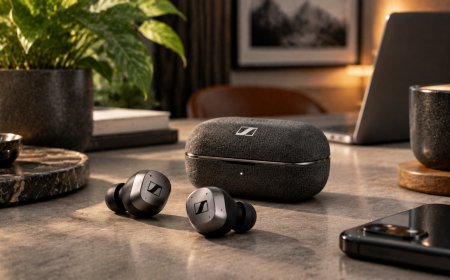
While OpenAI continues to keep details under wraps, more recent reports from Asian media outlets and hardware leakers suggest that the company’s debut device could take the form of earbuds. According to those reports, the product is internally codenamed “Sweet Pea” and is expected to feature a distinctive design that sets it apart from existing earbuds on the market. The device could run a custom 2-nanometer processor and perform AI tasks locally, reducing the need to send requests to cloud servers.
A separate report from a major Taiwanese newspaper said OpenAI has been exploring manufacturing partnerships, including discussions with China-based Luxshare, though the company may ultimately favour Taiwan’s Foxconn. That report also claimed that OpenAI is targeting shipments of 4-50 million units during the first year of sales.
Although ChatGPT now reaches close to a billion weekly users, OpenAI currently depends on third-party devices and platforms for distribution. Launching its own hardware could allow the company to exert greater control over how its AI assistant is developed, delivered, and experienced, while also enabling the rollout of exclusive, purpose-built features tied directly to the device.
Still, convincing users to replace entrenched products like AirPods in their everyday routines will be difficult, notably if the new hardware lacks deep integration with existing operating systems and device ecosystems.
So far, the AI hardware category has yet to produce an apparent breakout success. Last year, the Humane AI Pin was sold to HP. Rabbit continues to operate but has struggled to sustain momentum since its early-2024 hype. Meanwhile, the Friend AI companion necklace faced immediate criticism over its marketing approach.
At the same time, large technology companies are steadily advancing into the wearable market. Meta’s Ray-Ban smart glasses have been expanding in both capability and adoption to the point where the company has reportedly struggled to keep up with demand. And Amazon recently acquired Bee, an AI-powered meeting recorder that could also serve as a broader digital companion.
What's Your Reaction?
 Like
0
Like
0
 Dislike
0
Dislike
0
 Love
0
Love
0
 Funny
0
Funny
0
 Angry
0
Angry
0
 Sad
0
Sad
0
 Wow
0
Wow
0