





























Recursive Superintelligence Signs $410 Million AWS Compute Deal to Advance Self-Improving AI
Recursive Superintelligence has signed a $410 million multiyear compute agreement with Amazon Web Services to support the development of self-improving AI systems and future AI products.
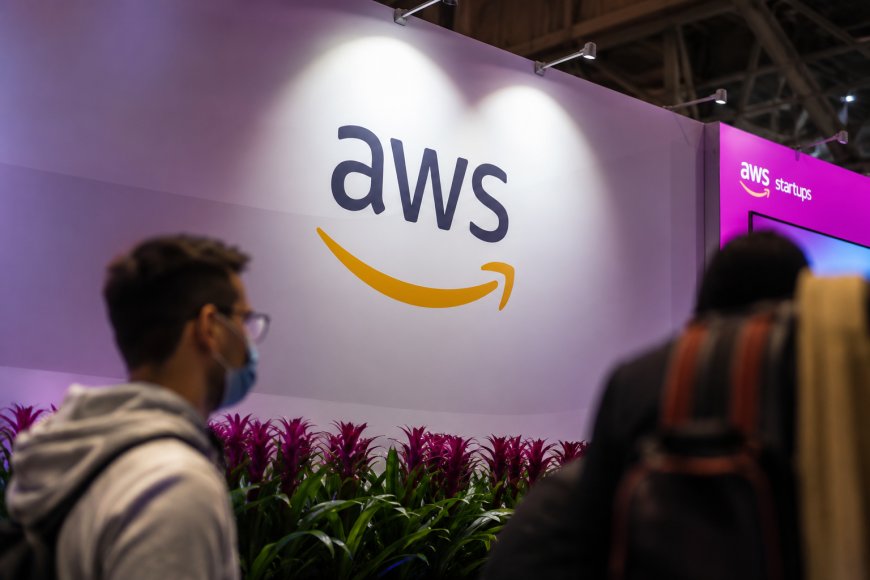
Artificial intelligence startup Recursive Superintelligence has signed a multiyear $410 million compute agreement with Amazon Web Services (AWS), marking one of the largest infrastructure commitments by a newly launched AI company as it pursues the development of self-improving AI systems.
The company announced the partnership on Tuesday, just months after emerging from stealth in May with $650 million in funding. The agreement is designed to give Recursive Superintelligence the computing capacity needed to expand its research into open-ended AI systems capable of improving themselves over time.
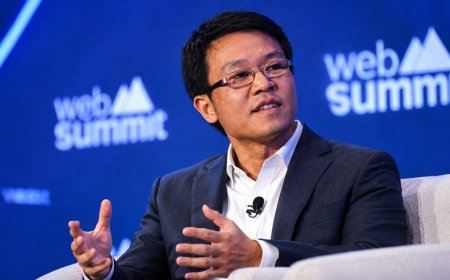
Founder and CEO Richard Socher said the deal represents only the beginning of the company’s long-term infrastructure plans. Although the commitment accounts for a substantial share of the capital raised so far, he expects significantly larger compute agreements to follow as the company’s ambitions grow.
“This is likely going to be one of the smallest compute deals we’re going to sign in the next few years,” Socher said.
Compute takes priority over workforce expansion.
Rather than investing heavily in hiring, Recursive Superintelligence is directing much of its funding toward computing resources. The company believes large-scale infrastructure is essential to automating parts of its own research and product development process through AI.
Socher said thecompany’ss strategy focuses less on expanding employee numbers and more on increasing the number of AI agents capable of performing development tasks.
“For us, it’s less about headcount and more about agent count,” he said.
AWS partnership extends beyond cloud capacity
Unlike some partnerships between major AI developers and cloud providers, the AWS agreement does not include an investment from Amazon. Instead, it centres on providing computing infrastructure while also developing systems tailored to companies building advanced foundation models.
Jason Bennett, AWS vice president for startups and venture capital, said the collaboration includes jointly designing infrastructure specifically suited to organisations pursuing this type of AI research.
According to Bennett, AWS expects the experience gained through the partnership to help support other next-generation AI companies with similar computing requirements in the future.
Building products through recursive self-improvement
Recursive self-improvement (RSI) has long been discussed as a potential milestone in artificial intelligence, referring to systems that can enhance their own capabilities with progressively less human involvement. Researchers remain divided on how quickly such technology could advance, with some predicting rapid progress while others view self-improvement as a gradual evolution rather than a single breakthrough.
Recursive Superintelligence aims to use that approach not only to advance AI research but also to accelerate the creation of practical software products.
Socher said customers should not have to wait years to see the results. He expects the company to begin releasing its first usable products before the end of the year, with initial offerings potentially arriving around October.
“We are excited to build really amazing products that people can use,” Socher said, adding that users should soon have tangible AI tools available to try rather than waiting several years for commercial releases.
What's Your Reaction?
 Like
0
Like
0
 Dislike
0
Dislike
0
 Love
0
Love
0
 Funny
0
Funny
0
 Angry
0
Angry
0
 Sad
0
Sad
0
 Wow
0
Wow
0