


































Acorn launches creator-focused alternative after X shuts down Communities
Acorn has introduced a new creator-first platform following X’s decision to shut down Communities, offering users greater ownership and control over their audiences.
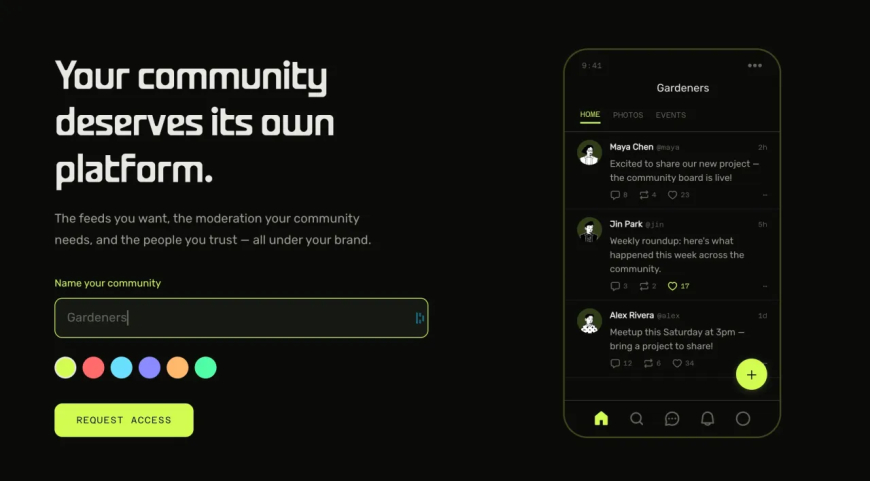
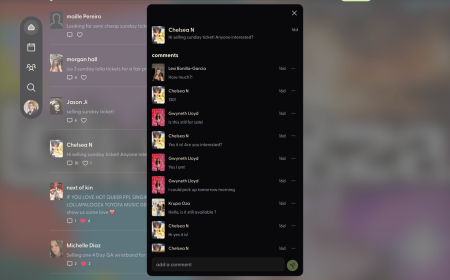
A new initiative called Acorn has introduced tools that enable organisations and creators to build their own online communities, offering an alternative to centralised platforms such as Instagram, X, and Threads. The platform is built on the same underlying technology that powers Bluesky, enabling communities to create customised homepages, onboarding tools, feeds, and moderation systems.
Acorn is developed by Blacksky, which has been building a decentralised social media toolkit based on the AT Protocol. This protocol, originally developed by Bluesky, is also used by a growing ecosystem of open social applications, including Flashes, Spark, Skylight, Surf, Streamplace, and Leaflet.
So far, Blacksky has focused on developing tools to create safer digital environments, particularly for members of the Black Twitter community. This work has included forking Bluesky, building custom moderation systems, developing its own implementation of the AT Protocol, and other technical efforts.
With Acorn, the company is now extending these tools to a broader audience, enabling communities to establish and manage their own digital spaces. This approach allows creators and organisations to retain control over their communities rather than relying on large platforms, where algorithms and policy changes can directly affect visibility and engagement. The timing is notable, as X recently discontinued its Communities feature, prompting many users to seek alternatives.
At launch, Acorn includes a range of features to support community building and management. These tools help onboard new members, customise feeds, configure moderation systems, and track growth through analytics. Similar to Bluesky’s “Starter Packs,” which recommend accounts for new users to follow, Acorn enables communities to create their own curated onboarding lists.
The platform also introduces reputation systems that allow communities to recognise members through badges, awards, and other indicators, while offering tools to manage bots and disruptive behaviour. Community leaders can define moderation policies that align with their needs and use built-in systems to handle reports, remove content, or ban accounts when necessary.
Additionally, creators can design topic-specific feeds and organise content into dedicated sections, such as announcements, events, or shared resources. As communities expand, analytics tools provide insights into user growth, engagement levels, and overall activity patterns.
Acorn can be deployed on a community’s own domain, with pricing tailored to different requirements. Some users may adopt the full suite of tools, including operating their own Personal Data Server (PDS), which is part of the AT Protocol’s infrastructure. Others may opt for a more streamlined setup based on Blacksky’s existing client. Current pricing averages $100-$150 per month, with plans to introduce a tiered SaaS model that scales with community size and feature usage.
The platform is already being used by AT Protocol-based communities such as Latinsky and Medsky, as well as a filmmaker network called The Invite. Discussions are also underway with additional media organisations and nonprofits, and interested users can join a waitlist via the company’s website.
According to Rishi Balakrishnan, Acorn’s lead engineer, the project’s name draws inspiration from a resilient fictional community in a novel by Octavia Butler. He explained that the platform evolved through continuous adaptation to community needs, eventually resulting in a full infrastructure stack that enables independence from Bluesky.
The launch comes at a time when social media platforms are facing increased regulatory scrutiny in global markets, with some even restricting access for younger users. At the same time, public trust in major tech platforms has declined, particularly as many prioritise advertising-driven business models.
Compounding this shift, automated account bans on platforms like Facebook and Instagram have affected some users, removing access to accounts and groups without clear recourse. While these cases represent a small portion of the overall user base, they highlight a growing interest in alternatives that offer greater control — creating an opportunity for platforms like Acorn to attract communities seeking more autonomy.
What's Your Reaction?
 Like
0
Like
0
 Dislike
0
Dislike
0
 Love
0
Love
0
 Funny
0
Funny
0
 Angry
0
Angry
0
 Sad
0
Sad
0
 Wow
0
Wow
0