




























Ford Adopts Apple Maps Technology for Next-Generation Electric Vehicles
Ford will integrate Apple’s new MapKit for Automotive into its next-generation EVs, bringing native Apple Maps navigation and enhanced driver-assistance features.
Ford will become the first automaker to integrate Apple’s new MapKit for Automotive platform into its next-generation electric vehicles, marking a deeper collaboration between the two companies as Ford prepares to launch a new family of affordable EVs beginning in 2027.
Apple unveiled MapKit for Automotive during its latest developer announcements, introducing a software development kit that allows vehicle manufacturers to embed Apple Maps directly into their infotainment systems. Unlike Apple CarPlay, which mirrors applications from an iPhone, the new platform runs natively inside the vehicle and provides built-in navigation and mapping capabilities.
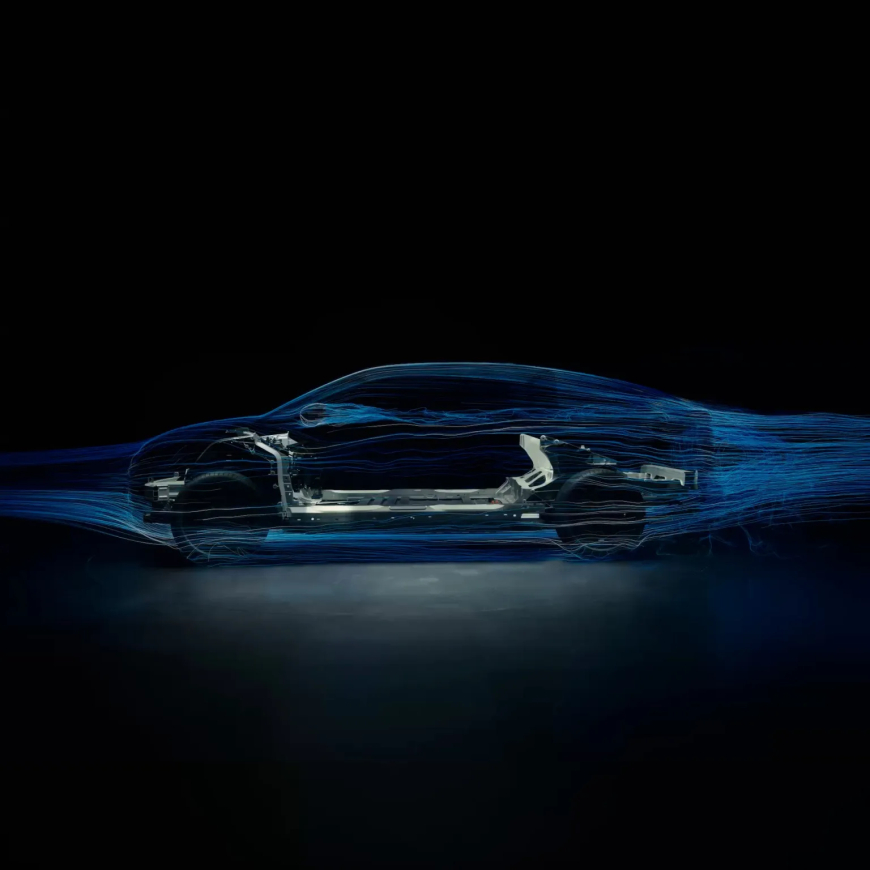
Ford said the technology will first appear in its upcoming midsize electric pickup truck, expected to start at around $30,000. The vehicle will be the first model built on the company’s new Universal Electric Vehicle (UEV) platform, which will also support future electric sedans, crossovers, three-row SUVs and small commercial vans.
Native Apple Maps to power next-generation EV features
The integration is designed to deliver a more responsive driving experience by combining Apple’s mapping technology with Ford’s connected vehicle systems. Drivers will receive real-time traffic updates, incident alerts, destination search, detailed place information and EV-specific navigation that calculates efficient charging routes.
Because Apple Maps operates directly within the vehicle, it can also support battery preconditioning. The feature prepares the battery before arriving at a charging station by bringing it to the optimal temperature, helping reduce charging times and improve charging efficiency.
Ford said the embedded mapping platform could also enable connected smart home experiences, such as automatically opening a garage door or turning on household lights when the driver arrives home.
Apple Maps will strengthen BlueCruise capabilities.
The partnership also supportsFord’ss next-generation BlueCruise hands-free driver-assistance system. Road-level mapping data from Apple Maps will feed directly into BlueCruise, allowing the upgraded system to understand highway conditions and navigation routes better.
Ford expects the enhanced BlueCruise platform to launch next year with the ability to manage complete highway journeys, including entering and exiting highways through on-ramps and off-ramps. The company has also said the technology will eventually evolve toward point-to-point autonomous driving similar to Tesla’s Full Self-Driving (Supervised) system before progressing to eyes-off driving capabilities planned for 2028.
Ford builds its future EV strategy around software
The Apple Maps integration forms part of Ford’s broader strategy to redesign its electric vehicle lineup around a dedicated EV architecture rather than adapting traditional vehicle platforms. The new UEV platform is intended to improve manufacturing efficiency while supporting modern software-driven features across multiple vehicle types.
Although engineering innovations such as single-piece aluminium unicastings are expected to simplify production and reduce manufacturing complexity, Ford views software as an equally important part of the ownership experience. Native mapping, intelligent EV routing and connected vehicle services are expected to become core features of its future electric vehicles.
The companies confirmed that MapKit for Automotive will be available to other automakers, but Ford will serve as the launch partner for the new platform. While financial terms of the commercial agreement were not disclosed, the collaboration gives Ford early access to Apple’s latest in-vehicle mapping technology.
Commercial fleet customers could also benefit.
Ford said the integration may also enhance its Ford Pro commercial business. Businesses operating vehicle fleets could use the built-in mapping platform to dispatch drivers to their next destinations, optimise routes and display the location of other fleet vehicles directly within the vehicle interface.
By embedding Apple Maps into the vehicle rather than relying on smartphone projection, Ford expects to deliver richer navigation, more intelligent EV functionality and deeper integration with future connected services across both consumer and commercial electric vehicles.
What's Your Reaction?
 Like
0
Like
0
 Dislike
0
Dislike
0
 Love
0
Love
0
 Funny
0
Funny
0
 Angry
0
Angry
0
 Sad
0
Sad
0
 Wow
0
Wow
0