






























Mercor CEO Brendan Foody Criticizes Sequoia Over Alleged Startup Valuation Pricing Tactics
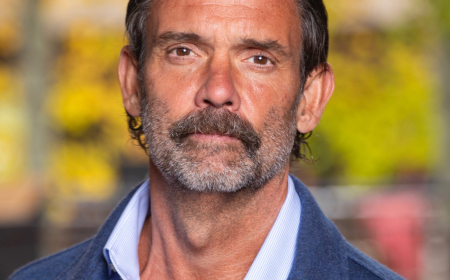
Mercor CEO Brendan Foody has publicly criticized Sequoia Capital over alleged dual-pricing valuation practices in startup funding rounds. The debate has sparked discussion across the venture capital industry about transparency, investor pricing structures, startup valuations, employee equity, and angel investor disclosures.
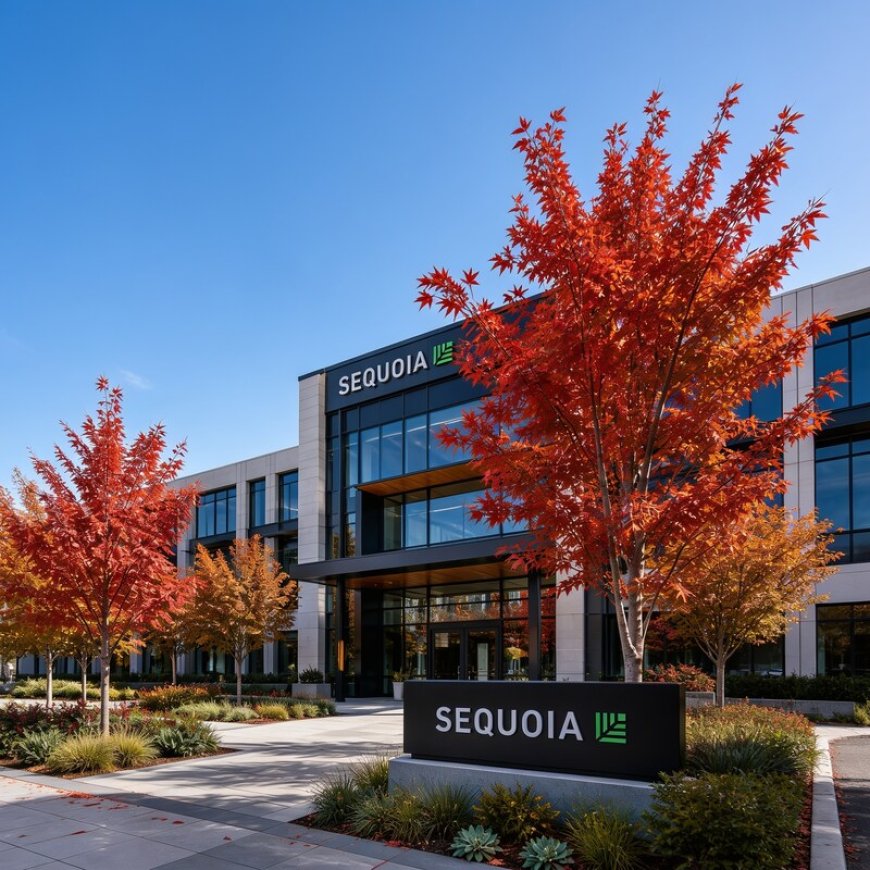
Over the past several days, founders and former founders who have transitioned into investing have been sharing stories on X about difficult experiences with venture capital firms. The complaints covered a broad range of issues, from investors allegedly falling asleep during startup pitches to recommendations that founders remove their own co-founders.
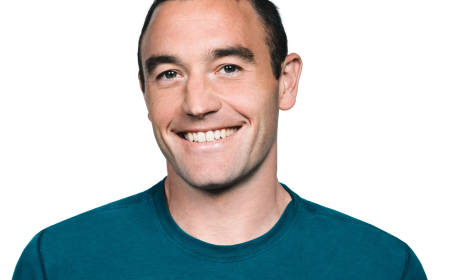
Among the most notable criticisms came from Brendan Foody, co-founder of the AI recruiting platform Mercor, a company most recently valued at $10 billion. Foody publicly questioned a fundraising practice that he associates with Sequoia, one of the most prominent venture capital firms in the industry.
“The ‘sequoia scam’ is worse than a single horror story,” Foody wrote on X. “In the last 6 months, I’ve seen a half dozen rounds where Sequoia invests in 2 tranches. Everyone pretends they only did the higher valuation. founders misrepresent this to their employees & then shop it to angels too.”
According to Foody, the structure involves a lead investor placing a substantial portion of its investment at a lower valuation while allocating a much smaller amount at a significantly higher valuation. The higher valuation then becomes the publicised figure, creating the impression that the startup has achieved a much larger market value than the lead investor’s blended entry price would suggest.
The difference between those numbers can be considerable. One example cited in discussions about the practice is the AI-powered IT support startup Serval. When the company announced a $75 million Series B round at a $1 billion valuation led by Sequoia, the headline figure attracted attention across the startup ecosystem. However, according to reporting by The Wall Street Journal, Serval had been valued at under $400 million only days earlier during a Series A extension round that also included Sequoia. The discrepancy between the earlier valuation and the later headline number is at the centre of the concerns Foody raised.
Serval is not the only startup linked to such valuation structures. Aaru, a company that uses artificial intelligence to simulate consumer behaviour for market research, reportedly received backing from lead investor Redpoint at an approximately $450 million valuation, despite public announcements emphasising a $1 billion valuation.
Foody’s comments prompted a direct response from Sequoia partner Shaun Maguire, who disagreed with the characterisation of the practice.
“TBH I have seen some of this u, behaviour, but I think it’s unfair to call it the ‘Sequoia scam,’” Maguire wrote on X. “This has happened approximately five times during my seven years at Sequoia. What happens is that other investors are willing to pay a high price for a hot company — usually AI — at multiples above what we’re willing to pay. So we try to decouple the company-building relationship with our partner from the capital, and this leads to two tranches at different valuations in close succession.”
Maguire further stated that he was not aware of any deceptive intent behind the arrangements.
“I’m not aware of anything shady here,” he continued. “But if you’ve seen it, I’d love to know. VC is a repeated game, so it just doesn’t make sense for us to try to mislead people. And if anyone has, I’d love to know. And in general, congrats on the success of Mercor — it was a miss for us.”
From Maguire’s perspective, the approach reflects market conditions rather than an attempt to manipulate perceptions. He argues that Sequoia sometimes chooses not to match the highest valuations offered by competing investors in sought-after startups, particularly within the AI sector, and instead structures investments through separate tranches. Whether that explanation fully addresses concerns remains debatable, especially regarding how such valuation details are communicated to employees and outside investors.
Foody himself acknowledged that Sequoia is not the only venture capital firm employing these types of financing structures. While dual-valuation rounds can elevate a startup’s public profile and potentially improve its ability to recruit talent, some observers question whether labelling the practice a “scam” accurately reflects what is taking place.
One reason is that employee stock options are generally priced based on the blended value of all financing tranches rather than the publicly announced headline valuation. Jason Woon, a partner specialising in valuation and financial modelling at Manolo, noted that startups rely on independent 409A appraisals to determine option pricing. These valuations are designed to estimate fair market value and establish employee strike prices independently of promotional fundraising announcements.
However, there are nuances. 409A valuations have long been viewed as tending toward the lower end of valuation ranges. Since lower strike prices can reduce tax burdens for companies and employees, there is often an incentive to maintain conservative assessments. As a result, the mechanism intended to shield employees from inflated headline valuations may not necessarily produce valuations that align with the most optimistic public figures.
The situation becomes more complicated when angel investors are involved. Unlike employees receiving stock options, angels invest their own capital directly into startups. In those cases, there is no independent valuation process standing between investors and the information presented by founders. Angels must often rely on the valuation figures and fundraising narratives they receive during discussions.
The debate surrounding dual-pricing structures highlights just one of several ways startup success can be framed in an increasingly competitive venture capital environment. Another frequently discussed issue involves the reporting of annual recurring revenue, commonly known as ARR.
Last month, venture capitalist Niko Bonatsos, formerly of General Catalyst and now founder of Verdict Capital, spoke publicly about concerns regarding how some startups present revenue metrics.
“We [at Verdict] mostly invest before metrics, before product, before the company [has fully taken shape], but to have a past portfolio, and sometimes the conversations are telling,” Bonatsos said. “I’ll get a call or an email with a very high ARR number. I’ll think: I didn’t remember that company doing so well. So I reach out to the founder: ‘What happened? Why are the numbers so strong?’ And the answer is: ‘Oh yeah, it’s 365 times the revenue we made yesterday because one of our campaigns hit.’ So yeah, some of these terms have lost meaning.”
His comments underscore broader concerns across the startup ecosystem about how key performance indicators and valuation figures are presented. As competition for funding intensifies and AI startups continue attracting significant investor attention, debates around transparency, valuation practices, and financial reporting are likely to remain central topics within venture capital circles.
What's Your Reaction?
 Like
0
Like
0
 Dislike
0
Dislike
0
 Love
0
Love
0
 Funny
0
Funny
0
 Angry
0
Angry
0
 Sad
0
Sad
0
 Wow
0
Wow
0