




























Pixel 10a skips the camera bump, delivering a cleaner design
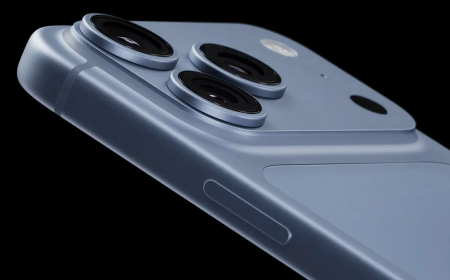
The Pixel 10a drops the camera bump for a sleek, flat design, offering a clean look while maintaining strong camera performance and usability.
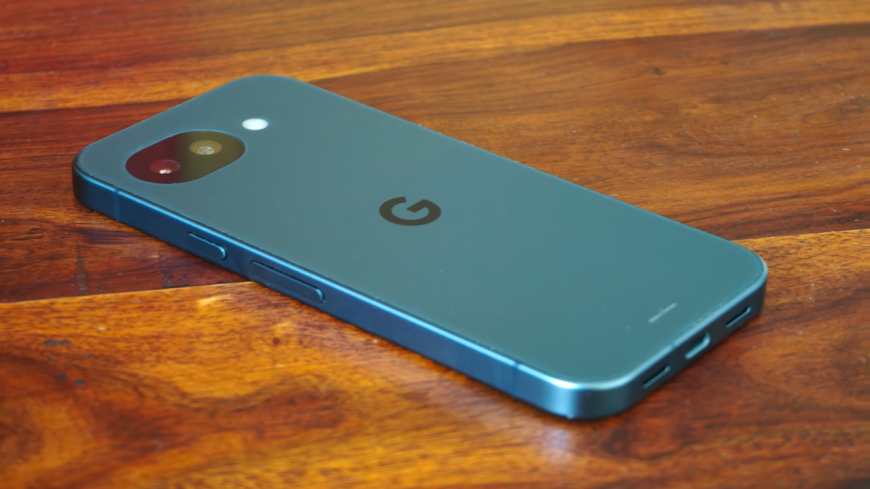
For several years, smartphone manufacturers have steadily increased the size of camera bumps in pursuit of better photography performance. While these larger modules often improve image quality, they can also create practical inconveniences in everyday use. With the Pixel 10a, Google has taken a different direction by eliminating the camera bump, resulting in a device that sits completely flat on surfaces.
This design shift stands out in a market dominated by protruding camera systems. However, aside from this change, the company has not introduced major alterations to the overall look of its latest budget smartphone. The Pixel 9a already featured a relatively subtle camera bump, so the transition feels like a refinement rather than a complete redesign.
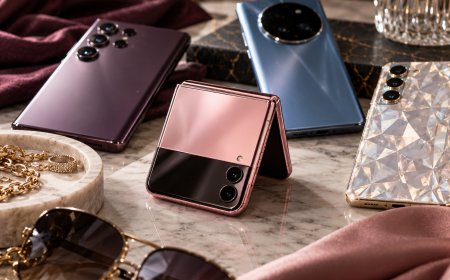
The device is available in multiple colour options. In addition to a standard black version, it comes in Lavender, which blends bright blue and purple tones; Berryyy with a coral finish; and Fog, a muted grey-green shade.
The Pixel 10a maintains the same 6.3-inch screen size as its predecessor but introduces a brighter display capable of reaching 3,000 nits. It uses the Actua display technology found in other Pixel 10 models, improving visibility in bright environments. The screen also supports a 120Hz refresh rate, although it is set to 60Hz by default and must be manually adjusted in the settings to take full advantage of the smoother experience.
In terms of build and specifications, the Pixel 10a closely matches the Pixel 10, with a few key differences. The Pixel 10 features Corning Gorilla Glass Victus 2 on both the front and back, whereas the more affordable 10a uses a plastic back and Corning Gorilla Glass 7i protection on the front. Interestingly, the budget model includes a slightly larger 5,100 mAh battery compared to the Pixel 10's 4,970 mAh, while the Pixel 10 Pro XL offers a 5,200 mAh battery.
Across the Pixel 9a, Pixel 10a, and Pixel 10 lineup, most differences are tied to performance and processing power. The Pixel 10a continues to use the Google Tensor G4 chip, the same processor found in the Pixel 9a, while the Pixel 10 upgrades to the newer Tensor G5. Charging speeds have also improved slightly, with the Pixel 10 supporting 30W wired charging, up from 23W on the Pixel 9a. Wireless charging is rated at 7.5W for the Pixel 9a, 10W for the Pixel 10a, and 15W (magnetic) for the Pixel 10.
Battery performance and charging improvements contribute to a reliable day-long usage experience. The device handles regular applications, several hours of video streaming, and light gaming without difficulty. The brighter display enhances usability across different lighting conditions. Although the Pixel 10a has thicker bezels than higher-end models, this does not significantly affect everyday use, especially given its lower price point.
Performance-wise, the use of the Tensor G4 chip results in no noticeable improvements over the previous generation. Users who frequently switch between multiple apps may observe this limitation. Additionally, the combination of the older processor and 8GB of RAM prevents the device from running the updated Gemini Nano AI model, resulting in fewer on-device AI capabilities compared to newer Pixel devices.
The Pixel 10a still includes several AI-powered features. A camera coach helps users frame shots more effectively, while Auto Best Take combines multiple photos to create an optimal group image. The device also supports up to 8x super-resolution zoom, though its image processing and quality do not match those of the Pixel 10, which offers up to 100x zoom.
Some additional AI features may arrive later through Pixel Drop updates, which periodically bring new software capabilities to existing devices.
Google continues to offer seven years of software support for the Pixel 10a, including operating system updates, feature additions, and security patches. The device also introduces an improved quick-share feature, similar to Apple's AirDrop, that lets users transfer files to devices like a MacBook without a USB-C connection.
Priced at $499, the Pixel 10a stands out for its long-lasting battery, brighter display, and fast charging. It delivers solid value with a lightweight and flat design. However, for users already owning the Pixel 9a, the upgrade may not be compelling. Alternatives such as the Nothing Phone 4a Pro, available at the same price, offer competitive specifications, including a larger and brighter screen, a more powerful Qualcomm processor, a dedicated telephoto camera, and faster 50W charging.
What's Your Reaction?
 Like
0
Like
0
 Dislike
0
Dislike
0
 Love
0
Love
0
 Funny
0
Funny
0
 Angry
0
Angry
0
 Sad
0
Sad
0
 Wow
0
Wow
0