





































Trump Energy Department loosens rules on nuclear safety
The Trump administration has revised nuclear safety rules governing reactors built on federal land, reducing oversight by the Department of Energy. The changes remove or weaken several safety and environmental requirements as nuclear startups push to accelerate reactor development amid rising power demand.
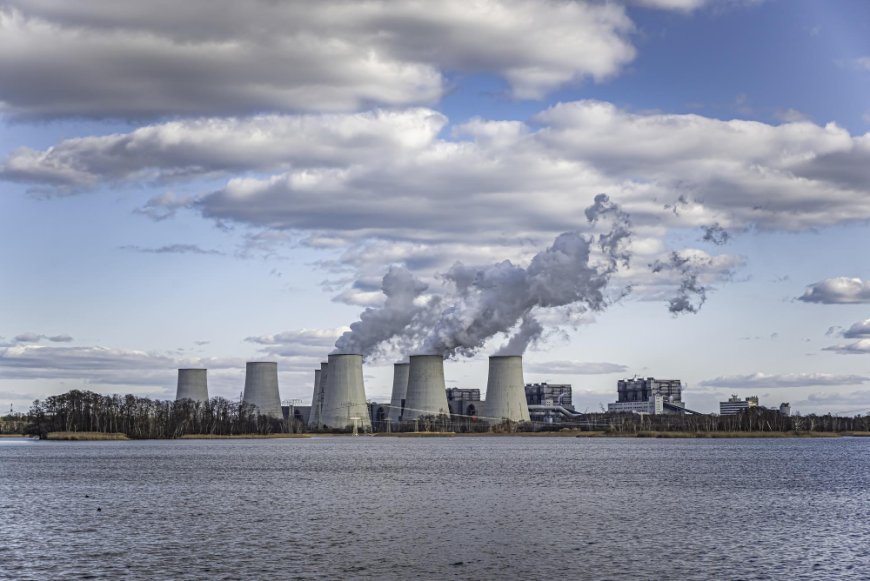
Over the past several months, nuclear energy startups have attracted substantial investor interest, raising more than $1 billion in total funding.
The surge has been fueled in part by growing electricity demand from data centres. However, recent shifts in federal nuclear safety policy could provide another boost—one that may accelerate reactor development while raising concerns about potential risks to human health and the environment.
According to a report from NPR, the Department of Energy under the Trump administration has quietly revised how it regulates the safety and security of nuclear reactors constructed on government-owned land. Roughly one-third of the department’s existing safety rules have been eliminated, while many remaining sections have undergone significant revisions.
Under the updated framework, several previously mandatory safeguards have been downgraded to nonbinding recommendations. These include rules designed to prevent groundwater pollution and limit environmental contamination. The revisions also allow nuclear workers to be exposed to higher levels of radiation than before. Responsibility for security measures at these facilities has shifted mainly from federal oversight to the private companies that operate the plants.
The changes were implemented without public notice or a formal comment period, NPR reported.
The revised rules apply only to nuclear reactors built on Department of Energy property. Facilities constructed elsewhere in the United States remain subject to oversight by the Nuclear Regulatory Commission, which maintains its own, more stringent safety requirements.
Several nuclear startups are currently planning or developing demonstration reactors on DOE-owned land. These projects are being pursued in part to meet a Trump administration target date of July 4, 2026, by which time officials hope to see new reactor technologies up and running.
Critics warn that the regulatory rollback could speed deployment at the expense of safety. At the same time, supporters argue that easing restrictions is necessary to modernise nuclear power and meet rising energy demand.
What's Your Reaction?
 Like
0
Like
0
 Dislike
0
Dislike
0
 Love
0
Love
0
 Funny
0
Funny
0
 Angry
0
Angry
0
 Sad
0
Sad
0
 Wow
0
Wow
0