






























Uber Expands Premium Robotaxi Service With Houston Launch Planned for 2027
Uber has confirmed that its premium robotaxi service will expand to Houston in mid-2027 through its partnership with Lucid and Nuro. Learn about the rollout, autonomous technology, testing, and future expansion plans.
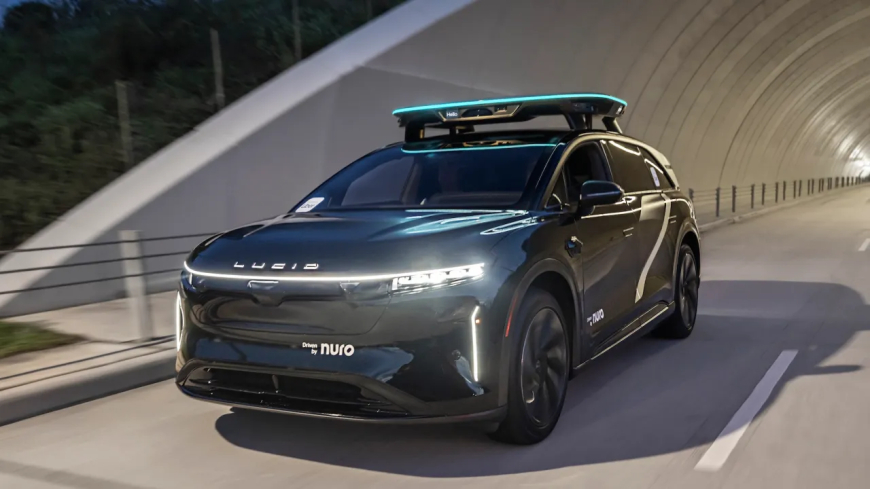
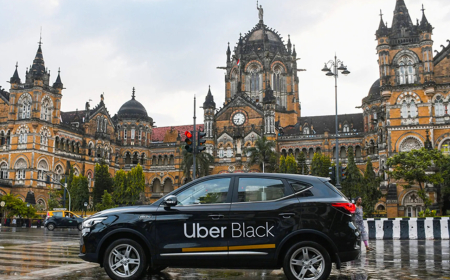
Uber has announced plans to introduce its premium robotaxi service in Houston by mid-2027, making the city the second U.S. market included in its partnership with the electric-vehicle manufacturer Lucid and the autonomous-driving company Nuro.
The announcement follows rapid progress in the San Francisco Bay Area, where the three companies are preparing to launch their first commercial robotaxi service later this year. Uber says the long-term goal is to expand the program to dozens of cities across the United States over the coming years.
For now, the company is concentrating on San Francisco and Houston, where it will compete directly with Alphabet-owned Waymo, which already operates commercial robotaxi services in both markets.
Nuro has spent several months testing Lucid Gravity SUVs equipped with its autonomous driving technology on public roads in San Francisco. The company has also begun allowing Uber employees to request rides in the test vehicles. Although Nuro recently received a California Department of Motor Vehicles permit allowing driverless testing, the vehicles continue to operate with safety drivers behind the wheel.
Testing is also underway in Houston, where Uber and Nuro’s combined fleet of approximately 100 autonomous vehicles is operating on public roads with safety operators present. In addition to real-world testing, Nuro is validating its self-driving system through closed-course testing and advanced simulation before opening the service to the public. The fleet is expected to grow in the coming months as Lucid begins producing its first commercial robotaxi vehicles at its Arizona manufacturing facility.
First revealed in January, the Lucid Gravity robotaxi is equipped with high-resolution cameras, solid-state lidar sensors, and radar systems that enable the vehicle to detect and navigate its surroundings. While Nuro provides the autonomous driving technology, Uber will own and manage the fleet while focusing on the passenger experience, including how riders interact with the vehicle throughout their journeys.
To support the upcoming launch, Uber is also expanding its infrastructure in Houston. The company has established a new 50,000-square-foot operations depot, along with a dedicated charging facility, serving as the central hub for maintaining and operating the robotaxi fleet.
The partnership has provided a significant boost to Nuro, which shifted its business strategy in 2024 from building autonomous delivery robots to licensing its self-driving technology to automotive manufacturers and commercial partners. The collaboration has also benefited Lucid, which continues working to increase sales of its electric vehicles in a highly competitive market led by Tesla.
Uber has backed both companies financially as part of the partnership. The ride-hailing company invested approximately $500 million in Nuro and has also committed to investing $500 million in Lucid while agreeing to purchase a minimum of 35,000 robotaxi-ready Lucid vehicles, reinforcing its long-term strategy to expand autonomous ride-hailing services across multiple U.S. cities.
What's Your Reaction?
 Like
0
Like
0
 Dislike
0
Dislike
0
 Love
0
Love
0
 Funny
0
Funny
0
 Angry
0
Angry
0
 Sad
0
Sad
0
 Wow
0
Wow
0