




































Using the Meta AI app? Your activity might be visible to friends
Using the Meta AI app could expose your activity to friends, raising privacy concerns and potential embarrassment.
Meta rolled out its new Muse Spark AI model on Wednesday as part of a broader overhaul of its artificial intelligence strategy. With billions already invested in past initiatives like the metaverse, the company is under pressure to ensure its latest AI push delivers meaningful results. While the financial risk may be manageable for Meta, the reputational stakes are significant.
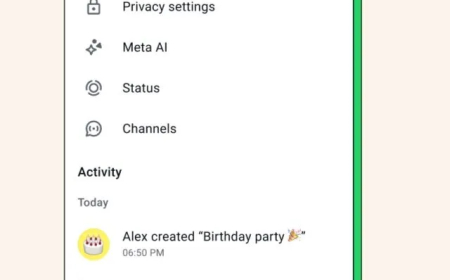
That brings attention to a different kind of concern: privacy. Some users have reported that their activity on the Meta AI app may be visible to others, including friends, family, and acquaintances, through linked platforms like Instagram.
Although Muse Spark is a recent release, the Meta AI app itself has been available since last April. Early adopters who downloaded and used the app began noticing something unexpected over time — notifications being sent to their Instagram connections indicating that they were using the Meta AI app. These alerts appear similarly to notifications about new followers, making them highly visible.
At launch, the Meta AI app saw around 6.5 million downloads within its first six weeks, according to data from Appfigures. While that number is substantial, it is relatively modest compared to Meta’s massive global user base, which includes an estimated 42% of the world’s population using at least one of its apps daily.
The notifications about app usage may have been intended to drive growth by encouraging more people to try the platform. However, for users, this level of visibility has raised concerns, especially when they did not expect their app activity to be shared in this way.
The issue ties into a broader challenge with Meta’s ecosystem: its interconnected apps. Accessing the Meta AI app requires logging in with a Meta account, which is often linked to platforms like Instagram and Facebook. This integration allows Meta to use activity across its services to personalise ads and recommendations.
As a result, interactions within the Meta AI app could potentially influence the type of ads users see elsewhere. For example, discussing a personal topic with the AI might lead to related advertisements appearing on Instagram or Facebook.
Users are not always explicitly prompted about how their data will be shared across platforms. Instead, permissions are typically covered in broader terms of service agreements, which many users accept without close review.
There have also been past concerns related to how user interactions were handled within the app. During an earlier phase, Meta experimented with a Discover feed that displayed user-generated AI interactions. Some users unintentionally shared sensitive information, including personal details and private conversations, likely without realising the visibility settings.
Although users had to publish their chats to the Discover feed manually, the number of accidental disclosures suggested potential design issues. Meta has since removed this feature, but the episode highlighted the risks associated with how people interact with AI tools — particularly when they treat them as private spaces for personal or sensitive discussions.
As the Meta AI app gains traction again — recently climbing app store rankings following updates to its chatbot — these concerns around visibility and data sharing remain relevant. While the platform continues to evolve, users may want to stay mindful of how their activity could be surfaced across Meta’s broader network.
What's Your Reaction?
 Like
0
Like
0
 Dislike
0
Dislike
0
 Love
0
Love
0
 Funny
0
Funny
0
 Angry
0
Angry
0
 Sad
0
Sad
0
 Wow
0
Wow
0