




























Amazon Bee AI Wearable Review: Impressive Features with Lingering Privacy Concerns
A detailed look at Amazon’s Bee AI wearable, exploring its smart memory-assistant features, conversation summaries, task management capabilities, usability, and the privacy concerns that come with an always-listening device.
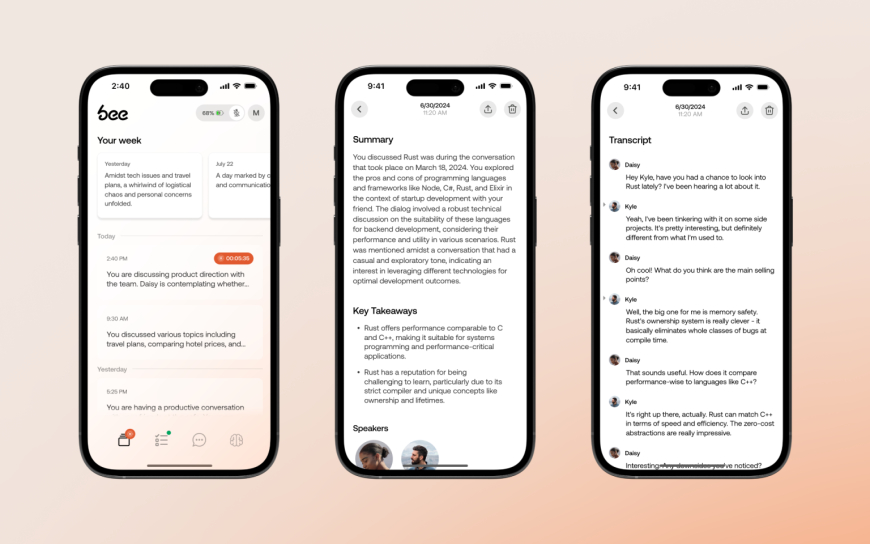
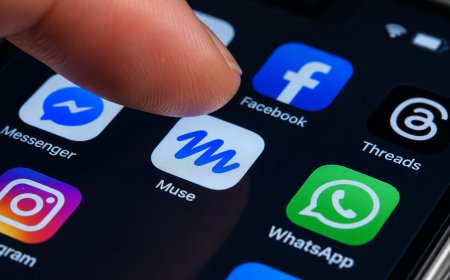
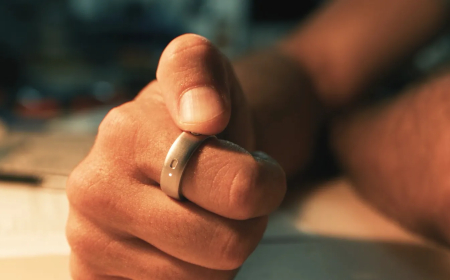
I recently had the chance to test Bee, the AI-powered wearable that Amazon acquired last year and has since updated with several new features. Designed as a personal assistant, Bee records conversations, creates transcripts, generates summaries, and helps users stay organised throughout the day.
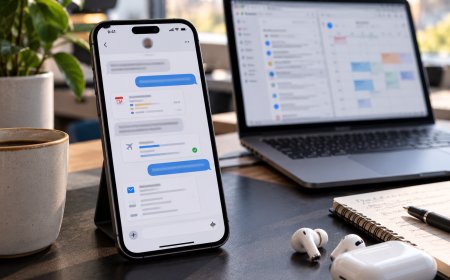
The concept is simple. After pairing the wearable with the Bee mobile app and completing setup, users can start or stop recording using a button on the device. A flashing green light indicates when recording is active. Once a conversation ends, the app automatically produces a transcript and an easy-to-read summary highlighting the key discussion points.
Bee’s usefulness becomes most apparent in professional settings. During a business phone call, the device generated a detailed breakdown of the conversation afterwards, making it easy to review important topics without replaying the entire discussion. Similar functionality is available in services like Otter and Granola, but Bee offers the convenience of a wearable that can stay active throughout the workday.
For professionals juggling multiple meetings, calls, and discussions, the device can serve as a helpful note-taking companion. Users can revisit summaries later and quickly refresh their memory on decisions, action items, or important details.
The AI generally performs well when summarising conversations, though transcript accuracy is not perfect. The device sometimes struggles to identify speakers correctly and may miss small portions of a discussion. While these omissions were not major during testing, they show that the system is not always a complete record of everything that was said.
Bee was also tested in a social setting during a movie night with friends. While watching Reservoir Dogs, the wearable remained active and later identified the evening as a discussion centred on a Quentin Tarantino film. The result demonstrated that the AI could understand context surprisingly well, rather than simply transcribing words without interpretation.
Despite its strengths, Bee’s biggest challenge remains privacy. The device is designed to collect substantial amounts of information to function effectively. Depending on the permissions granted, Bee can access:
- Location data
- Photos
- Contacts
- Calendar information
- Mobile notifications
- Health and wellness data
Users can even choose to share metrics such as sleep information and heart-rate data, allowing the AI to build a broader picture of daily habits and routines.
The collected information is stored in the cloud, which may concern privacy-focused users. While Bee has reportedly demonstrated a version capable of operating more locally on-device, Amazon has not provided any major updates regarding those plans.
Bee says it protects user information through encryption, third-party security audits, and continuous monitoring. The company states that it has implemented technical and organisational safeguards designed to protect personal data. However, as with any cloud-connected platform handling sensitive information, questions about long-term privacy and security remain.
Overall, Bee is an interesting piece of hardware that showcases the growing capabilities of AI-powered assistants. Its ability to automatically capture conversations, generate summaries, and organise information makes it particularly useful for business and productivity purposes.
However, the same features that make Bee helpful also require extensive access to personal information. For users comfortable with that tradeoff, the wearable could become a valuable daily assistant. For others who prioritise privacy, the idea of carrying a constantly listening device may feel like a step too far. As the technology matures, stronger privacy options could determine whether products like Bee become mainstream tools or remain niche productivity gadgets.
What's Your Reaction?
 Like
0
Like
0
 Dislike
0
Dislike
0
 Love
0
Love
0
 Funny
0
Funny
0
 Angry
0
Angry
0
 Sad
0
Sad
0
 Wow
0
Wow
0