


















YouTube launches ‘Ask YouTube’ conversational search and expands Gemini Omni features in Shorts
YouTube has introduced Ask YouTube, a conversational search feature powered by AI, while expanding Gemini Omni integration in Shorts to improve content discovery and creation.

Google is continuing its broader effort to integrate artificial intelligence into its products, and YouTube is the latest platform to receive significant AI-driven upgrades. As part of the company's ongoing transformation of search experiences across its ecosystem, YouTube is introducing new AI-powered tools designed to help users discover content more naturally and efficiently.
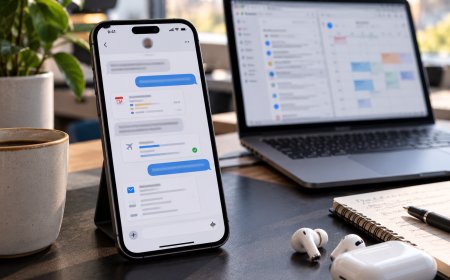
One of the most notable additions is a conversational search feature called Ask YouTube. The new tool is intended to move beyond traditional keyword-based searches by allowing users to interact with YouTube in a more natural, conversational manner. Instead of entering short search phrases into the search bar, users can ask detailed questions and receive AI-generated responses that help them find relevant content more effectively.
According to Google, Ask YouTube is designed to handle complex and nuanced search requests that would traditionally require multiple searches or extensive browsing. The company says users can ask detailed questions, such as seeking advice on teaching a child to ride a bicycle or looking for creator recommendations and reviews of relaxing games suitable for playing before bed.
"With Ask YouTube, you can ask more complex search queries, such as wanting tips on how to teach your kid to ride a bike, or finding creator reviews of cosy games to play before bedtime," the company explained. "You can even ask follow-up questions to continue refining what you're looking for."
Rather than simply displaying a list of search results, Ask YouTube uses artificial intelligence to analyse the request, gather relevant information from content across the platform, and generate a response. The feature can draw on both YouTube Shorts and traditional long-form videos, combining insights from multiple sources to help users find the information they need.
The conversational nature of the tool also allows users to ask follow-up questions without starting a new search from scratch. As the discussion continues, the AI can refine its recommendations and narrow its results based on additional context provided by the user.
Google believes this approach will make content discovery more intuitive, especially for users who may not know the exact keywords needed to locate specific videos. By understanding natural language and conversational intent, Ask YouTube aims to reduce friction in the search process and help viewers find useful content more quickly.
The feature is initially being made available to Premium subscribers in the United States who use YouTube on desktop devices. Eligible users can access Ask YouTube through YouTube's optional Premium experimental features program, which allows subscribers to test new tools before they become widely available.
Beyond search, Google also announced additional AI enhancements for content creation on YouTube. The company revealed that Gemini Omni, its latest AI-powered video generation model, is being integrated into both YouTube Shorts Remix and the YouTube Create application.
The addition of Gemini Omni is intended to provide creators with new ways to produce and modify video content while simplifying many of the technical aspects of video editing. By leveraging artificial intelligence, creators can generate content more efficiently and experiment with new storytelling techniques that may have previously required advanced editing skills.
"Remixing with Omni delivers a fresh way for users to create and build on each other's imagination," YouTube stated in a press release. "The model better understands user intent, creating more consistent and meaningful storytelling while also handling complex video and audio adjustments behind the scenes."
According to YouTube, Gemini Omni improves the remixing process by interpreting users' goals and automatically applying sophisticated video and audio modifications. This allows creators to focus more on creative ideas while the AI handles many of the technical adjustments required to produce polished content.
The integration reflects a growing trend across the technology industry as major companies compete to incorporate generative AI into consumer creative tools. However, reactions to AI-generated short-form content have been mixed.
Several technology companies, including Meta and OpenAI, have explored similar initiatives with varying degrees of success. While AI-generated video creation offers exciting possibilities for content production, some users and creators have expressed concerns about originality, authenticity, and the increasing presence of synthetic content on social platforms.
OpenAI, for example, eventually discontinued its social application Sora, which had allowed users to publish and share AI-generated video clips. The mixed response to such products highlights the challenges companies face when introducing AI-generated content experiences to mainstream audiences.
YouTube appears to be taking a somewhat different approach. Rather than placing AI-generated content at the centre of the platform experience, the company is introducing these capabilities as optional creative tools that can enhance existing workflows for creators who choose to use them.
In addition to creative AI features, YouTube is expanding its efforts to address concerns about AI misuse and digital identity protection. The company announced a broader rollout of its likeness-detection technology, a tool designed to help creators identify and respond to unauthorised uses of their appearance in AI-generated content.
The expanded program will now be available to creators aged 18 or older. The technology is intended to detect situations in which an individual's likeness may have been replicated or manipulated through artificial intelligence without their permission.
As deepfake technology becomes increasingly sophisticated, concerns have grown regarding the unauthorised use of public figures' images, voices, and appearances. AI-generated videos can sometimes produce misleading or entirely fabricated content that appears authentic, posing challenges for creators, public figures, and audiences alike.
YouTube says the likeness-detection system is designed to provide creators with additional protection against these risks. If a creator discovers that their image or identity has been misrepresented within AI-generated content published by another user, they can request that the offending material be removed from the platform.
The company views the tool as part of a broader effort to balance innovation in AI-powered creativity with safeguards that help protect individuals from misuse of generative technologies.
Because the feature is only now being expanded to a wider audience, its real-world effectiveness remains uncertain. It will likely take time for creators and industry observers to fully evaluate how accurately the system identifies unauthorised content and how effectively YouTube responds to removal requests.
Together, the introduction of Ask YouTube, the integration of Gemini Omni into Shorts and YouTube Create, and the expansion of likeness-detection protections demonstrate Google's continued investment in bringing artificial intelligence deeper into the YouTube ecosystem. As AI becomes increasingly central to search, content creation, and platform safety, YouTube is positioning itself to offer both enhanced discovery experiences for viewers and more advanced creative tools for creators, while also attempting to address emerging challenges associated with generative AI.
What's Your Reaction?
 Like
0
Like
0
 Dislike
0
Dislike
0
 Love
0
Love
0
 Funny
0
Funny
0
 Angry
0
Angry
0
 Sad
0
Sad
0
 Wow
0
Wow
0