




































Waymo Issues Recall for Nearly 4,000 Robotaxis Over Highway Construction Zone Safety Risk
Waymo has recalled nearly 4,000 robotaxis after a software issue allowed some autonomous vehicles to enter highway construction zones. Learn what caused the recall, which vehicles are affected, and how the company plans to fix the problem.
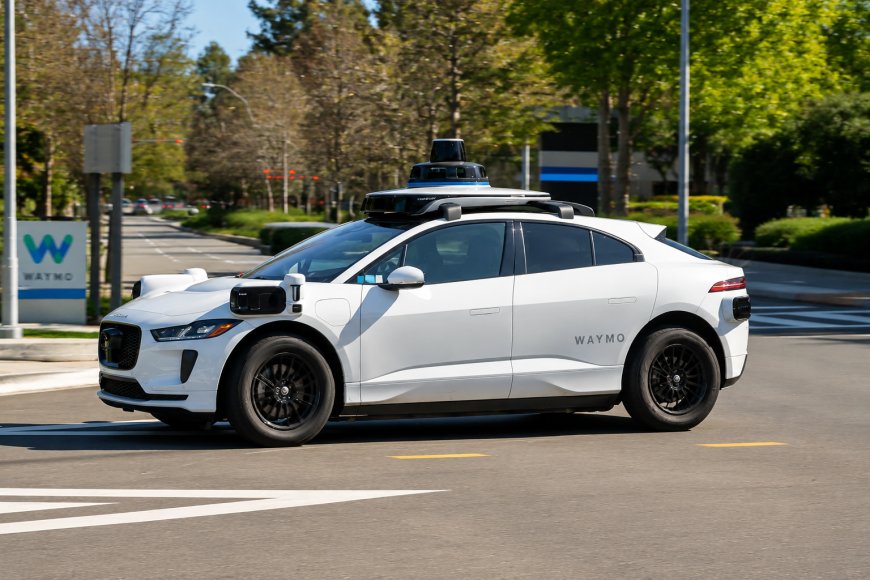
Waymo has issued a voluntary recall affecting nearly 4,000 robotaxis to prevent its autonomous vehicles from entering highway construction zones while engineers develop improvements to the driving software.
The recall follows the company’s identification of at least 13 incidents in which Waymo robotaxis entered freeway sections that had been closed for construction. Six of the events occurred in Phoenix, Arizona, during April, while another seven took place in San Francisco, California, throughout May.
According to filings submitted to the National Highway Traffic Safety Administration (NHTSA), Waymo suspended highway operations for its robotaxi fleet on May 19. The company said a software update addressing the issue is currently under development. While freeway service has been paused, Waymo vehicles continue to operate on city streets, although service has occasionally been suspended during severe weather that could cause flooding.
“We identified an area of improvement regarding performance around freeway construction zones,” Waymo said in a statement. “We voluntarily restricted freeway operations while implementing improvements, informed both state and federal regulators, and submitted a voluntary software recall to the NHTSA.”
This marks the sixth software recall issued by Waymo for its autonomous fleet. Earlier this year, the company recalled robotaxis after vehicles entered flooded roads, while another recall in December addressed driving behaviour around stopped school buses. Previous recalls have also covered low-speed collisions involving chains, gates, and utility poles, as well as issues related to interactions with tow trucks.
Waymo’s autonomous driving technology also remains under investigation by both the NHTSA and the National Transportation Safety Board following a January incident in which one of its robotaxis struck a child near a school while operating around a school bus.
Alphabet-owned Waymo says its autonomous fleet has now completed more than 170 million driverless miles and claims its vehicles have recorded a 13-fold lower rate of serious-injury or fatal crashes compared with human drivers.
The company is also rapidly expanding its commercial robotaxi service, with plans to launch operations in more than 20 additional cities this year, including London and Tokyo. That expansion has exposed several challenging driving scenarios, with highway construction zones now joining the growing list of edge cases requiring software improvements.
Waymo introduced freeway rides in November 2025. Documents filed with the NHTSA state that, during incidents in Phoenix in mid-April, the vehicles failed to recognise freeway ramp closure signs and continued into planned construction areas. Following an internal safety review, the company’s Field Safety Committee restricted highway driving in Phoenix while engineers investigated the issue.
A second series of incidents occurred on May 18, when seven Waymo robotaxis entered active construction lanes in the San Francisco Bay Area. According to Waymo, the software prioritised avoiding other roadway hazards and, in some cases, failed to identify construction zones properly. Highway operations were suspended the following day, and the company’s safety committee approved the recall on June 8.
Several of the incidents were captured on video and circulated across social media. On May 19, X user @Elliot_slade shared footage claiming a Waymo vehicle drove through traffic cones before being followed by police.
“There were construction signs. There were flashing lights. Police were ahead, and the vehicle sped up,” Slade later told CBS News. “I looked at my fiancée and honestly thought we weren’t going to make it.”
According to CBS, Waymo later offered Slade three complimentary rides, each worth up to $40, as a goodwill gesture.
What's Your Reaction?
 Like
0
Like
0
 Dislike
0
Dislike
0
 Love
0
Love
0
 Funny
0
Funny
0
 Angry
0
Angry
0
 Sad
0
Sad
0
 Wow
0
Wow
0