













Why AI-Generated Menus Look Too Perfect and Unsettling
AI-generated restaurant menus often look unnatural because models produce overly polished images shaped by repeated patterns in training data.
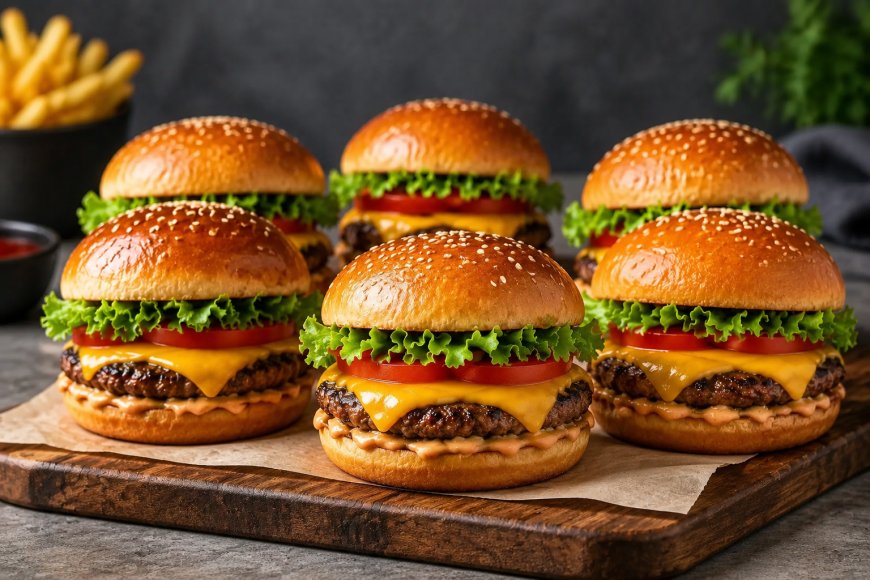
AI-generated menus are becoming more common in restaurants, but many of the images created by these systems share a noticeable problem: they often look too perfect. Food illustrations generated by AI can appear overly symmetrical, polished, and artificial, creating an unsettling feeling that is difficult to describe.
The issue comes from how generative AI models learn. Image generators are trained on massive collections of existing content and identify patterns that help them create new images. When asked to design a restaurant menu, these systems often reproduce familiar styles from advertisements, restaurant websites, and existing food photography.
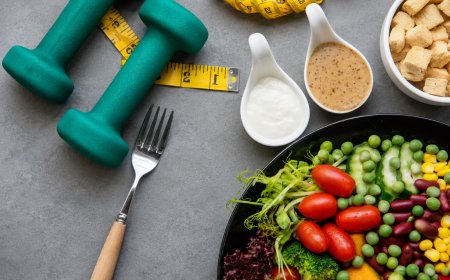
AI-generated food examples shared online have sparked discussions about their artificial look, with users highlighting how such dishes can appear visually convincing yet still feel unnatural. One example of AI-generated food imagery, along with other discussions of AI-created visuals, shows how noticeable these patterns have become.
Why AI-generated images become repetitive
Experts say AI models tend to optimise for outputs that appear attractive and familiar. Because training data often contains polished commercial images, AI systems can reproduce the same visual style repeatedly, creating food that looks flawless but lacks natural variation.
Alex Lisle, CTO of Reality Defender, compared the effect to an AI system creating food without fully understanding the details that make it realistic. The result can include perfectly shaped ingredients, unnatural textures, or designs that feel slightly disconnected from real-world objects.
The problem can become more complicated when AI-generated content is reused as training material. Researchers have warned that too much synthetic data in training sets could contribute to issues such as model collapse, in which repeated exposure to AI-generated outputs reduces future model performance.
The uncanny valley effect in AI food images
AI-generated food can also trigger an “uncanny valley” response, where something looks almost real but still feels wrong. Research from the University of Duisburg-Essen examined this reaction and found that AI-generated food images that closely resembled reality could elicit stronger negative responses than images that were obviously fake. The study explored how people perceive AI-generated food images.
Repeated editing can make the problem even more noticeable. One experiment showed how repeatedly modifying an AI-generated menu caused food images to become increasingly smooth and less realistic.
Similar reactions have appeared in other online discussions about AI-generated restaurant materials and digital content. Users have shared examples of AI-generated designs, while other posts have highlighted concerns about AI-created visual content.
The issue goes beyond restaurant menus. As AI-generated images become more common, distinguishing real content from synthetic creations is becoming increasingly challenging. Researchers and technology observers have also discussed broader concerns around AI-generated media.
What's Your Reaction?
 Like
0
Like
0
 Dislike
0
Dislike
0
 Love
0
Love
0
 Funny
0
Funny
0
 Angry
0
Angry
0
 Sad
0
Sad
0
 Wow
0
Wow
0