




























Arinna secures $4M seed funding to tackle space power challenges
Arinna raises $4M in seed funding to develop advanced power solutions for space, aiming to improve energy efficiency and satellite performance.
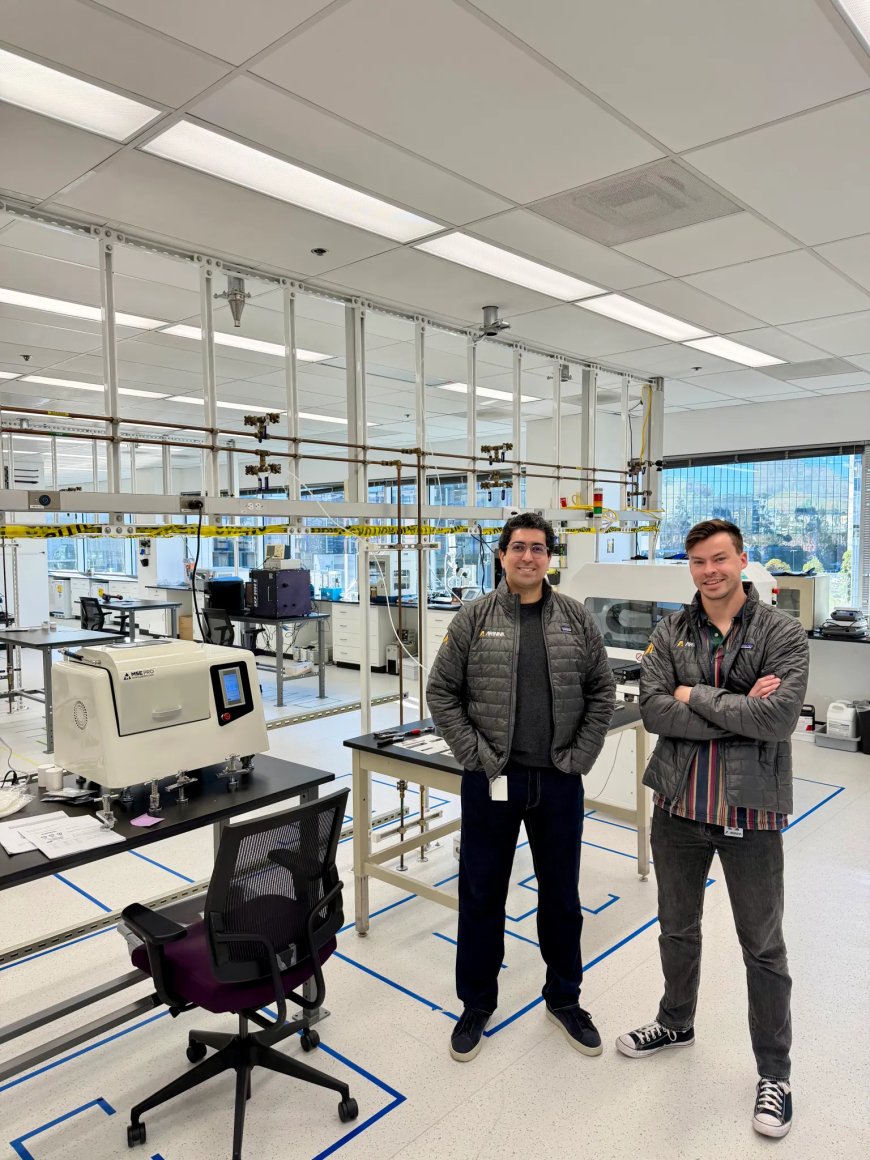
The growing ambitions of governments and private players in space exploration are driving demand for more efficient and reliable energy solutions, and a new startup founded by two Stanford PhDs aims to meet that need.
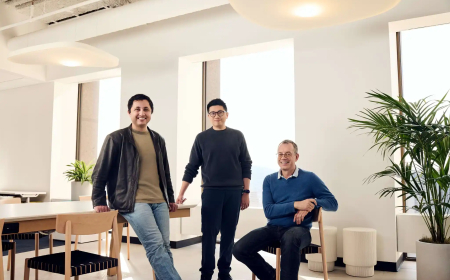
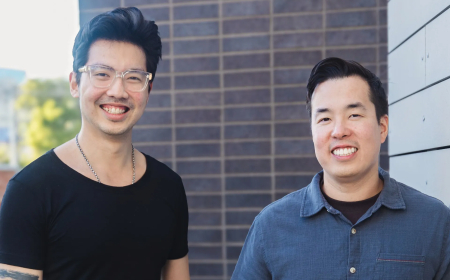
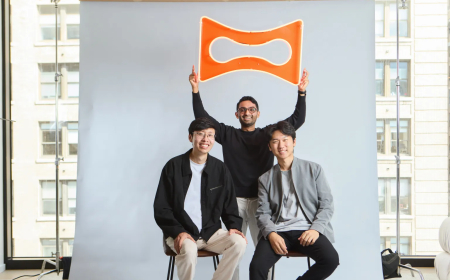
Arinna, founded by CEO Koosha Nazif and CTO Alex Shearer, announced on Wednesday that it has raised $4 million in seed funding. The company is focused on developing ultrathin solar panels based on a new material created during the founders’ doctoral research.
The funding round was led by Spacecadet Ventures, with participation from Anorak Ventures and Breakthrough Energy Foundation. The company did not disclose its valuation.
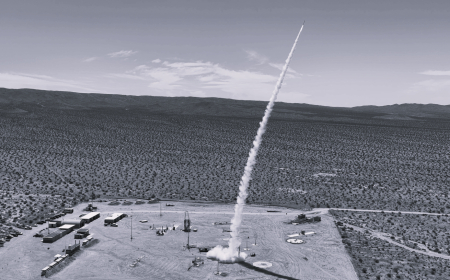
Arinna, whose name is inspired by the Hittite sun deity and pronounced similarly to “arena,” plans to test its first products in orbit before the end of the year. After successfully qualifying its photovoltaic technology in space, the company aims to establish a manufacturing facility capable of producing its solar panels at a megawatt scale by 2028.
According to Shearer, the company is currently building qualification panels that will be delivered to early customers. These panels are designed to demonstrate that Arinna’s two-dimensional photovoltaic technology can achieve both high efficiency and the durability required for space environments. Over the coming year, the company intends to scale up testing and refine its production methods to enable roll-to-roll manufacturing of its solar layers.
Arinna’s technology is specifically designed for spacecraft applications. Historically, satellites relied on expensive solar panels made from rare-earth materials, which offered durability but came with high costs. As the industry has shifted toward mass-produced satellites — particularly in the era influenced by SpaceX — many manufacturers have turned to more affordable silicon-based panels. However, these tend to degrade more quickly under exposure to cosmic radiation.
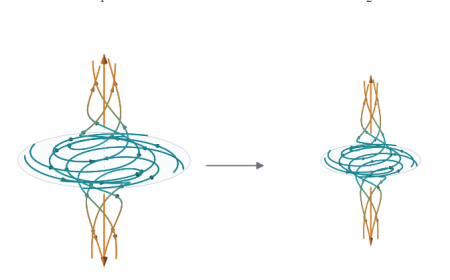
To address this limitation, Arinna is using a new class of materials known as transition metal dichalcogenides (TMDs), which are atomically thin semiconductors developed relatively recently. These materials enable the creation of flexible solar cells that the company claims are both more cost-effective and more resilient than traditional space-grade panels.
Ben Gaddy, a materials scientist and senior director at Breakthrough Energy, noted that while most solar advancements focus on incremental improvements to existing technologies, Arinna’s approach represents a fundamentally different category of materials.
Nazif and Shearer first met at Stanford University during their doctoral studies. Nazif focused on advanced materials capable of supporting high-performance photovoltaic systems, while Shearer worked on methods to scale the production of such technologies. Together, their combined expertise has shaped the foundation of Arinna’s approach.
The company expects its solar panels to deliver significantly improved performance, including greater flexibility and approximately 32% higher efficiency compared to conventional alternatives. Additionally, the panels are designed to operate without protective coverings, maintain functionality for up to 15 years in orbit, and be delivered within a much shorter timeframe.
If these claims hold through testing, Arinna’s technology could represent a major advancement in space-based energy systems. However, its success will depend on the outcome of its upcoming orbital tests and its ability to execute large-scale manufacturing plans.
Wiz Khuzai, a general partner at Spacecadet Ventures, emphasised that power constraints remain a key challenge for many space companies. He suggested that Arinna’s technology could help unlock new possibilities by addressing this critical bottleneck.
What's Your Reaction?
 Like
0
Like
0
 Dislike
0
Dislike
0
 Love
0
Love
0
 Funny
0
Funny
0
 Angry
0
Angry
0
 Sad
0
Sad
0
 Wow
0
Wow
0