Ascend Elements announced on Friday that it has filed for Chapter 11 bankruptcy protection in the United States, marking a significant setback for investors who had collectively poured close to $900 million into the business.
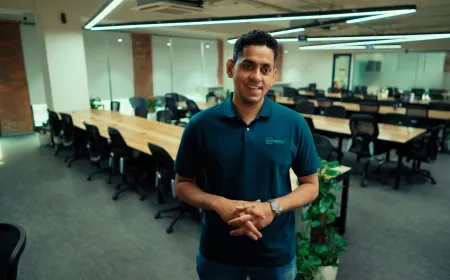
Linh Austin, the company’s CEO, shared the update in a LinkedIn post late Thursday night, stating that Ascend had encountered financial obstacles that proved “insurmountable.”
The bankruptcy filing comes at a time when the U.S. electric vehicle market is experiencing slower growth. The situation appears to have been further affected by the Trump administration’s decision to withdraw a $316 million grant allocated to a facility under construction in Kentucky. Of that total, $204 million had already been distributed, leaving the company needing to secure additional funding to bridge the remaining gap.
The EV market in the United States has recently faced turbulence. While sales saw a temporary spike ahead of the expiration of federal tax credits in September last year, demand has not fully rebounded since. Analysts have suggested that many consumers who would have purchased vehicles later instead accelerated their buying decisions to take advantage of those incentives, creating a temporary surge rather than sustained growth.
Following this shift, several automakers have adjusted their EV strategies. For instance, Volkswagen recently confirmed it would halt production of the ID.4 electric vehicle at its Chattanooga, Tennessee, plant and refocus on the gasoline-powered Atlas model.
Ascend Elements has been developing technology to recover valuable critical minerals from discarded and end-of-life batteries. The company claims its process reduces the number of steps required to convert shredded battery material into precursor components for new cathodes.
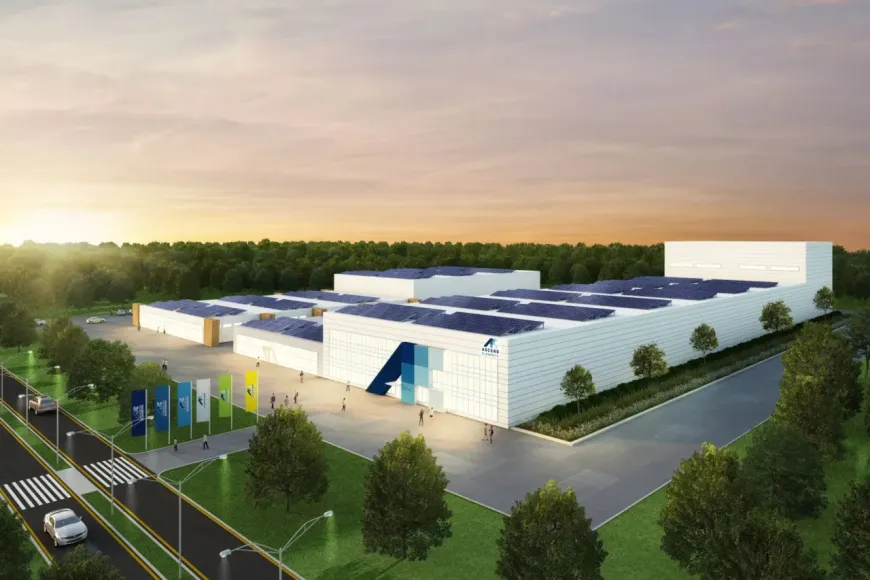
As part of its expansion efforts, Ascend had been constructing a 1 million-square-foot facility in Kentucky. However, according to local reports, the project has faced multiple setbacks, including legal disputes and construction delays.
Like many companies operating in the battery recycling space, Ascend entered a highly competitive and evolving market. Demand for battery materials is largely tied to EV production, where automakers operate on long development cycles and frequently adjust technical requirements. At the same time, manufacturers in China — supported by consistent government backing — have maintained a strong market presence while driving down costs.
Other startups in the sector have taken different approaches to navigate these challenges. For example, Redwood Materials has shifted part of its focus toward repurposing used battery packs. The company has developed systems that integrate multiple battery types into large-scale energy storage solutions capable of powering data centres. With the rapid growth of the stationary energy storage market, this strategy has enabled Redwood to generate near-term revenue while continuing to invest in its recycling operations.